For decades, dietary fat has been vilified in the world of weight loss, leading to a proliferation of low-fat and fat-free products. However, a growing body of scientific evidence reveals a more nuanced truth: not all fats are created equal. In fact, incorporating the right kinds of fats into your diet is not only beneficial for overall health but can also be a powerful ally in achieving and maintaining a healthy weight. This article explores the science-backed benefits of healthy fats, provides practical guidance on incorporating them into your meals, and offers delicious recipe ideas to help you embrace fat as a friend, not a foe, in your weight loss journey.
Understanding the Different Types of Dietary Fats
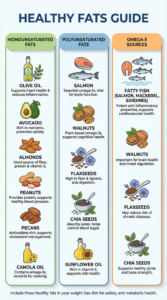
Dietary fats can be broadly categorized into two main groups: unsaturated and saturated fats. The distinction lies in their chemical structure, which in turn affects how they function in the body.
Unsaturated Fats: The “Healthy” Fats
Unsaturated fats, which are typically liquid at room temperature, are considered beneficial because they can improve blood cholesterol levels, ease inflammation, and stabilize heart rhythms . They are predominantly found in plant-based foods and are further divided into two types:
•Monounsaturated Fats: Found in high concentrations in olive oil, canola oil, peanut oil, avocados, and most nuts, as well as high-oleic safflower and sunflower oils.
•Polyunsaturated Fats: This category includes the essential omega-3 and omega-6 fatty acids, which the body cannot produce on its own. Excellent sources include fatty fish like salmon, mackerel, and sardines, as well as flaxseeds, walnuts, and canola oil.
Saturated and Trans Fats: The Fats to Limit
Saturated fats are typically solid at room temperature and are found primarily in animal products like red meat, poultry with skin, and full-fat dairy products. While not all saturated fats are inherently “bad,” the Dietary Guidelines for Americans recommend limiting their intake to less than 10% of daily calories . Trans fats, on the other hand, are the most detrimental to health, as they raise “bad” LDL cholesterol while lowering “good” HDL cholesterol. While small amounts occur naturally, most trans fats are artificially created through a process called hydrogenation and should be avoided entirely.
The Benefits of Healthy Fats for Weight Loss
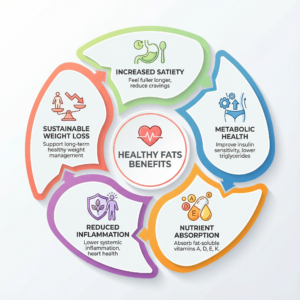
The idea that eating fat can help you lose weight may seem counterintuitive, but the scientific evidence supporting this claim is compelling. Here’s how healthy fats can aid in your weight loss efforts:
1. Enhanced Satiety and Appetite Control
One of the most significant benefits of healthy fats is their ability to promote satiety, or a feeling of fullness. Fats are digested more slowly than carbohydrates, which helps to stabilize blood sugar levels and prevent the sharp spikes and crashes that can lead to cravings and overeating. A study published in Nutrition Journal found that participants who added half an avocado to their lunch reported a significant decrease in the desire to eat over a five-hour period . By keeping you fuller for longer, healthy fats can help you consume fewer calories overall without feeling deprived.
2. Improved Metabolic Health
Incorporating healthy fats into your diet can have a positive impact on your metabolic health. Research has shown that diets rich in monounsaturated and polyunsaturated fats can help improve insulin sensitivity, which is crucial for weight management and reducing the risk of type 2 diabetes . Furthermore, replacing saturated fats with unsaturated fats has been shown to lower triglyceride levels and improve the ratio of total cholesterol to HDL cholesterol, both of which are important markers of cardiovascular health.
3. Increased Nutrient Absorption
Certain vitamins, including vitamins A, D, E, and K, are fat-soluble, meaning they require fat to be absorbed by the body. By including healthy fats in your meals, you enhance your body’s ability to absorb these essential nutrients, which play a vital role in everything from immune function to bone health. A well-nourished body is better equipped to function optimally, which can indirectly support your weight loss efforts.
4. Reduced Inflammation and Improved Heart Health
Chronic inflammation is increasingly recognized as a contributing factor to weight gain and metabolic dysfunction. Polyunsaturated fats, particularly omega-3 fatty acids found in fatty fish and flaxseeds, have potent anti-inflammatory properties that can help reduce systemic inflammation . Additionally, research has consistently shown that diets rich in healthy unsaturated fats can lower blood pressure, improve cholesterol ratios, and reduce the risk of cardiovascular disease.
Practical Tips for Incorporating Healthy Fats into Your Diet
Adding more healthy fats to your diet doesn’t have to be complicated. Here are some practical tips to get you started:
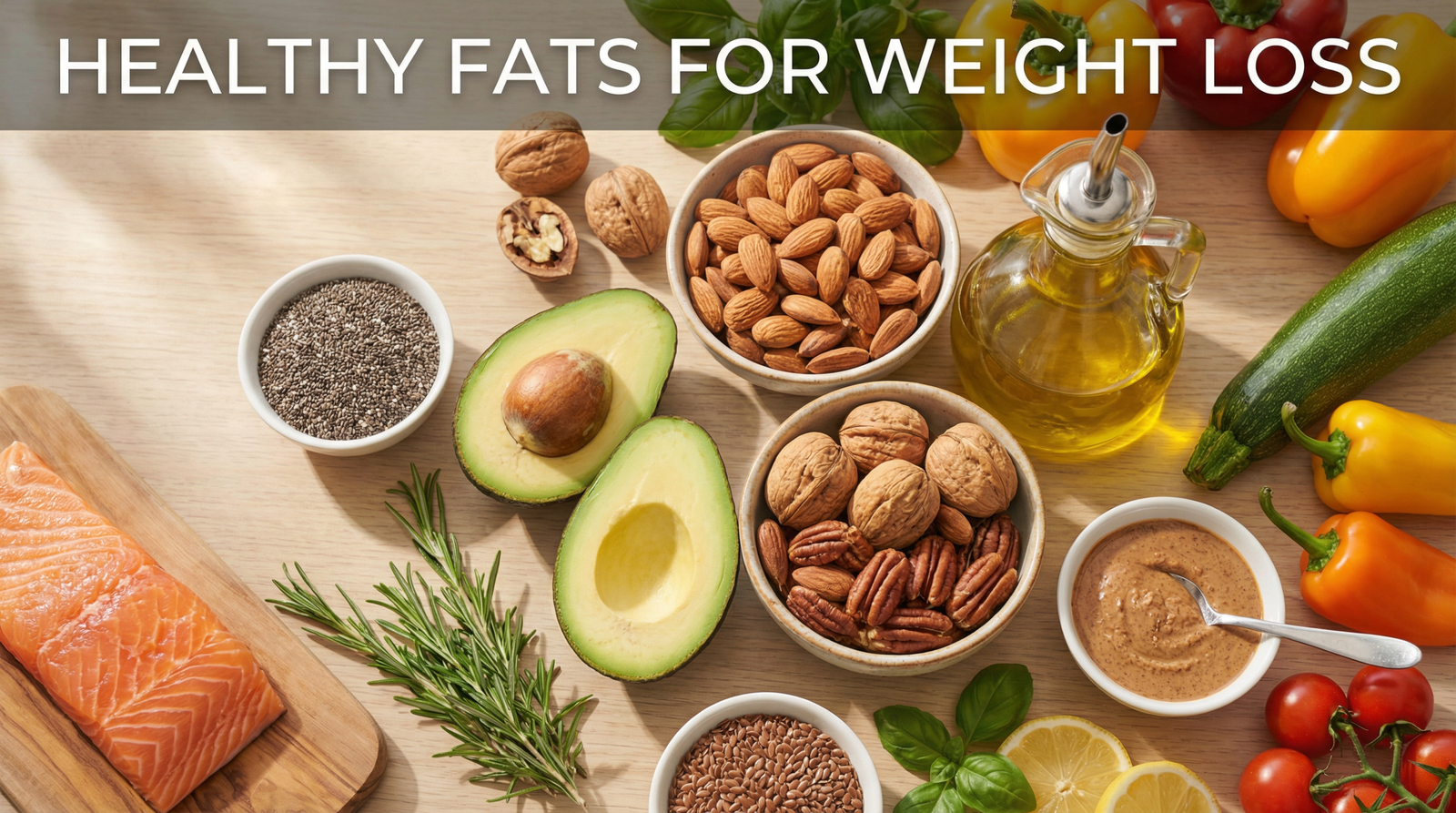
Cook with Healthy Oils: Swap butter and other solid fats for olive oil or avocado oil when sautéing vegetables or making salad dressings. Extra virgin olive oil is particularly rich in polyphenols, powerful antioxidants that provide additional health benefits. Snack on Nuts and Seeds: A small handful of almonds, walnuts, or pumpkin seeds can be a satisfying and nutrient-dense snack. These provide not only healthy fats but also fiber, protein, and essential minerals. Add Avocado to Your Meals: Slice it onto toast, add it to salads, or blend it into smoothies for a creamy texture and a boost of healthy fats. Avocados contain nearly 20 vitamins and minerals, including potassium. Incorporate Fatty Fish: Aim to eat at least two servings of fatty fish like salmon or mackerel per week. These fish are excellent sources of omega-3 fatty acids. Sprinkle Seeds on Your Dishes: Add a tablespoon of ground flaxseeds or chia seeds to your oatmeal, yogurt, or salads. These seeds are particularly rich in omega-3 fatty acids and soluble fiber.
Healthy Fat-Focused Recipe Ideas
Here are a few simple and delicious recipes to help you incorporate more healthy fats into your diet:
1. Avocado and Egg Toast
•Ingredients: 1 slice of whole-grain bread, toasted; 1/2 avocado, mashed; 1 egg, cooked to your liking; salt, pepper, and red pepper flakes to taste.
•Instructions: Spread the mashed avocado on the toast, top with the cooked egg, and season with salt, pepper, and red pepper flakes.
2. Salmon with Roasted Vegetables
•Ingredients: 1 salmon fillet; 1 cup of chopped vegetables (broccoli, bell peppers, zucchini); 1 tablespoon of olive oil; salt, pepper, and your favorite herbs.
•Instructions: Toss the vegetables with olive oil, salt, and pepper, and spread them on a baking sheet. Place the salmon fillet on top, season, and bake at 400°F (200°C) for 15-20 minutes, or until the salmon is cooked through.
3. Berry and Nut Smoothie
•Ingredients: 1 cup of mixed berries (fresh or frozen); 1/2 cup of unsweetened almond milk; 1/4 avocado; 1 tablespoon of almond butter; 1 tablespoon of chia seeds.
•Instructions: Combine all ingredients in a blender and blend until smooth.
Understanding Portion Control with Healthy Fats
While healthy fats are beneficial, it is important to remember that all fats contain 9 calories per gram, compared to 4 calories per gram for protein and carbohydrates. This means that even healthy fats can contribute significantly to your daily calorie intake if consumed in excess. The key is to focus on including healthy fats as part of a balanced diet while maintaining overall calorie awareness. A practical approach is to think of healthy fats as a component of your meals rather than the entire meal. For example, adding a quarter of an avocado to a salad provides satiety-enhancing benefits without excessive calories, whereas eating an entire avocado as a snack could easily exceed your daily fat targets. By being mindful of portions while enjoying the benefits of healthy fats, you can create a sustainable eating pattern that supports your weight loss goals.
Conclusion
The narrative around dietary fat and weight loss is shifting. Rather than fearing fat, a more effective and sustainable approach is to embrace the right kinds of fats. By incorporating healthy monounsaturated and polyunsaturated fats from sources like avocados, nuts, seeds, and olive oil, you can enhance satiety, improve metabolic health, and support your overall well-being. A balanced diet that includes these nutrient-dense foods, combined with regular physical activity, is the cornerstone of a successful and sustainable weight loss journey.
References