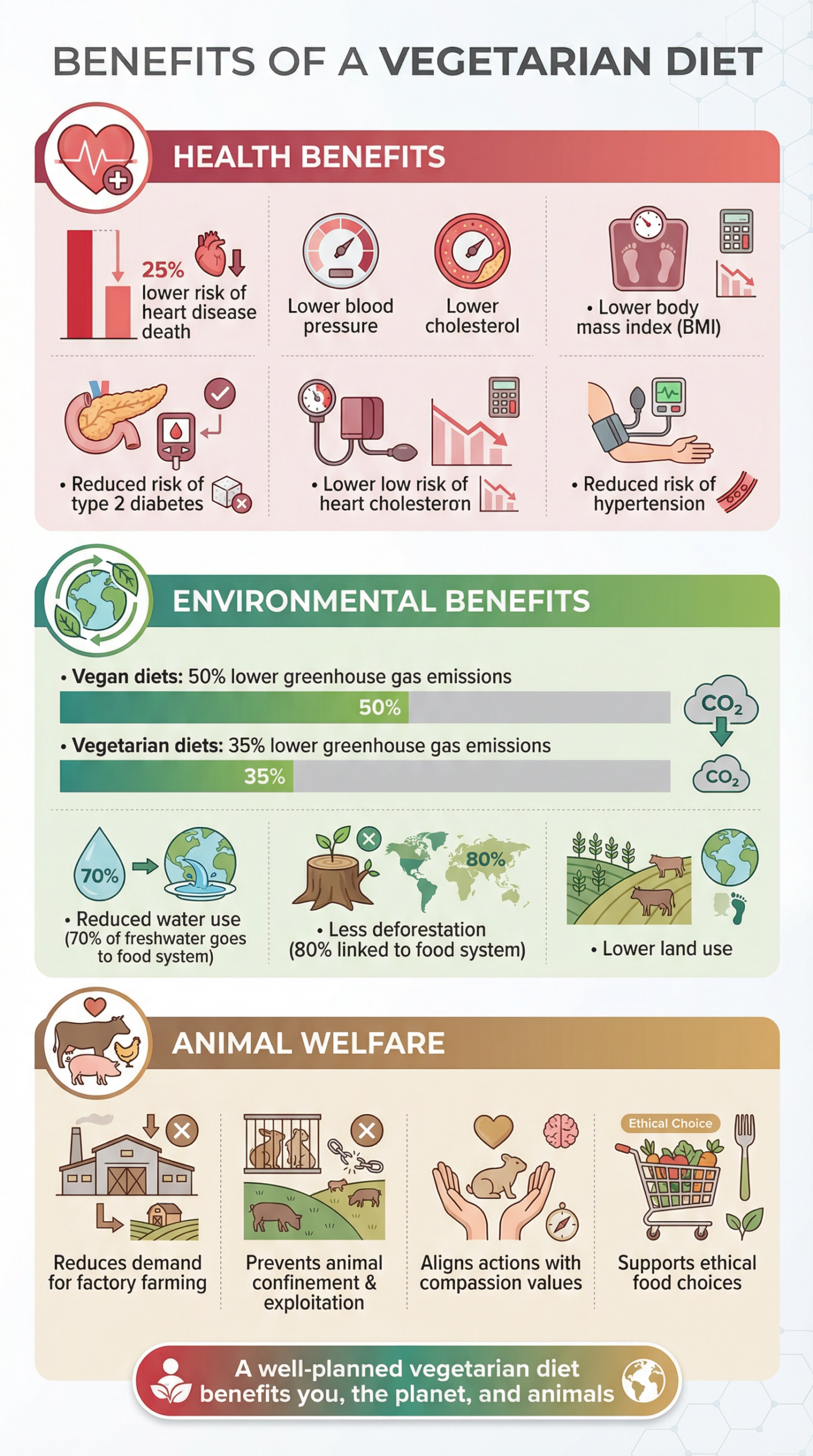
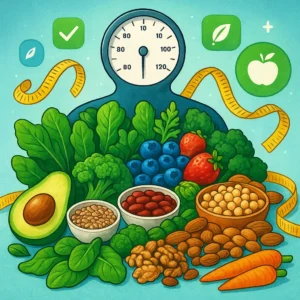
The triple benefits of a vegetarian diet: Health (25% lower risk of heart disease death, reduced diabetes and hypertension), Environment (vegan diets cut greenhouse gas emissions by 50%, vegetarian by 35%), and Animal Welfare (reduces factory farming demand and animal exploitation). A well-planned vegetarian diet benefits you, the planet, and animals.
The Benefits of a Vegetarian Diet: A Guide to Health, Environmental, and Ethical Advantages
The triple benefits of a vegetarian diet: Health (25% lower risk of heart disease death, reduced diabetes and hypertension), Environment (vegan diets cut greenhouse gas emissions by 50%, vegetarian by 35%), and Animal Welfare (reduces factory farming demand and animal exploitation). A well-planned vegetarian diet benefits you, the planet, and animals.
A vegetarian diet has become increasingly popular for its wide-ranging benefits, from improving personal health to promoting environmental sustainability and animal welfare. This article provides a comprehensive overview of what a vegetarian diet entails, the evidence-based benefits of adopting one, and practical tips for making a successful transition.
What a Vegetarian Diet Is (and What It Isn’t)
A vegetarian diet is fundamentally one that excludes meat, poultry, and seafood. However, there are several variations, each with different restrictions. According to Harvard Health, these can be broadly categorized as follows :
•Lacto-ovo vegetarians: Do not eat meat, poultry, or fish, but do consume eggs and dairy products.
•Lacto-vegetarians: Exclude meat, poultry, fish, and eggs, but include dairy products.
•Ovo-vegetarians: Do not eat meat, poultry, fish, or dairy, but do eat eggs.
•Vegans (total vegetarians): Avoid all animal products, including meat, poultry, fish, eggs, dairy, and other animal-derived substances like gelatin and honey.
•Partial vegetarians: Avoid meat but may eat fish (pescatarian) or poultry (pollo-vegetarian).
It is important to note that a vegetarian diet is not automatically a healthy one. A diet consisting of refined grains, sugary drinks, and processed foods can be vegetarian but will not provide the health benefits associated with a well-planned, whole-food-based vegetarian diet. The American Dietetic Association emphasizes that “appropriately planned vegetarian diets…are healthful, nutritionally adequate, and may provide health benefits in the prevention and treatment of certain diseases” .
Why It Matters: The Benefits of a Vegetarian Diet
The triple benefits of a vegetarian diet: Health (25% lower risk of heart disease death, reduced diabetes and hypertension), Environment (vegan diets cut greenhouse gas emissions by 50%, vegetarian by 35%), and Animal Welfare (reduces factory farming demand and animal exploitation). A well-planned vegetarian diet benefits you, the planet, and animals.
The reasons for adopting a vegetarian diet are multifaceted, often encompassing health, environmental, and ethical considerations. Research has increasingly validated the positive impacts of plant-based eating across these domains.
Health Benefits
Prospective studies and randomized clinical trials have consistently shown that vegetarian diets are associated with a reduced risk for many chronic illnesses. According to a 2023 review in the European Heart Journal, vegetarian diets are linked to a reduced risk of developing cardiovascular disease (CVD), type 2 diabetes, hypertension, and dementia .
Compared to meat-eaters, vegetarians tend to consume less saturated fat and cholesterol, and more dietary fiber, vitamins C and E, folic acid, potassium, magnesium, and phytochemicals . These nutritional advantages contribute to better health outcomes, including lower total and LDL (“bad”) cholesterol, lower blood pressure, and a lower body mass index (BMI) .
Environmental Benefits
The modern food system is a major contributor to environmental degradation, accounting for 20-30% of total anthropogenic greenhouse gas (GHG) emissions, 70% of all freshwater use, and 80% of the world’s deforestation . Animal agriculture is a significant driver of these impacts.
A shift towards a vegetarian diet can substantially reduce one’s environmental footprint. Research published in Advances in Nutrition found that vegan and ovo-lacto-vegetarian diets produce approximately 50% and 35% lower GHG emissions, respectively, than most omnivore diets .
Animal Welfare
Ethical considerations are a primary motivator for many who adopt a vegetarian diet. The ethical foundation of vegetarianism and veganism is often based on the principle of non-harm and the belief that all sentient beings have intrinsic worth and should be treated with respect and compassion .
Concerns about modern factory farming practices, which can involve the confinement and abuse of animals, lead many to choose a vegetarian lifestyle as a way to align their actions with their values and to protest the exploitation of animals for human consumption .
Key Concepts Readers Must Understand
To fully appreciate the benefits of a vegetarian diet, it is helpful to understand a few key concepts:
•Nutrient Density: This refers to the amount of nutrients you get for the number of calories you consume. A well-planned vegetarian diet is typically high in nutrient density, as it is rich in fruits, vegetables, whole grains, and legumes.
•Phytochemicals: These are compounds produced by plants that have protective or disease-preventive properties. Vegetarians tend to have a higher intake of phytochemicals like carotenoids and flavonoids, which contribute to the health benefits of a plant-based diet .
•Sustainable Diet: The Food and Agriculture Organization (FAO) defines a sustainable diet as one with a low environmental impact that contributes to food and nutrition security and a healthy life for present and future generations. Vegetarian diets are often cited as a key example of a sustainable diet .
Step-by-Step: How to Transition to a Vegetarian Diet
Transitioning to a vegetarian diet can be a gradual process. Here are some practical steps to help you get started:
1.Start with Small Changes: You don’t have to go fully vegetarian overnight. Harvard Health suggests simple substitutions, such as using plant-based protein sources like beans or tofu in place of meat a couple of times a week .
2.Gradually Reduce Meat Intake: Slowly decrease the amount of meat in your diet while simultaneously increasing your consumption of fruits, vegetables, and whole grains.
3.Explore New Recipes: Experiment with vegetarian recipes from different cuisines. This can make the transition more exciting and help you discover new favorite dishes.
4.Plan Your Meals: To ensure you are getting all the necessary nutrients, it is important to plan your meals. Focus on including a variety of protein sources, such as legumes, nuts, seeds, and whole grains.
Common Pitfalls and How to Avoid Them
•The “Junk Food” Vegetarian: Avoid falling into the trap of eating a diet high in processed vegetarian foods. Focus on whole, unprocessed foods to reap the health benefits.
•Nutrient Deficiencies: Pay special attention to nutrients that are less abundant in plant-based diets, such as vitamin B12, iron, calcium, and omega-3 fatty acids. You may need to take supplements or eat fortified foods.
•Not Eating Enough Protein: Ensure you are getting enough protein by including a variety of plant-based protein sources in your diet.
Options / Approaches (Compare Tradeoffs)
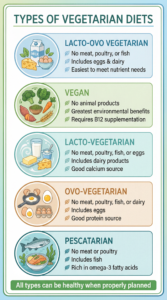
Understanding the five main types of vegetarian diets: Lacto-ovo vegetarians include eggs and dairy; vegans exclude all animal products; lacto-vegetarians include dairy; ovo-vegetarians include eggs; and pescatarians include fish. Each type offers unique benefits when properly planned.
There are several types of vegetarian diets to choose from, each with its own set of benefits and challenges.
Diet Type
Description
Pros
Cons
Lacto-ovo Vegetarian
Excludes meat, poultry, and fish, but includes eggs and dairy.
Easier to meet nutrient needs, especially for calcium and vitamin B12.
Still involves animal agriculture, which has environmental and ethical implications.
Vegan
Excludes all animal products.
Greatest environmental and animal welfare benefits.
Requires careful planning to avoid nutrient deficiencies, particularly vitamin B12.
Pescatarian
Excludes meat and poultry, but includes fish.
Good source of omega-3 fatty acids.
Does not fully address ethical concerns about animal welfare.
Practical Checklist for a Healthy Vegetarian Diet
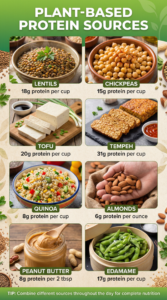
Top plant-based protein sources for vegetarians and vegans: Tempeh leads with 31g per cup, followed by tofu (20g), lentils (18g), edamame (17g), and chickpeas (15g). Combine different sources throughout the day for complete nutrition and optimal protein intake.
•Eat a wide variety of fruits, vegetables, whole grains, and legumes.
•Include multiple sources of plant-based protein in your daily diet.
•Choose healthy fats from sources like nuts, seeds, and olive oil.
•Ensure you have a reliable source of vitamin B12, either from fortified foods or a supplement.
•Monitor your iron and calcium intake.
•Practice portion control to maintain a healthy weight.
FAQs
1. Is a vegetarian diet safe for everyone?
Yes, a well-planned vegetarian diet is considered safe and healthy for all stages of life, including pregnancy, lactation, infancy, childhood, and adolescence, as well as for athletes .
2. Will I get enough protein on a vegetarian diet?
It is entirely possible to get enough protein on a vegetarian diet by including a variety of plant-based protein sources, such as beans, lentils, tofu, tempeh, nuts, seeds, and whole grains.
3. What about vitamin B12?
Vitamin B12 is found almost exclusively in animal products, so it is a nutrient of concern for vegetarians, especially vegans. It is important to consume B12-fortified foods or take a B12 supplement.
Conclusion
Adopting a vegetarian diet offers a powerful opportunity to improve your health, reduce your environmental impact, and align your food choices with your ethical values. While the transition requires careful planning to ensure nutritional adequacy, the long-term benefits are well-supported by scientific evidence. By starting with small changes, exploring new foods, and focusing on a variety of whole, plant-based foods, you can successfully transition to a healthy and rewarding vegetarian lifestyle.
Key Takeaways
•A well-planned vegetarian diet can reduce the risk of chronic diseases like heart disease, type 2 diabetes, and hypertension.
•Vegetarian diets have a significantly lower environmental impact than meat-based diets.
•Ethical considerations regarding animal welfare are a primary motivator for many vegetarians.
•A successful transition to a vegetarian diet involves gradual changes and careful meal planning.
•It is important to pay attention to key nutrients like vitamin B12, iron, and protein.
Next Step
If you are considering a vegetarian diet, a good next step is to consult with a registered dietitian or your healthcare provider to create a personalized plan that meets your individual nutritional needs.