Weight loss is often misunderstood as a temporary fix or a test of willpower. In reality, it is a long-term management process that requires a structured, multi-faceted approach. A successful routine is not defined by speed or intensity, but by sustainability—the ability to maintain healthy habits over months and years rather than weeks.
This article provides a comprehensive overview of what constitutes an effective weight loss routine. It moves beyond fad diets to explore the evidence-based components of weight management: nutrition, physical activity, and behavioral change. By understanding these core elements, you can build a personalized plan that supports not just weight reduction, but overall health and longevity.
What a Weight Loss Routine Is (and What It Isn’t)
A weight loss routine is a systematic set of daily behaviors designed to create a caloric deficit while nourishing the body and preserving lean muscle mass. It is a lifestyle framework that integrates dietary choices, movement, sleep, and stress management into a cohesive plan .
It is not a short-term starvation diet, a reliance on supplements, or a punishment for past choices. Effective routines are flexible and adaptable, recognizing that rigid perfectionism often leads to burnout and weight regain. The goal is to establish a “new normal” where healthy choices become automatic rather than forced .
Why It Matters: The Importance of Sustainability
The primary challenge in weight management is not losing weight, but keeping it off. Research consistently shows that while many people can lose weight in the short term, the majority regain it within a few years. This cycle of “yo-yo dieting” can be detrimental to both physical and metabolic health .
A sustainable approach matters because it addresses the root causes of weight gain. By focusing on gradual, permanent lifestyle changes rather than drastic, temporary measures, you allow your body and mind to adjust. Sustainable routines prevent the metabolic slowdown often associated with crash dieting and help preserve muscle mass, which is crucial for long-term metabolic health . Furthermore, a balanced routine reduces the risk of chronic diseases such as type 2 diabetes, heart disease, and hypertension .
Key Concepts Readers Must Understand
Before starting a routine, three foundational concepts must be understood:
•Caloric Deficit: Weight loss fundamentally requires consuming fewer calories than your body burns. However, the quality of those calories matters immensely for satiety, energy levels, and health .
•Energy Balance: This is the relationship between “energy in” (food/drink) and “energy out” (basal metabolic rate + physical activity). While simple in theory, it is influenced by hormones, sleep, and stress .
•Behavioral Adaptation: Success relies on changing behaviors, not just biology. This involves identifying triggers for overeating, managing emotional stress without food, and building consistent habits .
Step-by-Step: How to Approach a Weight Loss Routine
Building a routine involves more than just picking a diet. It requires a strategic approach to lifestyle modification.
1. Assess Your Starting Point
Begin by understanding your current habits. Keep a food and activity journal for a week to identify patterns. Are you skipping meals and overeating later? Are you sedentary for most of the day? Understanding your baseline is essential for setting realistic goals .
2. Establish a Nutritional Framework
Instead of eliminating entire food groups, focus on a balanced eating plan.
•Prioritize Nutrient Density: Fill half your plate with vegetables and fruits. These provide volume and fiber, which help you feel full on fewer calories .
•Manage Portions: Use smaller plates or measure servings to avoid accidental overeating, even of healthy foods .
•Hydration: Drink water throughout the day. Thirst is often confused with hunger, and adequate hydration supports metabolism .
3. Integrate Physical Activity
Exercise should be viewed as a tool for health and maintenance, not just a calorie burner.
•Aerobic Activity: Aim for at least 150 minutes of moderate-intensity cardio (like brisk walking) per week to burn calories and improve heart health .
•Strength Training: Incorporate resistance exercises 2-3 times per week. Building muscle increases your resting metabolic rate, helping you burn more calories at rest .
•NEAT (Non-Exercise Activity Thermogenesis): Increase daily movement outside of the gym—taking stairs, standing more, or gardening. This can significantly contribute to daily calorie expenditure .
4. Address Lifestyle Factors
Weight loss is not just about food and movement.
•Sleep: Aim for 7-9 hours of quality sleep. Sleep deprivation disrupts hunger hormones (ghrelin and leptin), leading to increased cravings .
•Stress Management: Chronic stress triggers cortisol production, which can promote fat storage, particularly in the abdominal area. Techniques like meditation, deep breathing, or hobbies are vital components of a weight loss routine .
Common Pitfalls and How to Avoid Them
•The “All-or-Nothing” Mentality: One indulgent meal does not ruin your progress. Avoid the spiral of “I blew it, so I might as well give up.” Get back on track with the next meal .
•Overestimating Calorie Burn: Fitness trackers and machines often overestimate calories burned. Do not “eat back” all the calories you think you burned during exercise .
•Ignoring Liquid Calories: Sugary drinks, alcohol, and fancy coffees can add hundreds of empty calories without providing satiety. Stick primarily to water, tea, or black coffee .
Options and Approaches: Comparing Tradeoffs
There is no single “best” diet. The most effective approach is the one you can stick to.
Approach
Focus
Pros
Cons
Calorie Counting
Tracking energy intake vs. expenditure
High precision; educational; flexible food choices.
Can be tedious; risk of obsession; ignores food quality.
Low-Carb / Keto
Reducing carbohydrates to lower insulin
Rapid initial weight loss; reduced hunger for some.
Difficult to sustain socially; potential nutrient deficiencies; “keto flu.”
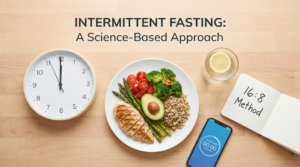
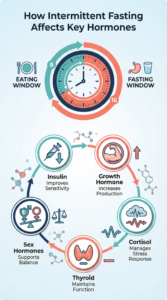
Intermittent Fasting
Restricting eating windows (e.g., 16:8)
Simple rules; no specific food restrictions; may improve insulin sensitivity.
Can trigger binge eating; may not suit active lifestyles; hunger during fasting windows.
Plant-Based / Mediterranean
Whole foods, healthy fats, plants
High nutrient density; heart-healthy; sustainable long-term.
Requires meal planning; may need protein supplementation; less convenient.
Note: Consult a healthcare provider before starting any significant dietary change, especially if you have underlying health conditions.
Practical Checklist
Use this checklist to audit your daily routine:
Breakfast: Did I include a source of protein and fiber to stabilize blood sugar?
Hydration: Have I had a glass of water before every meal?
Movement: Did I move my body intentionally for at least 30 minutes today?
Vegetables: Did I eat a vegetable with lunch and dinner?
Sleep: Am I winding down early enough to get 7+ hours of sleep?
Tracking: Did I log my food or reflect on my eating choices today?
FAQs
Q: How fast should I lose weight?
A: A safe and sustainable rate is generally 1-2 pounds per week. Losing weight faster often means losing muscle mass and water weight, which can lower your metabolism and make maintenance harder .
Q: Do I have to exercise to lose weight?
A: While nutrition has the largest impact on weight loss, exercise is critical for keeping the weight off, preserving muscle, and improving overall health. It is much harder to maintain weight loss without physical activity .
Q: What if I hit a plateau?
A: Plateaus are normal. As you lose weight, your body requires fewer calories. You may need to recalculate your calorie needs, increase your activity intensity, or closely track your intake to ensure you haven’t drifted from your plan .
Conclusion
A successful weight loss routine is not a sprint; it is a marathon of consistency. It requires a holistic approach that balances nutrition, physical activity, sleep, and stress management. By focusing on sustainable habits rather than quick fixes, you build a foundation for long-term health.
Next Step: Do not try to change everything at once. Choose one area from the checklist above—such as drinking water before meals or walking for 20 minutes daily—and commit to it for one week. Once that becomes a habit, layer on the next change.