What Are the Most Effective Strategies for Achieving Sustainable Weight Loss?
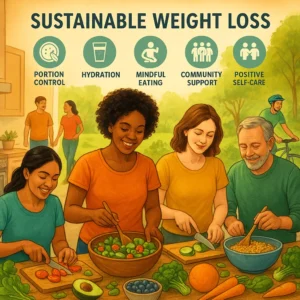
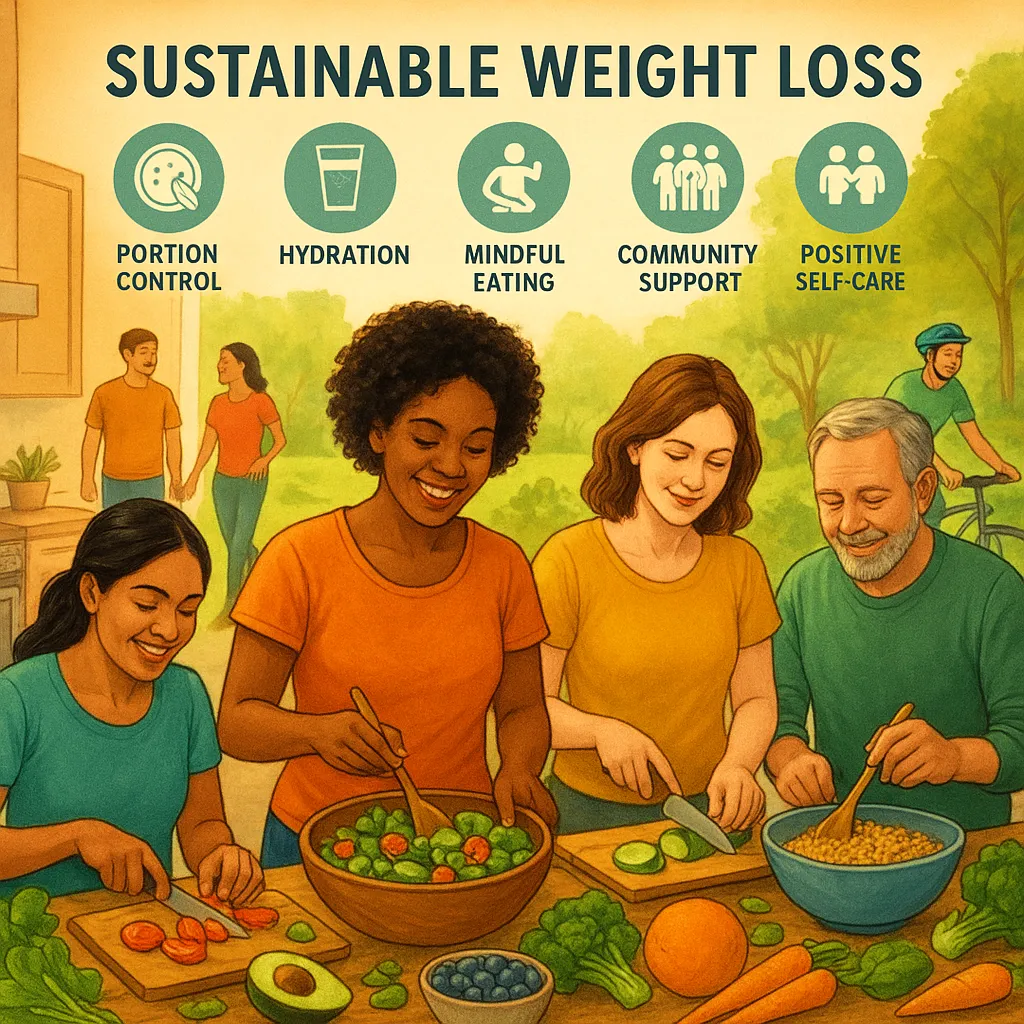
The most effective strategies for sustainable weight loss include a combination of balanced nutrition, regular physical activity, behavioral changes, and ongoing support. Sustainable weight loss focuses on gradual, long-term habits rather than quick fixes, leading to healthier body weight and improved overall well-being.
—
What Does “Sustainable Weight Loss” Mean?
**Definition:**
Sustainable weight loss refers to losing weight at a steady pace (typically 0.5–2 pounds per week) and keeping it off long-term by adopting healthy, realistic lifestyle changes rather than temporary or extreme diets.
—
What Strategies Actually Work for Lasting Weight Loss?
1. Why Is a Balanced Diet Crucial?
A balanced, calorie-conscious diet is foundational for sustainable weight loss. It means nourishing your body with whole foods, appropriate portion sizes, and minimizing processed items.
**Key Dietary Strategies:**
– **Prioritize Nutrient-Dense Foods:** Focus on vegetables, fruits, lean proteins (eggs, fish, poultry, tofu), whole grains, nuts, and seeds.
– **Watch Portion Sizes:** Serve moderate portions and listen to your hunger and fullness cues.
– **Limit Added Sugars & Highly Processed Foods:** Cut back on sugary drinks, packaged snacks, and refined grains.
– **Stay Hydrated:** Drink water throughout the day, as dehydration can be mistaken for hunger.
| Food Groups | Examples | Portion Guidance |
|———————|———————————|———————-|
| Vegetables & Fruits | Broccoli, berries, spinach | ½ plate per meal |
| Proteins | Chicken, beans, fish, lentils | ¼ plate per meal |
| Whole Grains | Brown rice, oats, quinoa | ¼ plate per meal |
| Healthy Fats | Avocado, nuts, olive oil | Small amounts |
—
2. How Important Is Physical Activity for Weight Loss?
Physical activity helps burn calories, preserve muscle mass, and supports metabolic health—key for losing and keeping off weight.
**Effective Physical Activity Habits:**
– **Aim for at Least 150 Minutes of Moderate Activity Weekly:** Brisk walking, cycling, or swimming.
– **Add Strength Training:** Build and preserve muscle with resistance exercises at least 2x per week.
– **Increase Daily Movement:** Take stairs, walk errands, use standing desks, or do short home workouts.
> **Tip:** Find enjoyable activities, as consistency boosts results.
—
3. What Role Does Mindful Eating Play?
Mindful eating means being aware and intentional when you eat—listening to physical hunger cues, slowing down, and truly enjoying food. This can reduce overeating and promote healthier choices.
**Simple Mindful Eating Practices:**
– Put away screens while eating
– Chew food thoroughly
– Pause between bites
– Rate your hunger before and after meals
—
4. Why Are Behavioral and Lifestyle Changes Necessary?
Changing habits, addressing emotional eating, and managing stress play a large role in long-term weight management.
**Behavioral Strategies:**
– Set realistic, specific goals (e.g., “walk 30 minutes daily”)
– Track meals, physical activity, and emotions (journals or apps)
– Seek social support—friends, family, or professional groups
– Manage stress with meditation, hobbies, or counseling
—
5. Does Sleep Affect Weight Loss?
Yes—insufficient sleep disrupts hormones that regulate hunger and satiety. Aim for 7-9 hours of quality sleep for optimal metabolism and decision-making.
—
6. How Do Medical and Professional Support Help?
Healthcare professionals—such as registered dietitians, doctors, or therapists—can tailor advice, monitor progress, screen for underlying conditions, and offer support.
**Medical Entities Involved:**
– Dietitians for nutrition counseling
– Physicians for medical assessment
– Therapists for behavioral change strategies
—
What Are Examples of Effective, Sustainable Weight Loss Habits?
Here’s a summary of practical habits that support sustainable weight loss:
– Eating regular meals (no skipping)
– Cooking more at home to control ingredients
– Planning exercise into your weekly routine
– Reading food labels to make informed choices
– Preparing healthy snacks in advance
—
How Does Sustainable Weight Loss Differ from Fad Diets?
| Sustainable Weight Loss | Fad Diets |
|—————————————-|————————————|
| Slow, steady results | Quick, often extreme results |
| Focus on lifestyle changes | Focus on rules or exclusions |
| Encourages balanced nutrition | May exclude entire food groups |
| Long-term maintenance possible | Weight quickly regained |
| Supported by nutrition professionals | Limited scientific support |
—
What Factors Influence Weight Loss Success?
Several interconnected entities and concepts influence long-term weight loss, including:
– **Metabolism:** Affected by genetics, muscle mass, age, and activity level
– **Mental Health:** Emotional well-being can affect eating behaviors
– **Social Environment:** Support systems, cultural norms, and accessibility
– **Medical Conditions:** Thyroid issues, PCOS, or medications may impact weight
—
What Are the Most Common Reasons People Regain Weight?
– Returning to old habits after reaching goal weight
– Emotional or stress-related eating
– Unrealistic expectations and “all-or-nothing” thinking
– Lack of support or accountability
– Not addressing underlying health issues
—
Multiple Ways People Ask About Sustainable Weight Loss
– How can I lose weight and keep it off?
– What healthy weight loss strategies actually work?
– How do I avoid regaining weight after dieting?
– What is the best way to lose weight long-term?
– Which lifestyle changes lead to sustainable weight loss?
—
Frequently Asked Questions (FAQs)
1. How quickly should I aim to lose weight?
Aim for 0.5 to 2 pounds (0.2 to 0.9 kg) per week. Slow, steady loss is more likely to be maintained than rapid weight loss.
—
2. Can I lose weight without exercise?
While weight loss is possible through diet alone, combining regular exercise with healthy eating improves results and helps maintain lean muscle mass.
—
3. Do I need to cut out all carbs or fats to lose weight?
No. Both carbohydrates and fats play important roles in a balanced diet. Choose whole, unprocessed sources and moderate your portions.
—
4. What if I have a medical condition affecting my weight?
Consult a healthcare provider or registered dietitian. Conditions such as hypothyroidism or PCOS may require specialized management alongside lifestyle changes.
—
5. Are weight loss supplements necessary or helpful?
Most weight loss supplements lack strong scientific evidence and can be risky. Focus on sustainable lifestyle habits first and consult your doctor before considering supplements.
—
6. How important is support from family or friends?
Social support is a significant predictor of weight loss success. Share your goals with supportive people or join a group for accountability.
—
7. What should I do if I hit a weight loss plateau?
Plateaus are common. Reevaluate your habits, increase activity, manage stress, and, if needed, seek professional guidance to adjust your plan.
—
Summary: What Is the Key to Sustainable Weight Loss?
Achieving sustainable weight loss requires a mix of balanced nutrition, enjoyable physical activity, mindful eating, behavioral change, and ongoing support. By focusing on long-term lifestyle shifts and addressing individual factors, you can lose weight and keep it off for better health and quality of life.
“`