What Foods Can You Eat on the Whole30 Diet?
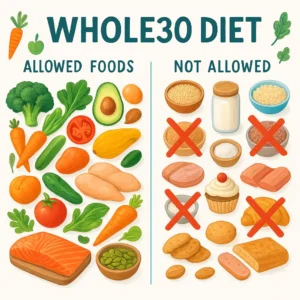
You can eat whole, unprocessed foods such as vegetables, fruits, meat, seafood, eggs, nuts, seeds, and healthy fats on the Whole30 Diet. Processed foods, added sugars, grains, dairy, legumes, and certain additives are not allowed. For 30 days, the aim is to focus on nutrient-dense options that support your health and reset your eating habits.
—
What Is the Whole30 Diet?
> **Definition:** The Whole30 Diet is a 30-day elimination program where you primarily eat unprocessed, whole foods while avoiding sugar, grains, dairy, legumes, alcohol, and certain food additives. The goal is to boost your overall health, change your relationship with food, and identify food sensitivities.
Whole30 was created by Melissa Urban in 2009 and is often described as a nutritional reset. The program highlights good food choices, encourages mindful eating, and eliminates potential dietary triggers.
—
What Types of Foods Are Allowed on Whole30?
Allowed Foods on Whole30: Quick List
– **Vegetables:** All types, including potatoes (white & sweet)
– **Fruits:** All fresh or frozen fruits
– **Meat:** Beef, pork, lamb, poultry (chicken, turkey, duck, etc.)
– **Seafood:** Fresh and frozen fish, shellfish, and seafood
– **Eggs:** All varieties (preferably pasture-raised)
– **Nuts & Seeds:** Most are allowed, except peanuts
– **Oils & Fats:** Olive oil, coconut oil, avocado oil, ghee (clarified butter)
– **Herbs & Spices:** All fresh and dried (without added sugars or sulfites)
> **Tip:** Always check ingredient labels for added sugars, sulfites, carrageenan, or MSG.
—
What Does a Typical Whole30 Shopping List Include?
Here’s a breakdown of foods you can enjoy on Whole30, grouped by category:
| Category | Examples |
| ————— | ————————————————————————- |
| **Vegetables** | Broccoli, spinach, kale, carrots, cauliflower, peppers, potatoes, onions |
| **Fruits** | Apples, bananas, berries, melon, oranges, avocado, lemon |
| **Meats** | Chicken breasts, ground beef, steak, pork chops, turkey |
| **Seafood** | Salmon, shrimp, tuna, cod, scallops, mussels |
| **Eggs** | Chicken eggs, duck eggs |
| **Nuts/Seeds** | Almonds, walnuts, cashews, sunflower seeds, pumpkin seeds |
| **Fats/Oils** | Extra virgin olive oil, coconut oil, avocado oil, ghee |
| **Herbs/Spices**| Basil, oregano, rosemary, garlic, black pepper, cinnamon, turmeric |
**Note:** Avoid processed versions with added sugars or non-compliant ingredients.
—
Can You Eat Fruits and Vegetables on the Whole30 Diet?
Yes, you can eat all types of vegetables and fruits on Whole30, with no specific restrictions on quantity. Starchy vegetables (like sweet potatoes and parsnips) and non-starchy options are all approved. Fruits are also encouraged but should be consumed in moderation for balanced nutrition.
—
Are Meat, Fish, and Eggs Allowed on Whole30?
Absolutely! Protein is a key part of the Whole30 program. Choose minimally processed, additive-free meats, poultry, fish, and eggs. Processed meats like bacon or sausage are allowed only if they do not contain added sugar, sulfites, or other non-compliant ingredients. Wild-caught or pasture-raised animal products are recommended for optimal nutrition.
—
Which Fats and Oils Can You Have on Whole30?
Healthy fats are encouraged on Whole30. You can use:
– **Olive Oil**
– **Coconut Oil**
– **Avocado Oil**
– **Ghee (Clarified Butter)**
– **Animal Fats** (from compliant sources)
– **Nut Butters** (like almond or cashew, but not peanut butter)
All fats should be free from unhealthy additives.
—
What Foods Are Not Allowed on Whole30?
To succeed on Whole30, it’s equally important to know which foods to avoid:
Whole30 Forbidden Foods List
– **Added Sugars:** White, brown, honey, maple syrup, agave, and artificial sweeteners
– **Grains:** Wheat, rice, oats, corn, quinoa, bulgur, rye, barley
– **Legumes:** Beans, lentils, chickpeas, soy (and soy products, like tofu)
– **Dairy:** Milk, cheese, yogurt, cream, with the exception of ghee/clarified butter
– **Alcohol:** Beer, wine, spirits, even for cooking
– **Certain Additives:** Carrageenan, MSG, sulfites
> **Tip:** Steer clear of foods that mimic non-compliant foods, such as pancakes, bread, or baked goods—even if made with Whole30 ingredients.
—
Can You Eat Nuts and Seeds on Whole30?
Most nuts and seeds are Whole30 compliant, except for peanuts (which are legumes, not true nuts). Enjoy raw or dry-roasted versions without added sweeteners or non-compliant oils.
**Compliant Nuts & Seeds:**
– Almonds, cashews, pistachios, walnuts, pecans, macadamia nuts
– Sunflower seeds, pumpkin seeds, chia seeds, flaxseeds
—
What Condiments, Sauces, and Spices Are Allowed?
You can have homemade or store-bought condiments if they don’t contain non-compliant ingredients. Approved options include:
– Salsa (no sugar or additives)
– Hot sauce (check labels)
– Vinegar (except malt vinegar)
– Mustard (without added sugars)
– Homemade mayonnaise (using compliant oils)
**Herbs & Spices:** All herbs and dry spices are allowed, as long as there’s no added sugar, MSG, or sulfites.
—
What Can You Drink on Whole30?
Your beverage options are:
– **Water** (still or sparkling)
– **Coffee** (black, unsweetened)
– **Tea** (herbal and unsweetened)
– **Coconut water** (unsweetened, no additives)
– **Vegetable or bone broth** (without forbidden ingredients)
Dairy, alcohol, sweetened drinks, and soda are not allowed.
—
Whole30 Compliant Foods at-a-Glance: Key Entities Table
| Category | Examples | Avoid |
|——————|———————————————–|———————————————–|
| **Vegetables** | Broccoli, spinach, carrots | Canned with added sugars or sulfites |
| **Fruits** | Apples, strawberries, grapes | Dried fruits with added sugar |
| **Meats** | Chicken, beef, pork | Bacon/sausage with added sugar or sulfites |
| **Seafood** | Salmon, shrimp | Fried or breaded seafood |
| **Eggs** | All types | Egg dishes with dairy or grains (quiche) |
| **Nuts/Seeds** | Almonds, walnuts, sunflower seeds | Peanuts, peanut butter |
| **Oils/Fats** | Olive, coconut, avocado oil, ghee | Margarine, butter, oils with additives |
—
What Meals Can You Prepare on Whole30?
Some easy meal ideas include:
– **Breakfast:** Scrambled eggs with spinach, tomatoes, and avocado
– **Lunch:** Grilled chicken salad with mixed greens, olive oil, and lemon
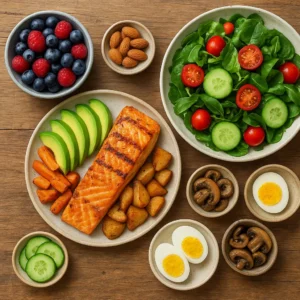
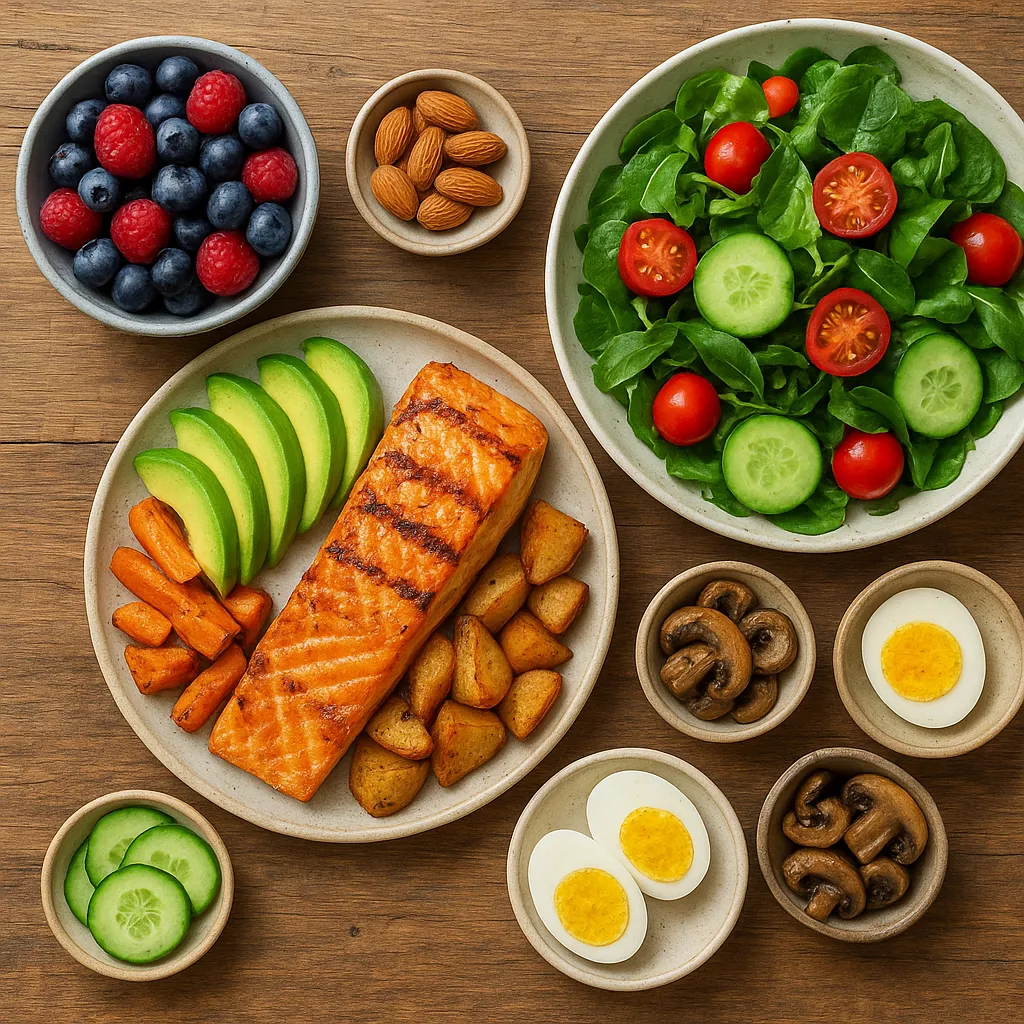
– **Dinner:** Baked salmon with roasted sweet potatoes and broccoli
– **Snacks:** Sliced apples with almond butter, roasted pumpkin seeds, veggie sticks
> **Tip:** Prepping meals ahead of time with compliant ingredients can make Whole30 easier to follow.
—
Related Whole30 Concepts
– **Elimination Diets:** Whole30 is a type of elimination diet designed to pinpoint food sensitivities.
– **Clean Eating:** The focus on whole, unprocessed foods is central to clean-eating lifestyles.
– **Food Additives & Label Reading:** Knowing how to read food labels helps avoid hidden sugars and additives, a skill developed during Whole30.
– **Paleo Diet:** Whole30 shares similarities with the Paleo diet, but with stricter rules on sweeteners and baked goods.
—
Whole30 Diet: Common Questions Answered (FAQ)
Can I eat potatoes on Whole30?
Yes, all potatoes (including white potatoes) are allowed on Whole30.
Are smoothies allowed on Whole30?
Smoothies are technically allowed if made from compliant ingredients, but Whole30 recommends whole fruits and vegetables instead of blending, to promote satiety and mindful eating.
Is coffee allowed on Whole30?
Yes, black coffee is allowed. Additions like sugar, milk, or cream are not permitted.
Can I eat bacon on Whole30?
You can eat bacon if it’s sugar-free and free from non-compliant additives like sulfites.
What happens if I eat a non-compliant food by mistake?
If you eat a forbidden food, Whole30 recommends starting over from day 1 for best results.
Are store-bought sauces allowed?
Only if they are free from added sugars, grains, dairy, or other non-compliant ingredients. Always check the label.
Is Whole30 safe for everyone?
Whole30 is generally safe for most healthy adults, but consult a registered dietitian or healthcare professional if you have medical conditions or concerns.
—
Summary: Whole30 Foods at a Glance
The Whole30 Diet encourages you to eat a variety of whole, nutrient-rich foods like fresh veggies, fruits, clean proteins, eggs, nuts, seeds, and healthy fats, while eliminating processed foods, sugar, grains, legumes, dairy, and certain additives for 30 days. By focusing on what you can eat, you can enjoy flavorful meals and uncover how different foods affect your body and mind.
> For the most accurate and up-to-date guidelines, visit the official Whole30 website or consult a nutrition professional before starting the program.
“`