What Are the Most Effective Strategies for Achieving Sustainable Weight Loss?
**The most effective strategies for sustainable weight loss combine balanced nutrition, regular physical activity, and behavior change techniques. Long-term success is achieved by adopting habits you can maintain, rather than relying on quick fixes or extreme diets.**
—
What Does Sustainable Weight Loss Mean?
**Sustainable weight loss** refers to losing weight at a moderate, steady pace and keeping it off for the long term by making permanent changes to your eating, activity, and lifestyle habits. Unlike rapid weight loss, which often leads to regaining weight, sustainable approaches focus on overall well-being.
—
How Can You Start Losing Weight Effectively?
The first step is to set realistic goals and make gradual changes to your habits. Small, consistent improvements are more likely to last and support long-term weight maintenance.
—
What Are the Core Strategies for Sustainable Weight Loss?
Here are the main strategies supported by research and health entities like the CDC, WHO, and the Mayo Clinic:
1. Prioritize Balanced, Nutrient-Dense Eating
– **Focus on whole foods**: Fruits, vegetables, whole grains, lean proteins, and healthy fats
– **Control portions**: Pay attention to serving sizes and avoid overeating
– **Limit processed foods**: Reduce intake of refined sugars, trans fats, and high-calorie, low-nutrient items
Definition Box: Nutrient-Dense Foods
> **Nutrient-dense foods** provide high levels of vitamins, minerals, and other beneficial substances relative to their calorie content. Examples include leafy greens, berries, fish, nuts, beans, and whole grains.
—
2. Practice Mindful and Consistent Eating
– **Eat slowly** and pay attention to hunger and fullness
– **Avoid distractions** like screens during mealtimes
– **Plan meals and snacks** to minimize impulsive, unhealthy choices
—
3. Establish a Physical Activity Routine
– **Aim for at least 150 minutes of moderate exercise per week** (e.g., brisk walking, cycling, swimming)
– **Include resistance/strength training** 2-3 times per week to build muscle and boost metabolism
– **Increase daily movement**: Use stairs, walk or bike for errands, stretch regularly
Table: Recommended Physical Activities and Their Benefits
| Activity | Benefits | How Often |
|———————-|———————————|——————-|
| Brisk Walking | Burns calories, boosts heart health | 30 min/day, most days |
| Strength Training | Builds muscle, increases metabolism | 2-3x/week |
| Yoga/Pilates | Improves flexibility, reduces stress | 1-2x/week |
| Cycling/Swimming | Low-impact, enhances endurance | 2-3x/week |
—
4. Use Behavioral Strategies for Lasting Change
– **Set SMART goals**: Specific, Measurable, Achievable, Relevant, Time-bound
– **Track your food, activity, and progress**
– **Seek social support**: Share goals with friends, family, or join a group
– **Identify triggers** for unhealthy eating or inactivity and develop coping strategies
– **Practice self-compassion**: Accept setbacks and refocus on your goals
—
5. Prioritize Sleep and Stress Management
– **Aim for 7-9 hours of sleep per night**
– **Manage stress** through relaxation techniques, hobbies, and social connection
– Chronic stress and lack of sleep can increase appetite and cravings
—
What Are Examples of Sustainable Diets?
Many experts recommend eating patterns that emphasize nutrition and flexibility, such as:
– **Mediterranean Diet**: Focuses on vegetables, fruits, nuts, beans, fish, and olive oil
– **DASH Diet**: Emphasizes fruits, vegetables, low-fat dairy, and lean proteins, designed for heart health
– **Flexitarian Diet**: Mostly plant-based, allows occasional meat and animal products
—
Are There Medical or Professional Supports Available?
If you have medical conditions or significant weight to lose, consult a healthcare provider, registered dietitian, or certified health coach for individualized support. Medication or bariatric surgery may be considered if lifestyle changes alone are insufficient, per guidance from leading medical organizations.
—
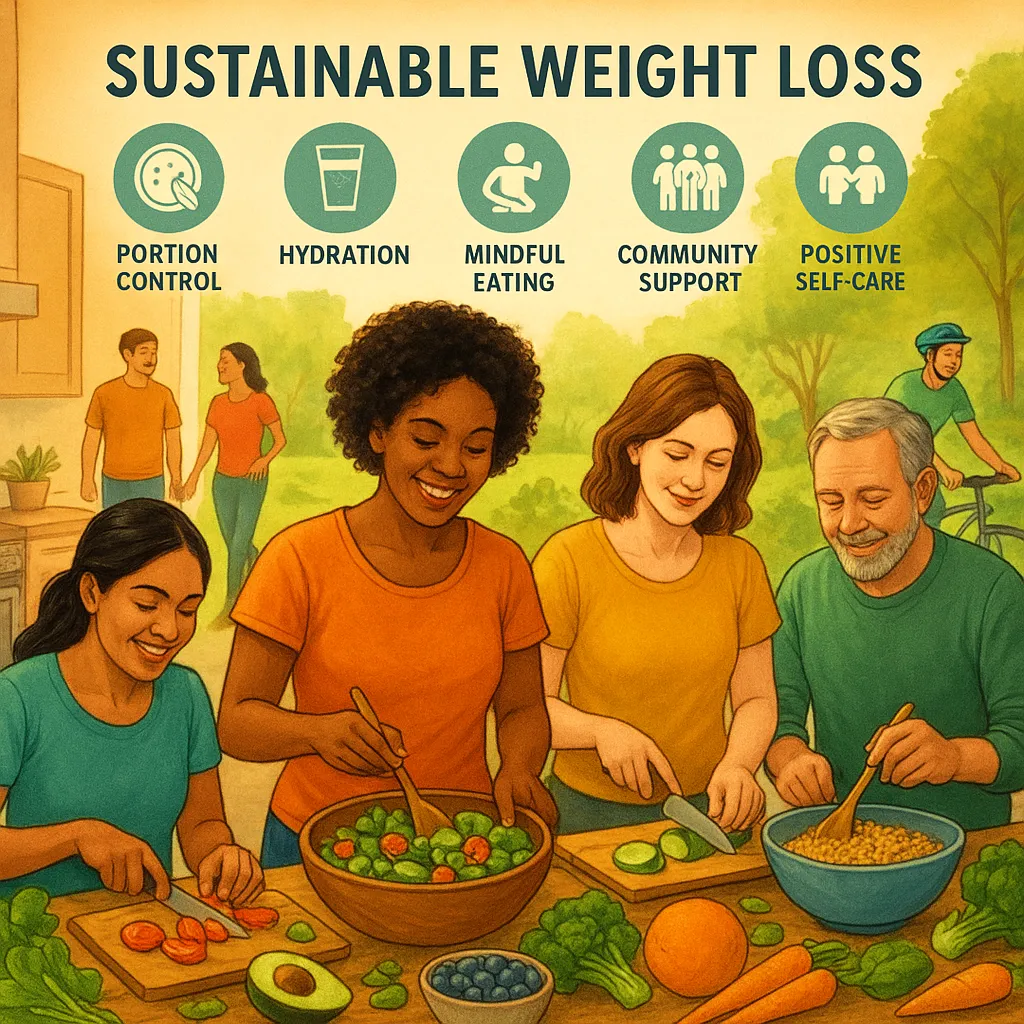
Visual Summary: Key Strategies for Sustainable Weight Loss
**5-Step Checklist**
1. Eat a balanced, nutrient-dense diet
2. Move your body regularly
3. Monitor and adjust behaviors
4. Prioritize sleep and stress relief
5. Seek support when needed
—
What Are Common Myths About Weight Loss?
– **”Carbs make you gain weight”**: Complex carbohydrates are part of a healthy diet; focus on quality and portion.
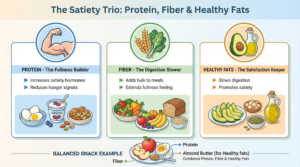
– **”You have to cut all fat”**: Healthy fats (like in nuts and avocados) are important for satiety and health.
– **”Starving yourself helps”**: Extreme calorie restriction slows metabolism and is unsustainable.
—
Related Concepts and Entities
– **Caloric Deficit**: Consuming fewer calories than you expend for weight loss
– **Body Mass Index (BMI)**: Measurement used to assess healthy weight
– **Metabolism**: The rate at which your body burns calories
– **Behavioral Therapy**: Techniques to modify eating and activity habits
—
Related Questions and Variations
How can I lose weight and keep it off permanently?
Sustainable weight loss requires long-term habit changes in diet, activity, and mindset. Focus on consistency, not perfection, and avoid fad diets.
What are the best daily habits for healthy, sustainable weight loss?
– Eat mindfully and balanced meals
– Stay physically active
– Sleep well and manage stress
– Track your progress and celebrate milestones
Can you lose weight without exercising?
Yes, but coupling dietary changes with physical activity not only preserves muscle mass but also improves your chances of keeping weight off.
How long does it take to lose weight sustainably?
A safe, sustainable rate is **0.5-2 pounds (0.2-0.9 kg) per week**. This pace supports fat loss while maintaining muscle and health.
What role does metabolism play in weight loss?
Metabolism determines how many calories your body burns at rest. Building muscle, staying active, and not under-eating support a healthy metabolic rate.
Do meal-timing and intermittent fasting help?
Some people find time-restricted eating (like intermittent fasting) helpful, but it is not necessary for everyone. What matters most is total food quality and quantity over time.
Are weight loss medications or surgery necessary?
These should be reserved for individuals with medical need, such as obesity with complications, and always under medical supervision. Lifestyle modification remains the foundation.
—
Frequently Asked Questions (FAQ)
1. What is the fastest way to lose weight and keep it off?
There is no “fastest” healthy way; gradual, steady weight loss through balanced nutrition and increased activity is best for lasting results. Aim for 0.5–2 pounds per week.
2. Can I lose weight without counting calories?
Yes, focusing on whole foods, controlling portions, and mindful eating can naturally create a caloric deficit without strict calorie counting.
3. What are some healthy snacks for weight loss?
Fresh fruit, Greek yogurt, raw nuts, cut veggies with hummus, and hard-boiled eggs are all nutrient-dense, filling snack options.
4. How important is drinking water for weight loss?
Very important. Staying hydrated supports metabolism and can help control appetite; sometimes thirst is mistaken for hunger.
5. What should I do if I hit a weight loss plateau?
Review your food and activity patterns, adjust your routine, monitor stress and sleep, and consult a professional if needed. Plateaus are common and can be overcome with patience and persistence.
6. Are “cheat days” helpful or harmful?
Occasional indulgences are normal but should be planned and moderate. Rigid restriction often leads to overeating; balance and flexibility are key.
7. How do hormones affect weight loss?
Hormones like insulin, leptin, and cortisol influence hunger, fat storage, and energy. Managing stress, sleep, and overall health can help keep hormones balanced.
—
Key Takeaway
**Sustainable weight loss is about building healthy, enjoyable habits you can maintain for life—balancing nutrition, activity, sleep, and self-care for overall well-being.**
“`