What Are the Most Effective Habits for Achieving Sustainable Weight Loss?
The most effective habits for achieving sustainable weight loss include consistent healthy eating, regular physical activity, mindful eating, adequate sleep, and progress tracking. By focusing on gradual lifestyle changes rather than restrictive diets, individuals can maintain long-term results and improve overall well-being.
—
What Are Sustainable Weight Loss Habits?
**Definition:**
Sustainable weight loss habits are ongoing behaviors and lifestyle choices that promote gradual fat loss while supporting health, energy, and overall quality of life. Unlike short-term diets, these habits are designed to be maintained indefinitely.
—
What Daily Habits Help With Lasting Weight Loss?
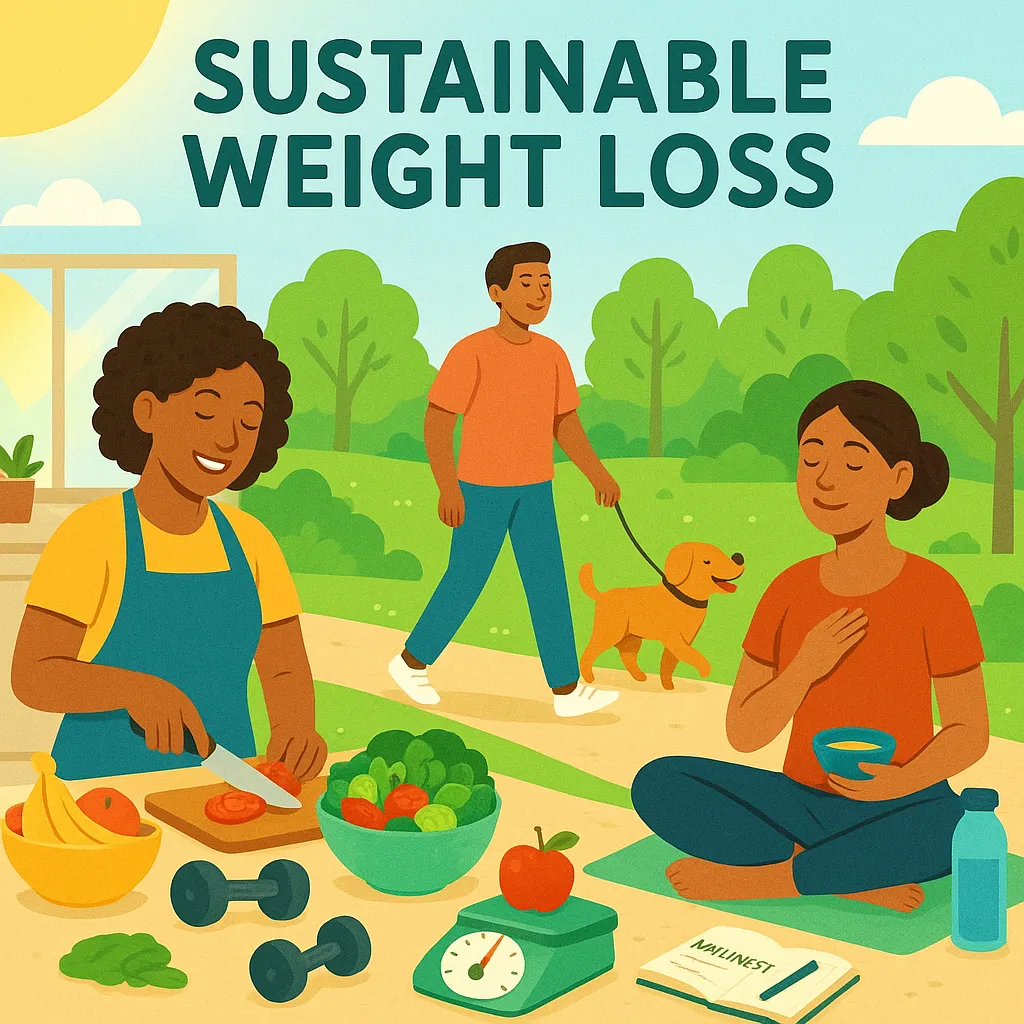
The path to sustainable weight loss is built on a collection of simple, repeatable habits. Here are the most effective habits, explained:
1. **Mindful Eating**
**What is mindful eating?**
Mindful eating means paying close attention to hunger cues, eating slowly, and savoring each bite. This approach prevents overeating and promotes a healthy relationship with food.
Tips for Mindful Eating:
– Eat without distractions (such as TV or smartphones).
– Chew slowly and pause between bites.
– Recognize hunger vs. emotional eating.
– Stop eating when comfortably full, not stuffed.
—
2. **Balanced, Nourishing Meals**
**What does a balanced meal look like?**
A balanced plate includes lean protein, whole grains, healthy fats, and plenty of fruits and vegetables.
Example Table: Balanced Meal Components
| Food Group | Example Foods | Benefits |
|——————|—————————————-|————————————————|
| Lean Protein | Chicken, tofu, beans, fish | Builds muscle, keeps you full |
| Whole Grains | Brown rice, quinoa, whole wheat bread | Provides energy, fiber |
| Vegetables | Broccoli, spinach, carrots | Low-calorie, high in vitamins and minerals |
| Healthy Fats | Olive oil, nuts, avocado | Supports hormone health, helps satiety |
—
3. **Consistent Physical Activity**
**How much exercise supports weight loss?**
Aim for at least 150 minutes of moderate aerobic activity per week, mixed with strength training twice per week.
Types of Physical Activity:
– Walking or jogging
– Cycling or swimming
– Weightlifting or resistance workouts
– Yoga or stretching
**Entity Connections:** Exercise also improves cardiovascular health, mood, and energy, which reinforce lasting weight loss.
—
4. **Healthy Sleep Patterns**
**Why does sleep matter for weight loss?**
Poor sleep disrupts hormones like leptin and ghrelin, increasing hunger and cravings. Aim for 7-9 hours of quality sleep each night.
Sleep Improvement Tips:
– Stick to a regular sleep schedule.
– Limit screens before bed.
– Create a restful bedroom environment.
—
5. **Proper Hydration**
**Does drinking water help with weight loss?**
Yes. Drinking water before meals can reduce calorie intake and helps optimize metabolism.
Hydration Guidelines:
– Aim for about 2 liters (8 cups) daily, or more with exercise.
– Prefer water over sugary drinks.
—
6. **Tracking Progress and Setting Realistic Goals**
**Why track progress?**
Keeping a food or activity journal increases awareness and accountability.
Effective Ways to Track Progress:
– Use a fitness app for food and exercise logging.
– Set gradual, achievable goals (e.g., lose 1-2 pounds per week).
– Celebrate non-scale victories (improved energy, better sleep).
—
How Do These Habits Support Sustainable Weight Loss?
Semantic Relationship Table
| Habit | Key Benefits | Linked Concepts |
|————————|————————————-|——————————————|
| Mindful Eating | Prevents overeating | Intuitive eating, portion control |
| Balanced Meals | Nutrient adequacy, satiety | Macronutrients, metabolism |
| Physical Activity | Burns calories, builds muscle | Heart health, endorphins, energy balance |
| Sleep Hygiene | Regulates appetite hormones | Circadian rhythm, stress reduction |
| Hydration | Supports metabolism, reduces hunger | Detoxification, appetite regulation |
| Progress Tracking | Increases awareness, motivation | Goal setting, habit formation |
These habits support a slow and steady rate of weight loss, making it easier to maintain and less likely to lead to weight rebound compared to drastic diets.
—
What Are Common Barriers to Sustainable Weight Loss and How Can I Overcome Them?
Overcoming Common Challenges
– **Emotional Eating:** Practice stress management techniques (such as meditation or journaling).
– **Busy Lifestyle:** Meal prep on weekends and schedule workouts ahead of time.
– **Cravings and Temptations:** Include regular, healthy snacks and don’t eliminate entire food groups.
– **Plateaus:** Change up your exercise routine and review your food intake for unnoticed calories.
—
How Is Sustainable Weight Loss Different from Rapid Weight Loss?
**Sustainable weight loss** focuses on gradually losing weight at a rate of 0.5–1 kg (1–2 lbs) per week by adopting enduring healthy habits.
**Rapid weight loss**, often seen in restrictive diets or fad plans, can result in muscle loss, nutrient deficiencies, and is frequently followed by weight regain.
—
Related Entities and Concepts
– **Calorie Deficit:** Consuming fewer calories than you burn leads to weight loss.
– **Metabolism:** Influenced by muscle mass, age, activity, and nutrition.
– **Behavior Change:** Lasting change comes from building habits, not willpower alone.
– **Support Systems:** Social accountability (friends, groups, or professionals) increases success.
—
Frequently Asked Questions (FAQ)
**1. What is the best eating pattern for sustainable weight loss?**
A balanced eating pattern with regular meals that include protein, fiber, and healthy fats promotes fullness and stable blood sugar, making weight loss more manageable.
**2. Can I lose weight sustainably without exercise?**
While possible through calorie control, adding physical activity helps preserve muscle, boosts metabolism, and improves health outcomes.
**3. How long does it take to see results with sustainable weight loss habits?**
Most people notice changes in 4-8 weeks. Sustainable weight loss is typically 0.5–1 kg (1–2 lbs) per week.
**4. Are cheat meals okay when losing weight sustainably?**
Occasional indulgence is part of a balanced lifestyle. Enjoy treats mindfully and return to your healthy habits at the next meal.
**5. What role does gut health play in weight loss?**
A healthy gut, supported by fiber-rich foods and probiotics, may influence weight regulation and digestion.
**6. How can I stay motivated with long-term weight loss habits?**
Setting small, achievable goals, tracking progress, and celebrating victories (non-scale included) helps maintain motivation.
**7. Should I avoid carbohydrates for sustainable weight loss?**
No. Whole-grain carbohydrates provide essential energy and nutrients. Moderation and choosing high-fiber options are best.
—
Summary Table: Most Effective Sustainable Weight Loss Habits
| Habit | Why It Works |
|———————–|—————————————————–|
| Mindful Eating | Reduces overeating, increases satisfaction |
| Balanced Meals | Improves nutrition, increases fullness |
| Physical Activity | Burns calories, preserves muscle, boosts health |
| Quality Sleep | Optimizes metabolism and hunger hormones |
| Hydration | Supports metabolism and appetite control |
| Progress Tracking | Increases awareness and accountability |
—
Conclusion
Sustainable weight loss isn’t about quick fixes or deprivation. By consistently practicing mindful eating, choosing balanced meals, moving your body, prioritizing sleep, staying hydrated, and monitoring progress, you build habits that last. These habits not only help you lose weight gradually, but also improve your overall health and quality of life.
**Related Questions You Might Ask:**
– How do I create a sustainable weight loss plan?
– What are the best foods for long-term weight loss?
– How can I stay consistent with weight loss habits?
For lasting success, focus less on perfection and more on progress—one habit at a time.
“`