How Can Adopting a Vegetarian Diet Help With Healthy Weight Loss and Dieting?
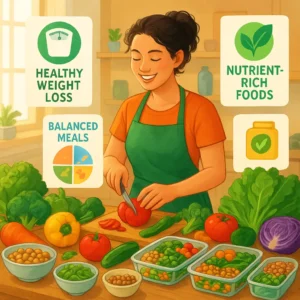
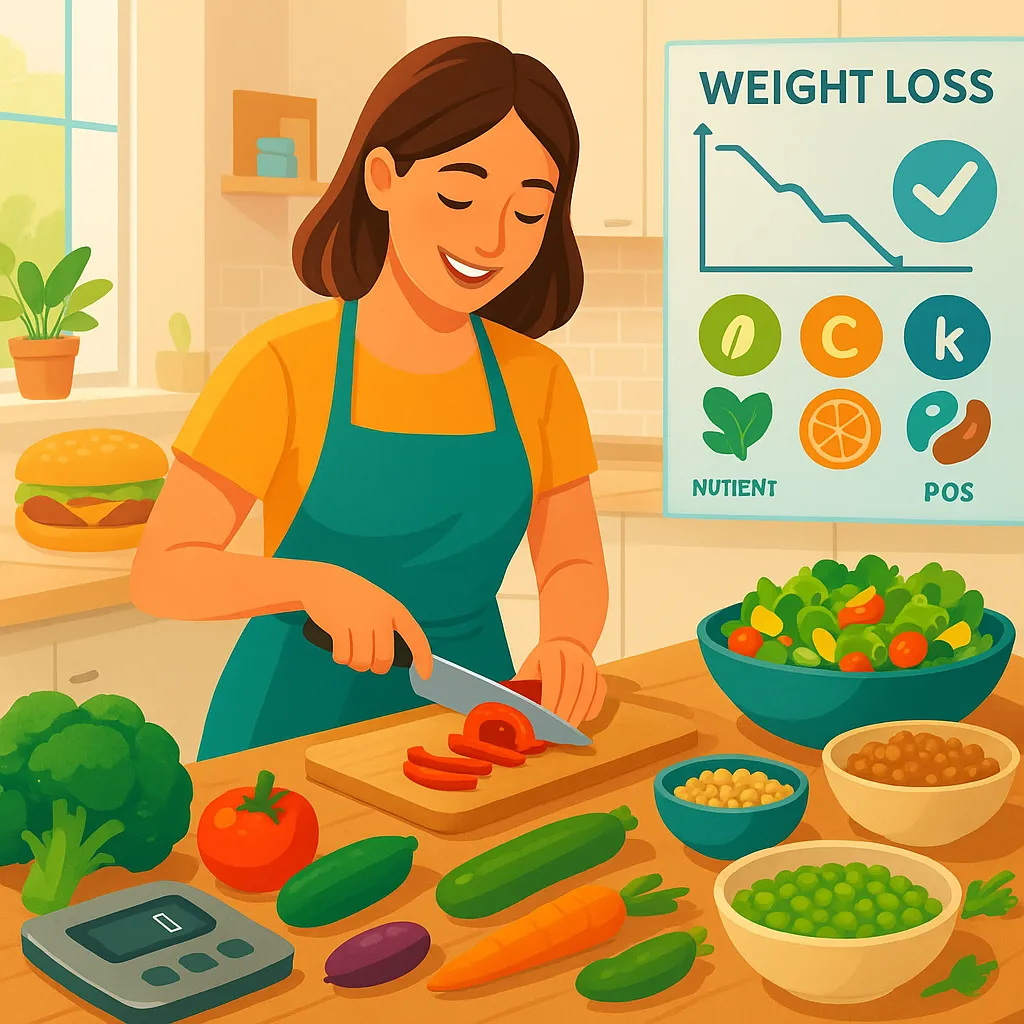
Adopting a vegetarian diet can promote healthy weight loss by emphasizing nutrient-dense, lower-calorie foods like vegetables, fruits, whole grains, and legumes. By naturally reducing intake of high-calorie animal fats and processed foods, vegetarians often consume fewer calories while increasing dietary fiber, both of which support sustainable weight loss and improved health.
—
What Is a Vegetarian Diet?
A vegetarian diet excludes meat, poultry, and seafood, focusing primarily on plant-based foods. Many variations exist, including:
– **Lacto-ovo vegetarian**: includes dairy and eggs
– **Lacto-vegetarian**: includes dairy but not eggs
– **Ovo-vegetarian**: includes eggs but not dairy
– **Vegan**: excludes all animal products
Definition Box: Vegetarian Diet
> **Vegetarian Diet**: A pattern of eating that eliminates meat, poultry, and seafood, and emphasizes plant-based foods like vegetables, fruits, grains, legumes, nuts, and seeds.
—
Why Does a Vegetarian Diet Support Weight Loss?
A vegetarian diet helps with weight loss due to several key factors:
1. **Lower Caloric Density**
Plant-based foods tend to contain fewer calories per serving than many animal-based foods. This allows for larger portion sizes with fewer overall calories.
2. **Higher Fiber Content**
Plant-based diets are rich in dietary fiber, which increases satiety (the feeling of fullness) and helps regulate appetite.
3. **Reduced Intake of Saturated Fats**
By eliminating red meat and other fatty animal products, vegetarians often consume less saturated fat, which is linked to improved weight and metabolic health.
4. **Emphasis on Whole Foods**
Many vegetarian diets center around whole, minimally processed foods that are not only lower in calories but also nutrient-rich, supporting overall health during weight loss.
—
How Does a Vegetarian Diet Compare to Other Diets for Weight Loss?
| Diet Type | Primary Foods | Calorie Density | Fiber Content | Weight Loss Support |
|———————–|————————————-|—————–|—————|——————–|
| Vegetarian | Veggies, fruits, grains, legumes | Low | High | Strong |
| Vegan | Only plant-based | Lowest | Highest | Strong |
| Mediterranean | Plant foods, fish, poultry, olive oil| Moderate | Medium | Good |
| Omnivorous (Standard) | Meat, dairy, grains, processed foods| High | Low | Variable |
**Entity connections**: Vegetarian diets are often compared to vegan, Mediterranean, and traditional omnivorous diets in nutritional science. Studies (by entities like the American Dietetic Association and Harvard T.H. Chan School of Public Health) show vegetarians generally have lower body mass indices and reduced risk of obesity.
—
What Are the Main Weight Loss Benefits of a Vegetarian Diet?
1. Lower Calorie Consumption Without Hunger
Vegetarian diets emphasize foods like beans, lentils, vegetables, and whole grains. These foods are filling due to water and fiber, with fewer calories per portion compared to high-fat meats or processed foods.
2. Enhanced Satiety From Fiber-Rich Foods
Fiber slows digestion, stabilizes blood sugar, and curbs overeating. This is why fiber is a focus in weight management programs and dietary guidelines by the Centers for Disease Control and Prevention (CDC).
3. Improved Body Composition
Several studies show switching to a vegetarian diet can result in lower BMI and waist circumference, even when overall food volume does not decrease.
—
Table: Common Foods for Weight Loss in a Vegetarian Diet
| Food | Serving Size | Calories | Fiber (g) | Key Nutrients |
|———————-|————–|———-|———–|———————|
| Lentils (cooked) | 1 cup | 230 | 15.6 | Protein, Iron |
| Broccoli (steamed) | 1 cup | 55 | 5.1 | Vitamin C, Folate |
| Quinoa (cooked) | 1 cup | 222 | 5.2 | Protein, Magnesium |
| Apples | 1 medium | 95 | 4.4 | Fiber, Vitamin C |
| Chickpeas (cooked) | 1 cup | 269 | 12.5 | Protein, Fiber |
| Spinach (raw) | 2 cups | 14 | 1.4 | Vitamin A, Iron |
—
What Are Common Questions About Vegetarian Diets and Weight Loss?
Can You Lose Weight Quickly On a Vegetarian Diet?
Weight loss speed varies depending on calorie intake, activity level, and individual metabolism. Adopting a vegetarian diet often leads to gradual, sustainable weight loss rather than rapid drops, which may be healthier for maintaining long-term results.
Is a Vegetarian Diet More Effective Than Cutting Carbs or Fats?
Many weight loss strategies work by creating a calorie deficit. Vegetarian diets can make this deficit easier to achieve thanks to lower-calorie foods, high fiber, and minimal processed ingredients. However, results can vary by individual.
Are All Vegetarian Foods Good for Weight Loss?
No. Some vegetarian foods, like cheese, fried products, or highly processed plant-based snacks, are high in calories and fat. Focusing on whole plant foods is key for successful weight loss.
—
How Can You Start a Vegetarian Diet for Weight Loss?
Simple Steps to Begin
1. **Gradually Replace Meat With Plant Protein**: Swap chicken or beef for beans, tofu, or lentils in favorite recipes.
2. **Eat More Whole Grains**: Choose brown rice, quinoa, bulgur, or whole wheat bread over refined options.
3. **Fill Half Your Plate With Vegetables**: Maximize volume, nutrition, and fullness.
4. **Incorporate Healthy Fats Moderately**: Use small amounts of olive oil, nuts, and seeds for satiety without excess calories.
5. **Plan Balanced Meals**: Include protein, fiber, and healthy fats at each meal.
Nutritional Considerations
– **Protein**: Easily obtained from legumes, soy products, nuts, and seeds
– **Iron**: Eat leafy greens, lentils, and iron-fortified grains with vitamin C-rich foods to boost absorption
– **Vitamin B12**: Supplement or eat fortified foods if you are vegan or mostly plant-based
—
Related Benefits: Beyond Weight Loss
A vegetarian diet is linked to:
– Reduced risk of heart disease
– Lower cholesterol levels
– Improved blood sugar control
– Decreased risk of certain cancers
These benefits are supported by organizations like the World Health Organization (WHO), the American Heart Association (AHA), and academic research.
—
Question Variations and Related Searches
– How does switching to a vegetarian diet help with losing weight?
– What are the weight loss benefits of eating vegetarian?
– Is vegetarianism effective for dieting and fat loss?
– Can going plant-based help you lose weight healthily?
– What vegetarian foods are best for weight loss?
—
FAQ: Vegetarian Diet and Healthy Weight Loss
1. Can I get enough protein on a vegetarian diet for weight loss?
Yes. Beans, lentils, tofu, tempeh, nuts, seeds, and dairy or eggs (if included) provide adequate protein for weight loss, muscle maintenance, and overall health.
2. Will switching to vegetarian automatically make me lose weight?
Not necessarily. Weight loss depends on consuming fewer calories than you burn. A vegetarian diet can make this easier, especially by focusing on whole, unprocessed foods and healthy portion sizes.
3. What should I avoid eating on a vegetarian diet if I want to lose weight?
Limit high-calorie processed foods, fried vegetarian snacks, and excess cheese or creamy sauces. Choose whole food options and moderate your use of added sugars and fats.
4. How soon will I see results after adopting a vegetarian diet?
Many people notice initial results, such as reduced bloating or gradual weight loss, within a few weeks. Long-term results depend on consistency and overall lifestyle habits.
5. Are there any risks to a vegetarian diet for weight loss?
A well-planned vegetarian diet is generally safe, but be mindful of nutrients like vitamin B12, iron, and omega-3 fatty acids. Consider supplements or fortified foods if needed.
6. Will a vegetarian diet help with belly fat?
Losing abdominal fat is possible with a calorie-controlled, high-fiber vegetarian diet, especially when paired with regular physical activity.
7. Can a vegetarian diet suit people with food allergies or sensitivities?
Yes. A vegetarian diet is highly adaptable—substitute allergens (like soy, nuts, or gluten) with alternative protein or grain sources as needed.
—
Summary
Adopting a vegetarian diet can be a powerful, sustainable way to achieve healthy weight loss by focusing on whole, plant-based foods that are naturally low in calories and high in fiber. This approach supports satiety, promotes balanced nutrition, and aligns with evidence-based recommendations for improved health and lower risk of chronic disease.
“`