What Are the Most Common Challenges Women Face When Trying to Lose Weight?
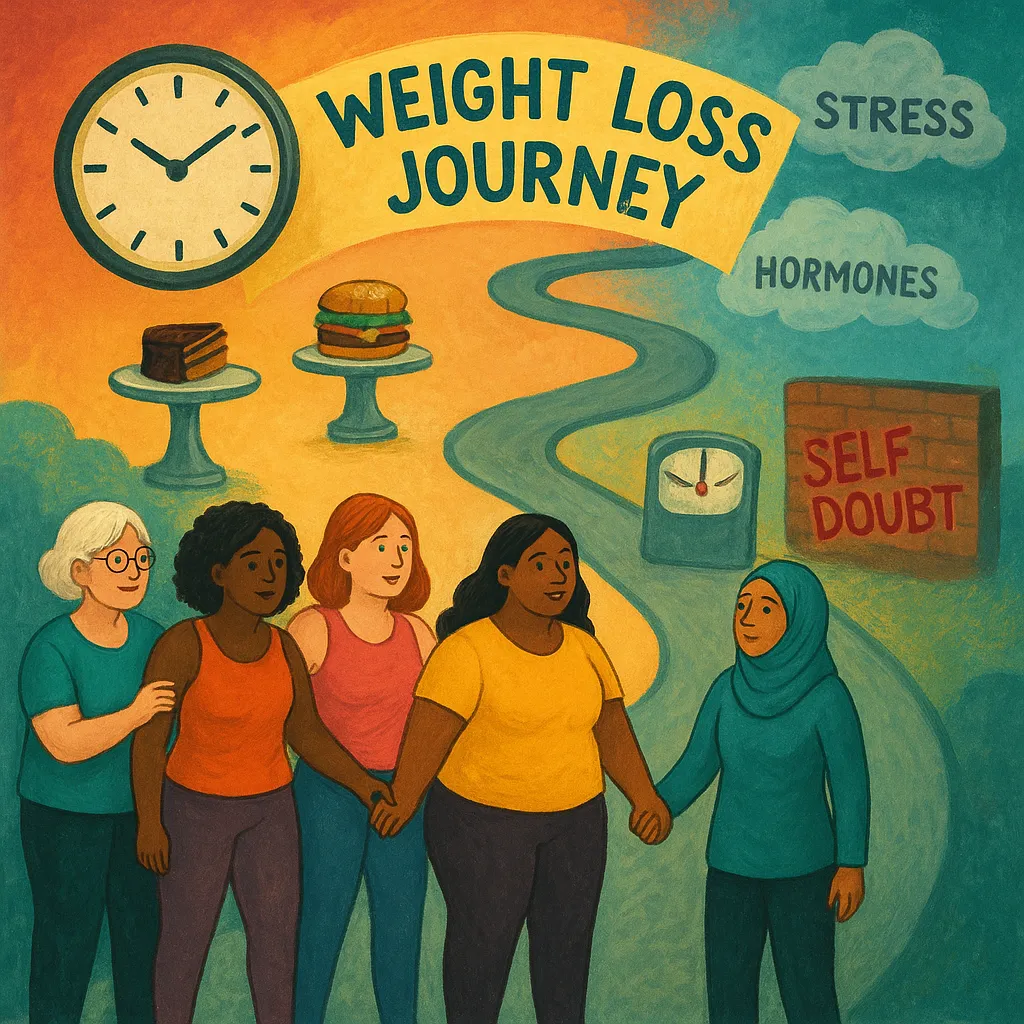
Women often encounter unique challenges when trying to lose weight, such as hormonal fluctuations, slower metabolism, and social pressures. These factors—along with emotional eating and lifestyle constraints—can make weight loss more complex for many women compared to men.
—
What Makes Weight Loss Difficult for Women? (Quick Overview)
Losing weight can be especially challenging for women due to a combination of biological, psychological, and social factors. Common obstacles include hormonal changes, metabolic differences, emotional stress, and conflicting responsibilities at work and home, which can all impact weight management.
—
Key Factors That Affect Weight Loss in Women
Let’s break down the most significant challenges women face when aiming to lose weight:
1. How Do Hormones Impact Women’s Weight Loss?
Hormonal fluctuations play a crucial role in women’s weight loss journeys. Estrogen, progesterone, and insulin are primary hormones that regulate appetite, fat storage, and metabolism. Changes in hormone levels during menstrual cycles, pregnancy, perimenopause, and menopause can increase food cravings, lead to water retention, and slow down metabolic rate.
**Definition Box: Hormonal Imbalance**
> A hormonal imbalance refers to disruptions in the body’s normal production and function of hormones, often leading to weight gain, fatigue, and mood swings.
Related Entities:
– **Menstrual Cycle**
– **Perimenopause**
– **PCOS (Polycystic Ovary Syndrome)**
– **Estrogen**
– **Progesterone**
—
2. Is Metabolism Slower in Women?
Metabolic rate is often lower in women than in men, largely because women tend to have a higher body fat percentage and less muscle mass. This can cause women to burn fewer calories at rest, making weight loss progress slower even with similar levels of physical activity and calorie restriction.
**Comparison Table: Average Basal Metabolic Rate (BMR) by Gender**
| Gender | Muscle Mass | Average BMR (calories/day) |
|———-|————-|—————————-|
| Women | Lower | 1200-1500 |
| Men | Higher | 1500-1800 |
—
3. Does Emotional Eating Affect Women’s Weight Loss?
Yes—emotional eating, or consuming food in response to stress, sadness, or boredom, is common among women and can derail weight loss efforts. Stress related to work, family responsibilities, or societal expectations often leads to cravings for calorie-dense “comfort” foods.
Semantic Connections:
– **Cortisol (stress hormone)**
– **Mood swings**
– **Food as coping mechanism**
—
4. Are Lifestyle and Time Constraints a Significant Barrier?
Women frequently juggle multiple roles at work, home, and within their social circles, leaving limited time and energy for meal planning and exercise. Caregiving duties and unpredictable schedules often interfere with establishing and maintaining healthy routines.
Common Lifestyle Barriers:
– Skipping meals due to busy schedules
– Limited time for regular exercise
– Inconsistent sleep patterns
—
5. How Do Social and Cultural Pressures Impact Weight Loss in Women?
Social expectations regarding appearance and body image can lead to unhealthy dieting behaviors or discouragement. The media’s portrayal of the “ideal” body type may contribute to low self-esteem and make sustainable weight loss more difficult.
Related Concepts:
– **Body positivity movement**
– **Diet culture**
– **Weight stigma**
—
6. What About Nutritional Deficiencies and Diet Misconceptions?
Women may adopt fad diets or restrictive eating patterns that can result in nutritional imbalances. Iron and calcium deficiencies are particularly common among women and can affect energy levels and metabolism, further challenging weight loss.
List: Common Deficiencies Impacting Weight Loss
– Iron
– Calcium
– Vitamin D
– Magnesium
—
What Are the Top Barriers to Weight Loss for Women? (Summary Table)
| Challenge Category | Description | Related Factors |
|——————————|———————————————————|————————————————–|
| Hormonal fluctuations | Affects appetite and fat storage | Menstrual cycle, menopause, PCOS |
| Slower metabolism | Burns fewer calories at rest | Body composition, age |
| Emotional & stress eating | Triggers unhealthy food choices | Cortisol, emotional wellbeing |
| Time & lifestyle management | Hard to maintain routines | Family, work, inconsistent schedules |
| Social & cultural pressures | Impacts self-esteem and motivation | Media influence, societal norms |
| Nutritional deficiencies | Reduces energy and metabolic efficiency | Poor diet, restrictive eating |
—
How Do These Challenges Interact? (Connecting Entities)
Hormonal changes can affect metabolism and mood, leading to increased emotional eating. Time constraints can exacerbate stress, which further fuels cravings and unhealthy eating patterns. Social pressures may result in restrictive diets, causing nutritional deficiencies and further slowing metabolism. All of these factors are interconnected, making a holistic approach crucial for successful weight loss.
—
Additional Ways People Ask This Question
– Why is it so hard for women to lose weight?
– Do women face different weight loss challenges than men?
– What makes weight loss more difficult for females?
– Which obstacles prevent women from losing belly fat?
– How do hormonal changes affect women’s ability to lose weight?
—
Frequently Asked Questions (FAQ) about Weight Loss Challenges for Women
1. Why do women tend to lose weight slower than men?
Women generally have less muscle mass and a slower metabolism, meaning they burn fewer calories at rest. Hormonal fluctuations also play a significant role in influencing weight loss speed.
2. Can hormonal birth control affect my weight loss efforts?
Some hormonal contraceptives may cause water retention or minor weight gain, although individual responses vary. It’s best to consult a healthcare provider about any weight changes linked to birth control.
3. How can women overcome emotional eating?
Mindfulness techniques, stress management, and seeking support from a therapist or support group can help address the root causes of emotional eating and build healthier habits.
4. What workouts are most effective for women trying to lose weight?
A mix of strength training (to build muscle and boost metabolism), cardio, and flexibility exercises are recommended for optimal weight loss and overall health.
5. How does menopause affect weight loss in women?
Menopause brings hormonal shifts that may slow metabolism and increase fat storage, especially around the abdomen. Adapting diet, exercise, and stress management strategies can help mitigate these effects.
6. Are there medical conditions that make weight loss harder for women?
Yes, conditions like Polycystic Ovary Syndrome (PCOS), hypothyroidism, and insulin resistance can increase the difficulty of losing weight and may require tailored medical or nutritional support.
7. What steps can women take to beat weight loss plateaus?
Reevaluating calorie intake, varying workout routines, managing stress, and making sure nutrient needs are met can help break plateaus and sustain weight loss.
—
Key Takeaway
Women face a complex mix of physiological, psychological, and societal barriers on their weight loss journeys. Understanding these unique challenges—such as hormonal fluctuations, slower metabolism, emotional eating, and external pressures—enables women to pursue more realistic, sustainable, and holistic strategies for successful long-term weight management.
—
“`