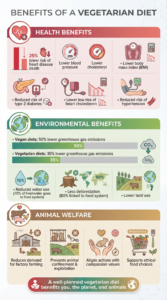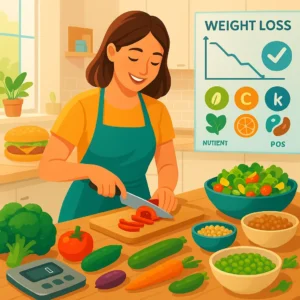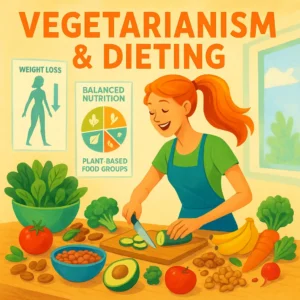
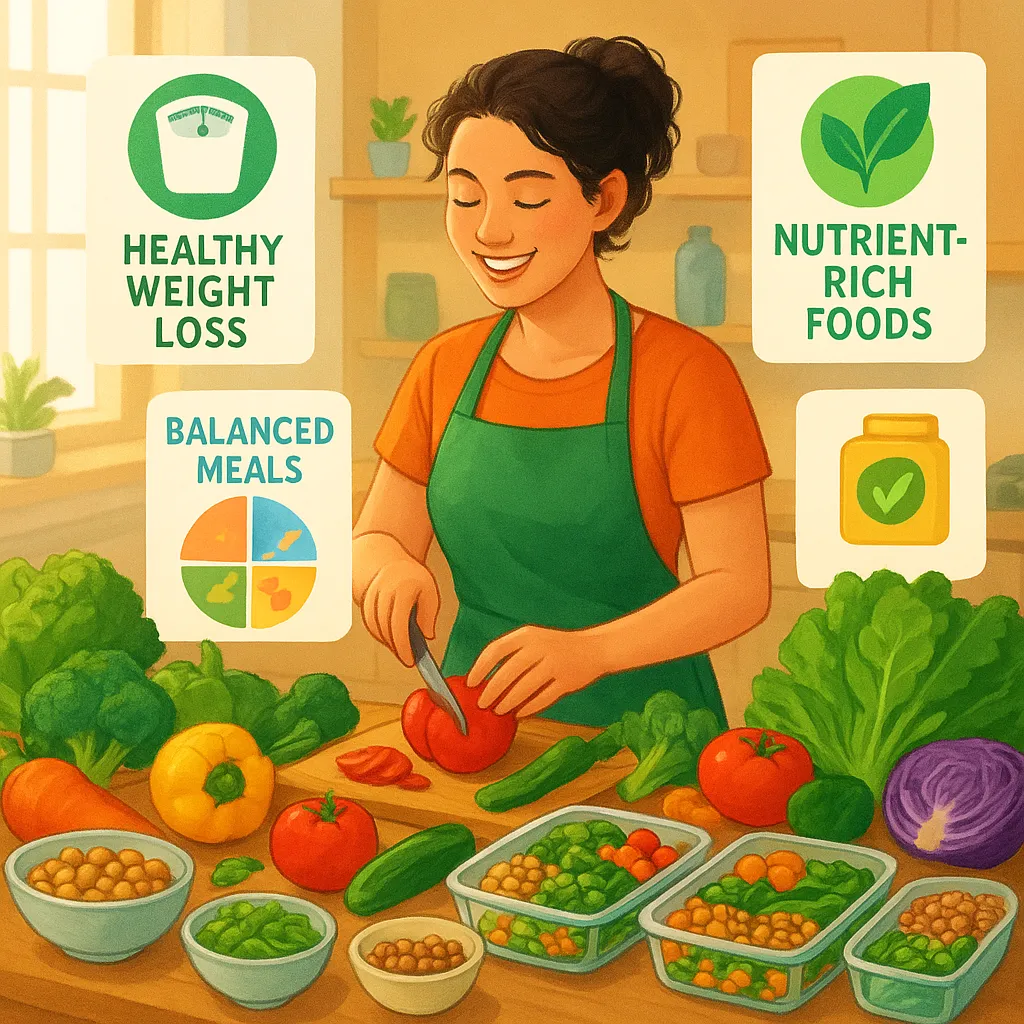
Adopting a vegetarian diet can support healthy weight loss and effective dieting by emphasizing nutrient-dense, fiber-rich foods that promote satiety and reduce calorie intake. By focusing on plant-based foods and minimizing high-calorie animal products, a vegetarian diet often leads to lower overall calorie consumption and improved metabolic health.
—
What Is a Vegetarian Diet?
A **vegetarian diet** is an eating pattern that excludes meat, poultry, and fish, while including a variety of plant-based foods such as vegetables, fruits, legumes, grains, nuts, and seeds. Some variations include:
| Type | Foods Included |
|——————-|————————————————————–|
| Lacto-vegetarian | Plant foods + dairy |
| Ovo-vegetarian | Plant foods + eggs |
| Lacto-ovo | Plant foods + dairy + eggs |
| Vegan | Plant foods only (no animal-derived products at all) |
—
How Does a Vegetarian Diet Promote Weight Loss?
1. Does Eating More Plants Help You Lose Weight?
Yes, eating more plant foods can help you lose weight because these foods are generally lower in calories and higher in fiber compared to most animal-based foods. High fiber intake increases satiety, helping you feel full on fewer calories.
2. Why Is Fiber Important in a Diet for Weight Loss?
Fiber is a key nutrient found abundantly in vegetables, fruits, whole grains, and legumes. It’s digested slowly, which helps control hunger and supports stable blood sugar levels.
**Key Benefits of Fiber for Weight Loss:**
– Promotes fullness and reduces appetite
– Helps control blood sugar spikes
– Supports digestive health
—
What Are the Main Advantages of a Vegetarian Diet for Dieting?
Lower Caloric Density
Plant-based foods are typically less calorie-dense than meats and processed foods.
**For example:**
– 1 cup of cooked lentils: ~230 calories
– 1 cup of cooked ground beef: ~340 calories
High Nutrient Density
Vegetarian diets provide essential vitamins and minerals (like Vitamin C, potassium, folate, and antioxidants) often lacking in standard Western diets.
Reduced Intake of Processed and High-Fat Foods
Vegetarians often eat fewer processed meats and high-saturated-fat products, which are linked to weight gain and metabolic disease.
—
What Are Some Common Plant-Based Foods That Help With Weight Loss?
Here’s a quick list of plant foods that support healthy weight loss:
– **Leafy greens:** Spinach, kale, romaine lettuce
– **Legumes:** Lentils, chickpeas, black beans
– **Whole grains:** Oats, quinoa, brown rice
– **Fruits:** Berries, apples, oranges, pears
– **Vegetables:** Broccoli, carrots, cauliflower, zucchini
– **Nuts and seeds:** Almonds, chia seeds, flaxseeds (in moderation)
—
What Is the Typical Weight Loss Seen With a Vegetarian Diet?
Research suggests that people who adopt vegetarian diets often lose more weight compared to those on non-vegetarian diets.
| Diet Type | Average Weight Loss in 18 Weeks |
|———————|———————————-|
| Vegetarian | 2 – 4 kg (4.4 – 8.8 lbs) |
| Non-vegetarian | 0.8 – 2 kg (1.7 – 4.4 lbs) |
_**Sources:** American Journal of Clinical Nutrition, Obesity Reviews_
—
How Does Vegetarian Dieting Affect Metabolism and Body Composition?
1. Impact on Metabolism
– Plant-based foods are rich in complex carbs, which support balanced blood sugar and insulin sensitivity.
– Lower consumption of saturated fat reduces metabolic risk factors such as high cholesterol and hypertension.
2. Effect on Fat Loss vs. Muscle Loss
When planned well with adequate protein sources (like beans, lentils, tofu, and dairy or eggs), vegetarian diets support fat loss while preserving lean muscle mass.
—
How To Successfully Lose Weight on a Vegetarian Diet?
**Follow these steps for best results:**
1. **Prioritize Whole, Unprocessed Foods:** Limit refined grains, sugary foods, and heavily processed vegetarian products.
2. **Balance Macronutrients:** Ensure adequate protein from legumes, soy, low-fat dairy, or eggs.
3. **Monitor Portions:** Even healthy foods can lead to weight gain if consumed in excess.
4. **Build Filling Meals:** Combine fiber (beans, whole grains) with healthy fats (nuts, avocado) and protein.
—
Are There Risks or Challenges With Vegetarian Dieting for Weight Loss?
Common Challenges:
– **Risk of Nutrient Deficiency:** Vitamin B12, iron, omega-3, and zinc can be low without careful meal planning.
– **Overeating Carbohydrates:** Relying too heavily on refined carbs (white rice, pasta, bread) may offset weight loss benefits.
*How to Address These Challenges:*
– Choose fortified foods or supplements for B12 and iron.
– Include nuts, seeds, and plant oils for healthy fats.
– Monitor carb portions and select high-fiber, whole-food sources.
—
Does a Vegetarian Diet Help Other Aspects of Health Related to Weight Loss?
Yes—other associated benefits include:
– Lower cholesterol levels
– Decreased risk of heart disease and type 2 diabetes
– Better digestive health through enhanced gut bacteria diversity
—
How Does a Vegetarian Diet Compare to Other Weight Loss Diets?
| Diet Type | Focus | Calorie Density | Health Benefits | Sustainability |
|———————–|——————–|—————–|————————|——————|
| Vegetarian | Plant-based foods | Low/Medium | High | High |
| Paleo/Keto | High fat/protein | Medium/High | Variable | Often difficult |
| Mediterranean | Plant and fish | Low/Medium | High | High |
| Standard Western | Processed/meat | High | Low | Low |
—
Addressing Alternative Questions
Can a Vegetarian Diet Help Me Lose Belly Fat?
Yes, the high fiber content and lower calorie density of vegetarian diets often lead to overall fat loss—including visceral (belly) fat—when combined with a calorie deficit.
Is Vegetarian Weight Loss Faster Than Other Diets?
Vegetarian diets can promote gradual, sustainable weight loss. Rapid weight loss is unlikely unless paired with calorie restriction and exercise.
What Is the Best Vegetarian Meal Plan for Losing Weight?
A meal plan with whole grains, plenty of vegetables, well-balanced proteins, and limited processed foods works best. Example:
**Example Day:**
– Breakfast: Oatmeal with berries and almonds
– Lunch: Chickpea salad with spinach, cucumber, and tomatoes
– Snack: Greek yogurt or fruit
– Dinner: Lentil curry with brown rice and steamed broccoli
—
Frequently Asked Questions (FAQ)
1. Can you eat too many calories on a vegetarian diet?
Yes, it’s possible to overeat on vegetarian foods, especially refined grains, processed snacks, and high-fat plant foods. Portion control is important.
2. Do you need to supplement on a vegetarian diet?
Some vegetarians need supplements for vitamin B12, iron, and omega-3 fatty acids, particularly if eating vegan.
3. Is it harder to get enough protein for weight loss as a vegetarian?
Not necessarily. Good vegetarian sources include beans, lentils, tofu, tempeh, eggs, dairy, and peas, which can meet daily protein needs.
4. Can a vegetarian diet improve metabolism?
Yes. The high fiber and phytonutrient content in plant foods can improve insulin sensitivity and metabolic health.
5. What are common mistakes when trying to lose weight on a vegetarian diet?
Relying on refined carbs, processed meat substitutes, and skipping protein-rich foods can hinder weight loss and nutrient intake.
6. How can I start a vegetarian diet for weight loss?
Begin by replacing meat with plant proteins, increasing vegetable intake, choosing whole grains, and planning balanced meals.
7. Is a vegetarian diet suitable for everyone?
Most people can safely adopt a vegetarian diet, but individuals with certain health conditions should consult a registered dietitian or healthcare provider.
—
Key Takeaways
– **A vegetarian diet can promote healthy, sustainable weight loss** due to lower calorie density, high fiber, and improved nutrient intake.
– Focusing on variety, balanced meal planning, and whole foods maximizes benefits while minimizing potential deficiencies.
– **Long-term success comes from consistent habits and a holistic approach**, including physical activity.
**Related entities:** Plant-based diets, calorie deficit, fiber, metabolism, protein sources, nutrient density, obesity, heart health, insulin resistance
—
“`