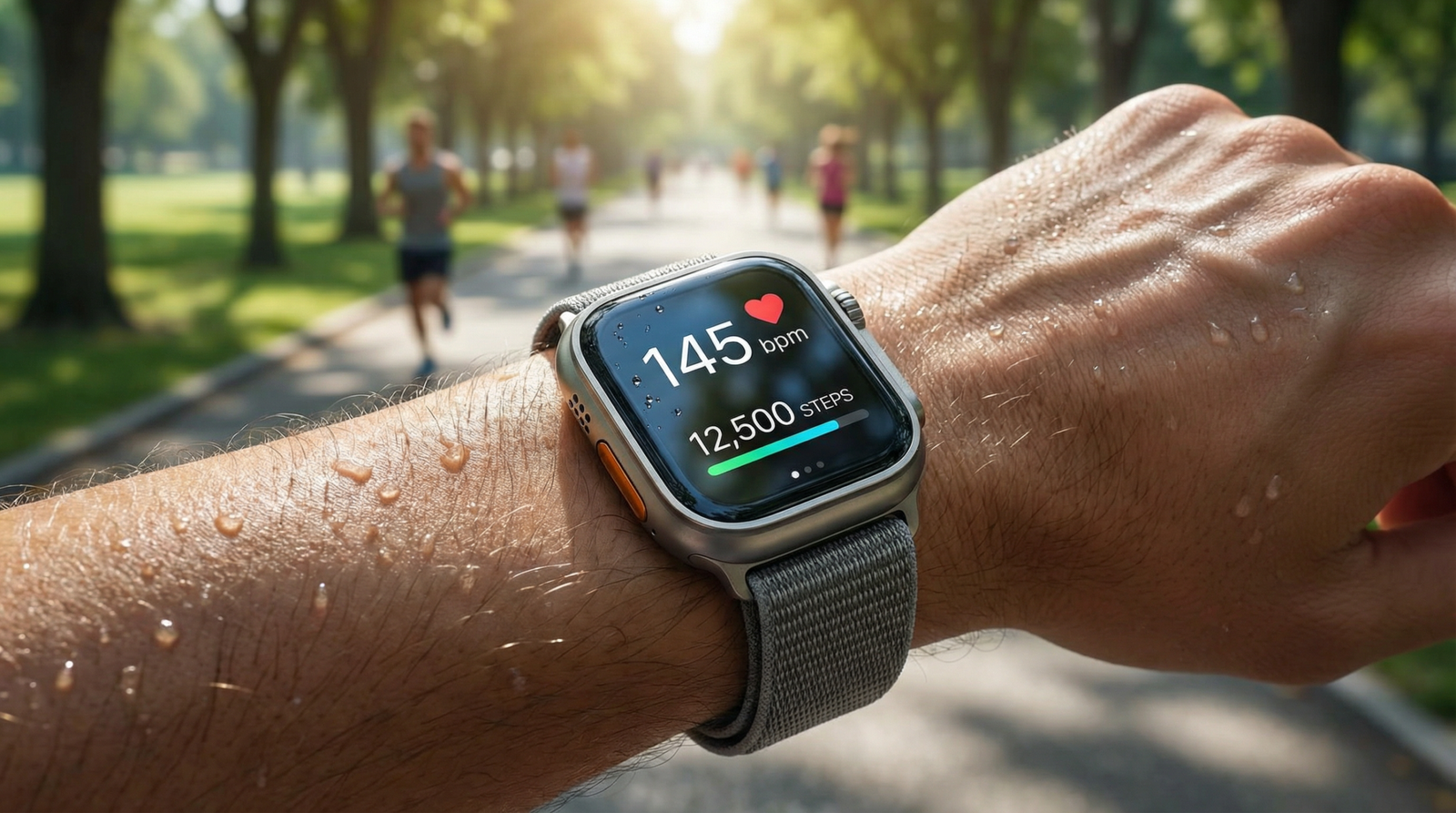
In the modern era, weight loss is no longer just about pen-and-paper food diaries or guessing calorie burns. A vast ecosystem of technologies—from wearable trackers to smart scales and metabolic analyzers—has emerged to support individuals in their health journeys. These tools offer unprecedented visibility into our bodies, turning abstract concepts like “metabolism” and “activity” into actionable data.
This article provides an overview of the current landscape of weight loss technology. It explores how these gadgets assist with tracking, monitoring, and motivation, while also addressing the limitations and best practices for integrating them into a sustainable routine.
What Weight Loss Technology Is (and What It Isn’t)
Weight loss technology refers to the hardware and software designed to measure, track, and analyze health metrics related to body composition, energy expenditure, and nutritional intake. This includes:
•Wearables: Devices worn on the body (like watches or rings) that track movement, heart rate, and sleep .
•Smart Scales: Devices that measure weight and estimate body composition metrics like body fat percentage and muscle mass .
•Mobile Apps: Software for logging food, tracking workouts, and providing coaching or community support .
•Metabolic Trackers: Newer devices that analyze breath to estimate metabolic fuel usage (carbs vs. fats) .
It is not a magic solution that does the work for you. A fitness tracker cannot burn calories, and a food app cannot cook a healthy meal. These tools are mirrors, not motors—they reflect your habits but require your effort to change them .
Why It Matters: The Power of Data and Feedback
The primary value of these technologies lies in their ability to provide objective feedback and foster self-awareness.
•Objective Tracking: We often underestimate how much we eat and overestimate how much we move. Tech provides a reality check, offering precise data on steps, active minutes, and caloric intake .
•Behavioral Reinforcement: Real-time feedback—like a vibration when you’ve been sitting too long or a badge for hitting a step goal—can reinforce positive behaviors and prompt immediate action .
•Trend Analysis: Smart scales and apps visualize long-term trends, helping users see progress that might be invisible on a day-to-day basis, which is crucial for maintaining motivation during plateaus .
Key Concepts Readers Must Understand
To use these tools effectively, it is important to understand what they are actually measuring.
•Accuracy vs. Consistency: Most consumer devices are not 100% accurate in measuring absolute calorie burn or body fat percentage. However, they are generally consistent. If your tracker says you burned 2,000 calories today and 2,500 tomorrow, the relative difference is likely reliable, even if the absolute numbers are slightly off .
•The “Hawthorne Effect”: This is the phenomenon where individuals modify an aspect of their behavior in response to their awareness of being observed. Simply wearing a tracker can subconsciously encourage you to move more because you know “it counts” .
•Gamification: Many apps use game-like elements—streaks, leaderboards, and challenges—to tap into our psychological desire for achievement and social connection, which can significantly boost adherence .
Step-by-Step: How to Approach Weight Loss Tech

Integrating technology into your routine should be a deliberate process, not just a shopping spree.
1. Define Your Needs
Do you need accountability for movement? A wearable is best. Do you struggle with portion control? A food logging app is the priority. Match the tool to your specific barrier .
2. Establish a Baseline
Before trying to change everything, use your device for a week just to observe your normal habits. See how many steps you actually take or how much you sleep. This baseline data is invaluable for setting realistic goals .
3. Focus on One Metric at a Time
Data overload is real. Instead of trying to optimize steps, sleep, calories, and macros all at once, pick one metric to improve. Once that becomes a habit, layer in another .
Common Pitfalls and How to Avoid Them
•Obsessing Over the Numbers: It is easy to get discouraged if you miss a goal by a small margin. Remember that these devices are tools for guidance, not judgment. A “bad” data day does not define your worth or your progress .
•The “Moral Licensing” Trap: Seeing a high calorie burn on your watch might tempt you to “eat back” those calories. Because trackers often overestimate burn, this can stall weight loss. Treat exercise calories as a bonus, not a budget increase .
•Data Fatigue: Tracking everything every day can be exhausting. If you feel burnt out, switch to “maintenance mode”—tracking only a few days a week or focusing on just one key habit .
Options and Approaches: Comparing Tradeoffs
Different categories of tech offer different benefits.
|
Category
|
Examples
|
Pros
|
Cons
|
|
Wearable Trackers
|
Fitbit, Garmin, Apple Watch
|
Passive tracking (set and forget); real-time movement reminders; heart rate data .
|
Can be expensive; battery life varies; accuracy of calorie burn is an estimate.
|
|
Smart Scales
|
Withings, Eufy, Renpho
|
Tracks body composition (fat/muscle) beyond just weight; syncs data automatically .
|
Body fat readings can fluctuate with hydration; can trigger anxiety for some users.
|
|
Tracking Apps
|
MyFitnessPal, Lose It!, Cronometer
|
Comprehensive food databases; barcode scanning; educational content .
|
Requires active manual entry (time-consuming); relies on user honesty/accuracy.
|
|
Metabolic Devices
|
Lumen
|
Personalized insights on fuel usage; coaches metabolic flexibility .
|
High cost; requires consistent breath testing; newer technology with less long-term data.
|
Practical Checklist
Use this checklist to get the most out of your weight loss gadgets:
FAQs
Q: Are fitness trackers accurate for calorie burn?
A: Not perfectly. They provide a good estimate, but studies show they can be off by 20% or more. Use the number as a relative guide rather than an absolute truth .
Q: Do I really need a smart scale?
A: No, a regular scale works fine for weight. However, a smart scale can be motivating if you want to track changes in body composition, like seeing muscle mass increase even if weight stays the same .
Q: Can technology replace a personal trainer or dietitian?
A: For many people, apps provide enough guidance. However, technology lacks the human element of empathy and personalized problem-solving that a professional provides, especially for complex health issues .
Conclusion
Technology and gadgets can be powerful allies in a weight loss journey, offering the data and accountability needed to turn vague intentions into concrete habits. Whether it is a wrist-worn tracker nudging you to take a walk or an app helping you understand your eating patterns, these tools bridge the gap between knowing what to do and actually doing it.
Next Step: Choose one piece of technology you already own (like a smartphone health app) or are interested in. Commit to using it consistently for just one week to track a single habit—like daily steps or water intake—without judging the results. Let the data tell you a story about your current lifestyle.
References