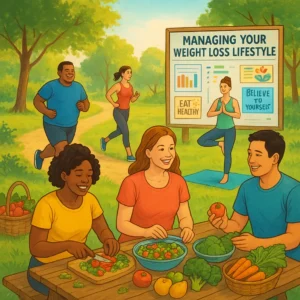
Embarking on a weight loss journey is a significant commitment to improving one’s health. However, the path is often complicated by fad diets and exaggerated claims that promise rapid results, frequently leading to disappointment and a cycle of weight loss and regain. A more effective strategy is rooted in setting realistic, evidence-based goals.
This article provides a thorough guide to setting and achieving realistic weight loss goals for individuals seeking long-term success. By focusing on established guidelines and the psychological aspects of goal setting, readers will learn how to create a personalized, sustainable plan based on individual factors like body composition, lifestyle, and overall health.
What Realistic Weight Loss Is (and What It Isn’t)
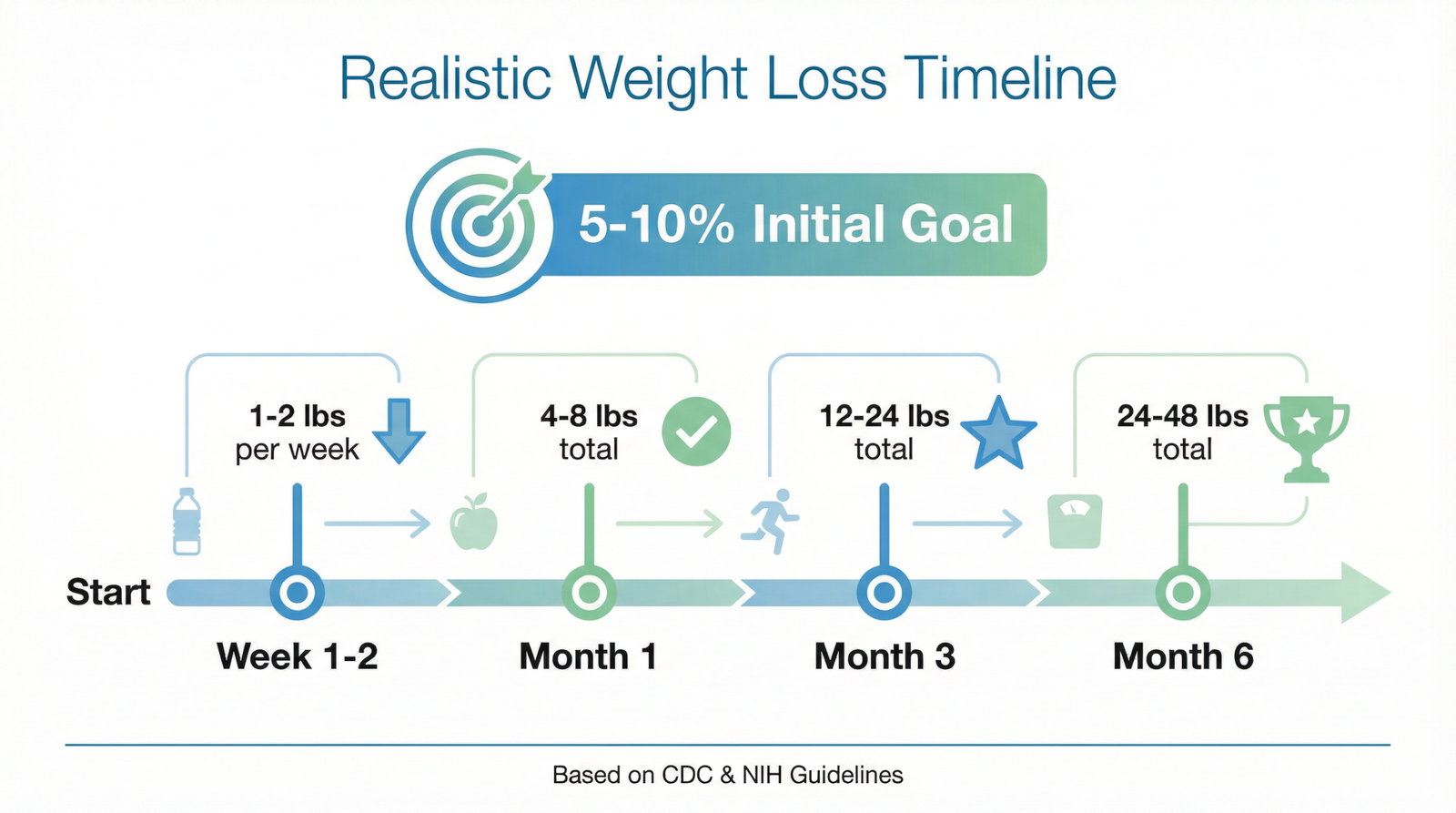
Realistic weight loss is a gradual, steady process focused on sustainable lifestyle changes rather than rapid, temporary fixes. According to the Centers for Disease Control and Prevention (CDC), individuals who lose weight at a pace of about 1 to 2 pounds per week are more likely to keep the weight off long-term . This rate is supported by other health authorities, including the Mayo Clinic and the National Institutes of Health (NIH) . This recommended pace corresponds to creating a calorie deficit of approximately 500 to 1,000 calories per day through a combination of dietary adjustments and increased physical activity .
Conversely, realistic weight loss is not about pursuing the dramatic, often unsustainable results promised by many commercial programs. Setting goals like losing 20 pounds in two weeks is considered unrealistic and can lead to feelings of defeat and frustration when they are not met .
Why It Matters and When It’s Useful
Setting achievable goals is fundamental to success because it directly impacts motivation and psychological well-being. Research shows that participants in weight-loss programs often have unreasonably high expectations. According to a study published in Eating Behaviors, the failure to achieve lofty benefits can contribute to poor long-term maintenance of lost weight .
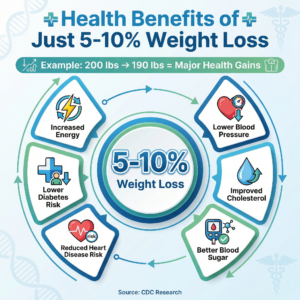
Even modest weight loss provides significant health benefits. The CDC notes that losing just 5% of your body weight can improve blood pressure, cholesterol, and blood sugar levels, thereby lowering the risk for chronic diseases like heart disease and type 2 diabetes . For a 200-pound individual, this is a loss of just 10 pounds. The NIH clinical guidelines also recommend an initial goal of reducing body weight by approximately 10 percent from baseline, a target that has been shown to be achievable in well-designed programs . Focusing on these attainable milestones helps build momentum and self-efficacy.
Key Concepts Readers Must Understand
To effectively set realistic goals, it is important to grasp a few core concepts that guide the process.
Outcome vs. Action Goals
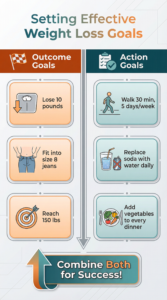
The Mayo Clinic distinguishes between two types of goals . An outcome goal is the final result you want to achieve (e.g., “Lose 10 pounds”). An action goal is a specific behavior you will implement to reach your outcome (e.g., “Walk for 30 minutes, five days a week”). A successful plan integrates both. The outcome goal provides the destination, while action goals provide the clear, manageable steps to take.
Percentage-Based Goals
Health authorities often frame initial goals as a percentage of starting body weight. A starting goal of 5% to 10% is widely recommended . While a 2023 study in the Journal of Medical Internet Research found that setting goals greater than 10% was associated with larger weight loss, it is crucial to balance ambition with attainability to avoid dropout . For most people, starting with a 5-10% target is a proven strategy.
Individual Factors
Weight management is not a one-size-fits-all endeavor. The CDC points out that numerous factors influence a person’s ability to lose weight, including genetics, age, existing medical conditions, medications, hormonal imbalances, environmental factors, stress levels, and sleep patterns . Because of these variables, what works for one person may not work for another. Consulting with a healthcare provider or a registered dietitian is essential to develop a plan that accounts for your unique health profile and lifestyle.
Step-by-Step: How to Aproach and Implement Realistic Goals
Here is a structured approach to setting and working toward your weight loss goals.
- Assess Your Readiness – Before starting, the Mayo Clinic advises taking an honest look at your readiness to commit to long-term changes . Ask yourself: Am I truly motivated to make permanent lifestyle changes? Do I have the time and energy to dedicate to this process? How do I currently cope with stress? If you are facing significant life pressures or are not mentally prepared, it may be better to address those issues first.
- Define Your “Why” – The CDC suggests writing down the reasons you want to lose weight . A 2023 study found that individuals motivated by health or fitness were more likely to achieve greater weight loss and less likely to drop out of a program than those motivated by appearance . Keep your reasons visible as a daily reminder.
- Set Your Initial Outcome and Action Goals – Start with an outcome goal of losing 5% to 10% of your current body weight . Then define 2-3 specific, measurable action goals. For example: “I will replace sugary drinks with water on weekdays,” “I will incorporate one serving of vegetables into every dinner,” or “I will walk for 20 minutes three times per week.”
- Track Your Progress and Stay Accountable – Monitor your behaviors (food intake, physical activity) and your outcomes (weight). Occasional setbacks are a normal part of the process. The key is to get back on track quickly without judgment . Sharing your goals with a supportive friend, family member, or healthcare professional can help with accountability.
- Re-evaluate and Adjust – As you meet your initial goals, you can set new ones. If you successfully lose 5-10% of your weight and maintain it, you can decide whether to pursue further weight loss . The journey is dynamic, and your goals should evolve with your progress.
Common Pitfalls and How to Avoid Them
- All-or-Nothing Thinking: Believing that one dietary slip-up means failure.
- Practice self-compassion and return to your plan at the next meal.
- Focusing Only on the Scale: Weight can fluctuate daily.
- Measure progress in other ways, such as how your clothes fit, increased energy levels, or improvements in blood pressure.
- Comparing Your Journey to Others: Individual factors mean progress will vary.
- Focus on your own journey and personal health improvements.
Options and Approaches: Comparing Tradeoffs
- When setting weight loss goals, individuals can choose between different approaches based on their circumstances.
- Aggressive vs. Moderate Goals: While some research suggests that setting higher goals (greater than 10% weight loss) can lead to larger losses , this must be balanced against the risk of dropout and frustration. Moderate goals (5-10%) offer a safer, more sustainable starting point for most individuals.
- Self-Directed vs. Professionally Guided: Self-directed programs using apps and online resources can work for motivated individuals with no underlying health conditions. However, those with medical issues, significant weight to lose, or a history of unsuccessful attempts may benefit from working with a healthcare provider or registered dietitian.
- Diet-Focused vs. Exercise-Focused: The Mayo Clinic notes that while you can lose weight without exercise, it is harder to do, and exercise is crucial for maintaining weight loss .
- The most effective approach combines both dietary changes and regular physical activity.
Practical Checklist
•Consult a healthcare professional to discuss your weight loss goals.
•Write down your primary motivations for wanting to lose weight.
•Calculate your initial 5-10% weight loss goal.
•Set 2-3 specific, measurable action goals related to diet and physical activity.
•Choose a method for tracking your progress.
•Identify a support system.
•Plan non-food rewards for when you meet your short-term goals.
FAQs
- How fast is too fast to lose weight? Losing more than 2 pounds per week consistently is generally considered too fast and may lead to muscle loss, nutrient deficiencies, and a higher likelihood of weight regain. According to the NIH, a rate of 1-2 pounds per week is recommended for the first six months .
- What if I have a lot of weight to lose? Is a 10% goal enough? A 10% goal is an initial target. It is a meaningful and achievable first step that yields significant health benefits. After achieving and maintaining this loss, you and your healthcare provider can assess the need for further weight loss.
- Can I lose weight without exercise? Yes, but it is more difficult, and exercise is crucial for maintaining weight loss. Studies show people who successfully maintain their weight loss over the long term engage in regular physical activity.
- What if I’m not losing weight despite setting realistic goals? If you are consistently meeting your action goals but not seeing results, consult with a healthcare provider or registered dietitian. There may be underlying factors that need to be addressed, or your calorie and activity targets may need adjustment.
- How do I stay motivated when progress is slow? Focus on non-scale victories such as improved energy, better sleep, or enhanced mood. Celebrate meeting your action goals regardless of the number on the scale.
- Should I tell others about my weight loss goals? Research suggests that having a support system can improve outcomes . However, choose your confidants carefully. Share your goals with people who will encourage you without judgment.
Conclusion
Successfully losing weight and keeping it off is more about strategy and mindset than it is about willpower alone. Setting realistic, evidence-based goals provides the foundation for a sustainable journey. By understanding the principles of gradual progress and tailoring goals to your individual circumstances, you can enhance your motivation and improve your chances of long-term success.
Key takeaways from this guide include: aim for a gradual weight loss of 1 to 2 pounds per week; set an initial outcome goal of losing 5% to 10% of your body weight; focus on specific, measurable action goals that define your daily behaviors; recognize that individual factors require a personalized approach; and treat setbacks as learning opportunities, not failures.
The clear next step is to move from learning to action. Use the practical checklist provided to consult with a healthcare professional and begin outlining your personalized outcome and action goals. This structured, evidence-based approach is your most reliable path to achieving a healthier weight for the long term.
References