Introduction
In the crowded landscape of weight loss plans, the DASH (Dietary Approaches to Stop Hypertension) diet stands out not as a fleeting trend, but as a robust, scientifically-backed eating pattern with decades of research supporting its efficacy. Originally designed to combat high blood pressure, the DASH diet has proven to be a powerful tool for weight management and overall cardiovascular health. This article provides a thorough, evidence-based exploration of the DASH diet, moving beyond the hype to detail its core principles, food recommendations, and practical application for sustainable weight loss.
The Core Principles of the DASH Diet
The DASH diet is not a restrictive, short-term diet but rather a flexible and balanced eating plan designed to be a lifelong nutritional strategy. Its primary goal is to lower blood pressure, but its principles naturally align with healthy weight management. The diet was first introduced in 1996 and has since been consistently ranked as one of the best diets for overall health by U.S. News & World Report .
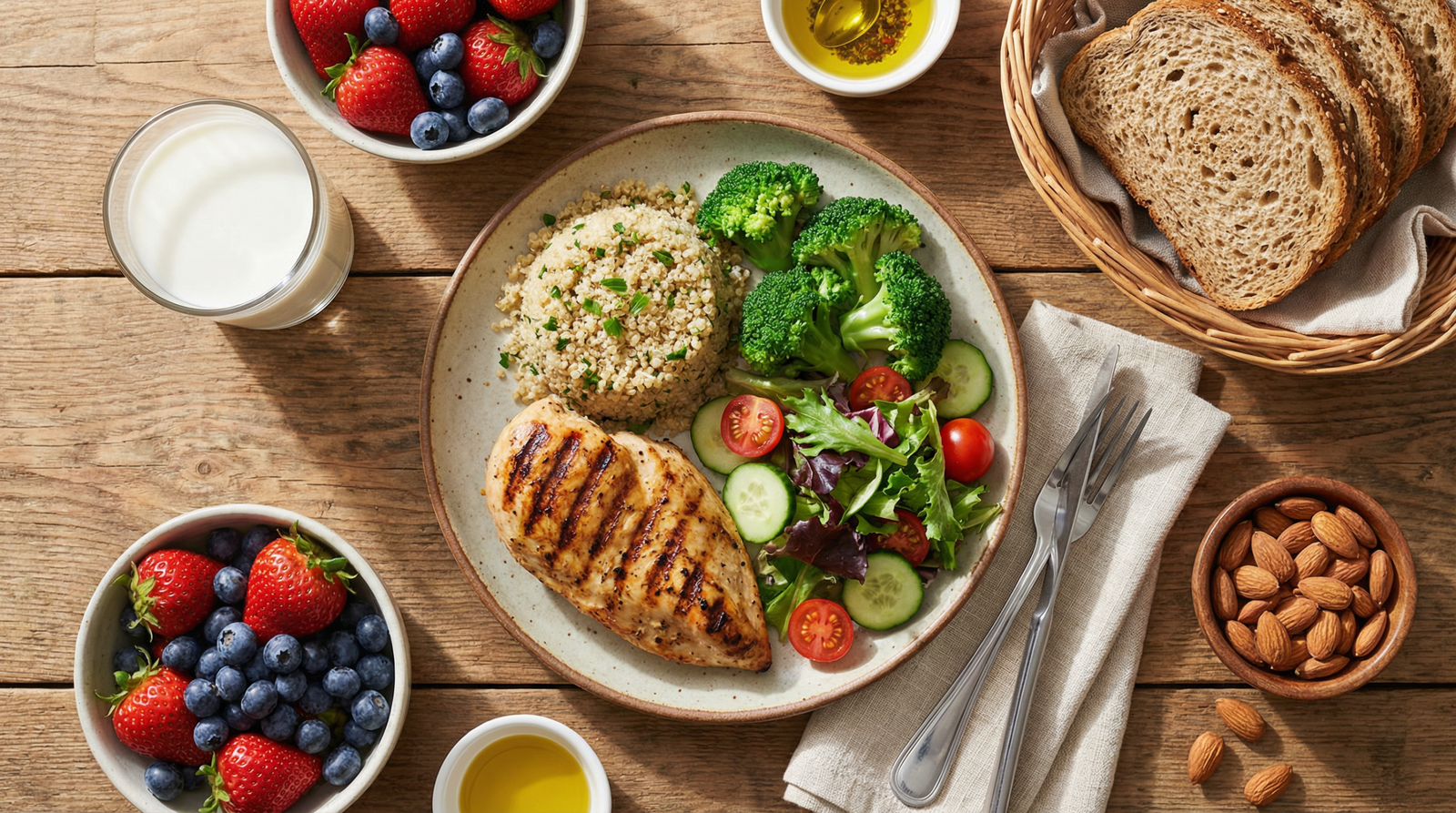
The foundation of the DASH diet is an emphasis on whole foods that are rich in nutrients known to support health, such as potassium, calcium, magnesium, fiber, and protein. It is characterized by:
•High intake of fruits and vegetables
•Emphasis on whole grains
•Inclusion of lean proteins, poultry, and fish
•Regular consumption of low-fat or fat-free dairy products
•Inclusion of nuts, seeds, and legumes
Simultaneously, the diet recommends limiting the intake of foods that can negatively impact health, particularly:
•Sodium (salt)
•Saturated and trans fats
•Red and processed meats
•Sugar-sweetened beverages and sweets
DASH for Weight Loss: The Scientific Evidence
While the DASH diet was not initially designed for weight loss, numerous studies have demonstrated its effectiveness in this area. A meta-analysis of clinical trials found that individuals following the DASH diet achieved significant reductions in body weight, body mass index (BMI), and waist circumference compared to control groups . The research shows an average weight loss of approximately 1.59 kilograms and a BMI reduction of 0.64 kg/m² when compared to standard American diets.
The mechanisms behind its effectiveness for weight loss are multifaceted and well-supported by scientific evidence. The emphasis on fruits, vegetables, and whole grains provides a high volume of food with fewer calories and a high fiber content. This promotes satiety, helping you feel full and satisfied on fewer calories. The fiber content also supports healthy digestion and helps regulate blood sugar levels, which can reduce cravings and overeating.
Additionally, by focusing on nutrient-dense foods, the DASH diet helps ensure the body receives the vitamins and minerals it needs, which can help regulate appetite and metabolism. Unlike highly restrictive diets that often lead to nutrient deficiencies and rebound weight gain, DASH is a flexible eating pattern that can be adapted to individual preferences, making it easier to adhere to long-term. This sustainability is a key factor in successful, lasting weight management. Many individuals find that the DASH diet is not a temporary solution but rather a lifestyle change they can maintain indefinitely.
A Closer Look at Food Groups and Servings
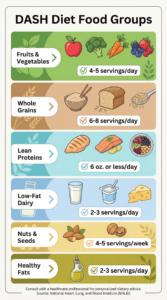
The DASH diet provides clear recommendations for the number of servings from each food group, typically based on a 2,000-calorie-a-day plan. This structure helps ensure a balanced intake of all necessary nutrients.
|
Food Group
|
Daily Servings (2,000 Calories)
|
Serving Size Examples
|
|
Grains
|
6-8
|
1 slice bread, 1/2 cup cooked rice/pasta, 1 oz dry cereal
|
|
Vegetables
|
4-5
|
1 cup raw leafy greens, 1/2 cup cooked vegetables
|
|
Fruits
|
4-5
|
1 medium fruit, 1/2 cup fresh/frozen fruit, 1/4 cup dried fruit
|
|
Low-Fat/Fat-Free Dairy
|
2-3
|
1 cup milk/yogurt, 1.5 oz cheese
|
|
Lean Meats, Poultry, Fish
|
6 oz or less
|
1 oz cooked meat, 1 egg
|
|
Nuts, Seeds, Legumes
|
4-5 per week
|
1/3 cup nuts, 2 tbsp seed/nut butter, 1/2 cup cooked legumes
|
|
Fats and Oils
|
2-3
|
1 tsp olive oil, 1 tbsp low-fat mayonnaise, 2 tbsp light dressing
|
|
Sweets and Added Sugars
|
5 or less per week
|
1 tbsp sugar/jam, 1/2 cup sorbet
|
Source: National Heart, Lung, and Blood Institute (NHLBI)
Practical Tips for Following the DASH Diet for Weight Loss
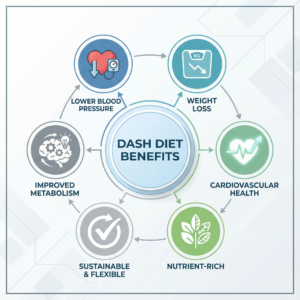
Adopting the DASH diet is a gradual process that works best when implemented thoughtfully. Here are some practical, evidence-based tips to help you get started and stay on track:
Start with Small Changes. You don’t have to overhaul your diet overnight. Begin by adding one extra serving of vegetables to your lunch and dinner. The following week, focus on swapping refined grains for whole grains. This gradual approach helps your taste buds adjust and makes the transition more sustainable. Research shows that people who make gradual dietary changes are more likely to maintain them long-term.
Plan Your Meals. Meal planning is a powerful tool for success. Take some time each week to plan your meals and create a grocery list. This will help you stay on track and avoid impulsive, unhealthy food choices. When you know what you’re going to eat, you’re less likely to reach for convenience foods high in sodium and saturated fat.
Be a Smart Shopper. When grocery shopping, focus on the perimeter of the store, where fresh produce, lean proteins, and dairy are typically located. Read food labels carefully to choose low-sodium and low-sugar options. Pay particular attention to sodium content, as many processed foods contain hidden sodium that can quickly exceed daily limits.
Cook at Home More Often. Cooking at home gives you complete control over the ingredients in your meals, making it easier to limit sodium, unhealthy fats, and added sugars. Restaurant meals often contain significantly more sodium and calories than home-prepared meals.
Flavor Foods Without Salt. Experiment with herbs, spices, lemon juice, vinegar, and salt-free seasoning blends to add flavor to your food without relying on salt. Many people find that after a few weeks of reduced salt intake, their taste buds adjust and they actually prefer the taste of less-salty foods.
Stay Hydrated. Drinking plenty of water throughout the day supports weight loss and overall health. Sometimes thirst is mistaken for hunger, so staying well-hydrated can help prevent overeating.
DASH-Friendly Recipe Ideas
Following the DASH diet can be delicious and satisfying. Here are a few simple recipe ideas to get you started:
Breakfast: Oatmeal with Berries and Nuts
•Ingredients: 1/2 cup rolled oats, 1 cup water or low-fat milk, 1/2 cup mixed berries (fresh or frozen), 1 tablespoon chopped walnuts.
•Instructions: Cook the oats with water or milk. Top with berries and walnuts.
Lunch: Grilled Chicken Salad
•Ingredients: 3-4 oz grilled chicken breast (sliced), 2 cups mixed greens, 1/2 cup cherry tomatoes, 1/4 cup cucumber, 2 tablespoons light vinaigrette dressing.
•Instructions: Combine all ingredients in a large bowl and toss with dressing.
Dinner: Baked Salmon with Roasted Vegetables
•Ingredients: 4 oz salmon fillet, 1 cup broccoli florets, 1/2 cup sliced bell peppers, 1 teaspoon olive oil, herbs (dill, parsley).
•Instructions: Toss vegetables with olive oil and roast at 400°F (200°C) for 15-20 minutes. Season salmon with herbs and bake for the last 10-12 minutes of cooking time.
Understanding Sodium Reduction
One of the key components of the DASH diet is sodium reduction. The standard DASH plan recommends limiting sodium to 2,300 milligrams per day, while a lower-sodium version restricts intake to 1,500 milligrams daily. This reduction in sodium intake not only supports weight loss but also helps lower blood pressure and reduce cardiovascular risk.
When first reducing sodium intake, foods may taste bland. However, research shows that taste buds adapt within 2-3 weeks of reduced salt consumption. During this adjustment period, using herbs, spices, and other flavorings helps maintain satisfaction with meals. Fresh herbs like basil, cilantro, and parsley, along with spices such as cumin, paprika, and black pepper, can dramatically enhance the flavor of foods without adding sodium.
Conclusion
The DASH diet offers a refreshing, evidence-based alternative to restrictive weight loss fads. Its focus on a balanced intake of whole, nutrient-dense foods not only supports weight management but also delivers profound benefits for cardiovascular health. By promoting a sustainable and flexible eating pattern, the DASH diet empowers individuals to make lasting changes that support long-term health and well-being. The research supporting the DASH diet is robust and consistent, with studies demonstrating its effectiveness for weight loss, blood pressure reduction, and overall cardiovascular health improvement.
If you are looking for a weight loss approach that is grounded in science, prioritizes overall health, and can be maintained indefinitely, the DASH diet is an excellent and highly recommended choice. Unlike fad diets that promise quick results, the DASH diet offers sustainable, long-term health benefits that extend far beyond the scale.
References
[2] National Heart, Lung, and Blood Institute. (2025, January 10 ). DASH Eating Plan. Retrieved from