

Introduction
The ketogenic diet, often referred to as the “keto” diet, has surged in popularity as a weight loss strategy. While it may seem like a modern trend, its roots are firmly planted in clinical medicine, where it has been used for over a century to manage specific health conditions. This article provides a thorough, evidence-based exploration of the ketogenic diet as a weight loss approach. We will delve into its core principles, detail the necessary food restrictions, discuss its potential benefits and risks, and offer practical, actionable tips for anyone considering this dietary path. Our goal is to move beyond the hype and present a balanced, professional perspective grounded in scientific research.
The Principles of the Ketogenic Diet
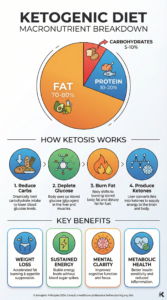
The fundamental principle of the ketogenic diet is to shift the body’s metabolic state from using carbohydrates for energy to using fat. This metabolic state is known as nutritional ketosis.
Under normal circumstances, the body breaks down carbohydrates into glucose, which is the primary source of fuel for our cells, especially the brain. When carbohydrate intake is drastically reduced to less than 50 grams per day, the body’s glucose reserves are depleted within a few days . In response, the body begins to break down stored fat into molecules called ketone bodies. These ketones then become the primary energy source for the brain, muscles, and other tissues .
To achieve and maintain ketosis, the diet requires a specific macronutrient distribution:
•High Fat: Approximately 70-80% of total daily calories.
•Moderate Protein: Around 10-20% of total daily calories.
•Very Low Carbohydrate: Typically 5-10% of total daily calories.
This high-fat, moderate-protein, and very-low-carbohydrate ratio is the cornerstone of the diet and is what distinguishes it from other low-carbohydrate plans like the Atkins diet, which often features a higher protein intake.
Navigating Food Choices on a Ketogenic Diet
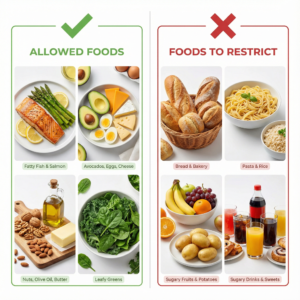
Adhering to the ketogenic diet requires careful attention to food choices to maintain the correct macronutrient balance. The focus is on whole, unprocessed foods that are high in healthy fats, moderate in protein, and very low in carbohydrates.
|
Foods to Include
|
Foods to Restrict
|
|
Healthy Fats: Avocado, olive oil, coconut oil, nuts, seeds, fatty fish
|
Grains: Wheat, rice, corn, oats, bread, pasta, cereal
|
|
Protein Sources: Meat, poultry, fish, eggs, tofu
|
Sugars: Honey, maple syrup, agave, all forms of sugar
|
|
Low-Carb Vegetables: Leafy greens, broccoli, cauliflower, zucchini, bell peppers
|
Starchy Vegetables: Potatoes, sweet potatoes, corn, peas
|
|
Dairy: Full-fat cheese, butter, heavy cream (in moderation)
|
Most Fruits: Bananas, apples, oranges, grapes (berries are an exception)
|
|
Berries: Blackberries, raspberries, strawberries (in small portions)
|
Legumes: Beans, lentils, chickpeas, peanuts
|
|
Beverages: Water, unsweetened coffee, unsweetened tea
|
Sweetened Beverages: Soda, fruit juice, sports drinks
|
Adapting Recipes for a Ketogenic Lifestyle
Many traditional recipes can be adapted to fit a ketogenic diet with a few creative substitutions:
•Flour Substitute: Use almond flour or coconut flour in place of wheat flour for baking.
•Rice Substitute: Grated cauliflower, or “cauliflower rice,” is an excellent low-carb alternative to rice.
•Pasta Substitute: Zucchini noodles (“zoodles”), spaghetti squash, or shirataki noodles can be used in place of traditional pasta.
•Sweetener Substitute: Use non-nutritive sweeteners like stevia, erythritol, or monk fruit in place of sugar.
Potential Benefits of the Ketogenic Diet
While primarily known for weight loss, the ketogenic diet has been studied for a range of potential health benefits, supported by clinical evidence. It is important to note that while the research is promising, the diet is not a universal solution and results vary significantly among individuals based on genetics, lifestyle, and adherence.
Weight Loss
Multiple studies have shown that the ketogenic diet can be an effective tool for weight loss, particularly in the short term . Several mechanisms contribute to this effect. First, ketones have been shown to have an appetite-suppressing effect, leading to a natural reduction in calorie intake without the constant hunger often associated with traditional calorie restriction. Second, the high-fat and moderate-protein content of the diet promotes feelings of fullness and satiety, which helps reduce overall food consumption. Third, by shifting the body’s metabolism to ketosis, the diet encourages the use of stored body fat for energy rather than relying on glucose from carbohydrates.
It is worth noting that initial weight loss on the ketogenic diet is often rapid, but much of this is water weight. As the body adapts to ketosis and depletes its glycogen stores, water is released. After this initial phase, weight loss typically continues but at a more moderate pace.
Metabolic Health
Research indicates that the ketogenic diet can lead to significant improvements in several markers of metabolic health. By severely restricting carbohydrates, the diet can lower blood sugar and insulin levels, making it a potential therapeutic option for individuals with type 2 diabetes . This is particularly important because improved insulin sensitivity can help prevent or manage metabolic syndrome and reduce the risk of developing type 2 diabetes in at-risk individuals.
Many studies report a significant decrease in triglycerides and an increase in HDL (“good”) cholesterol levels . Additionally, some research suggests improvements in blood pressure and reduced inflammation markers. These metabolic improvements may contribute to better cardiovascular health, though long-term studies on cardiovascular outcomes are still ongoing.
Other Clinical Applications
The ketogenic diet’s only universally accepted, guideline-supported indication is for the management of drug-resistant epilepsy, particularly in children . However, emerging research is exploring its potential role in other areas, including neurodegenerative diseases like Alzheimer’s and Parkinson’s, polycystic ovary syndrome (PCOS), and even as an adjunct therapy in some cancers. It is important to note that this research is still in its early stages.
Practical Tips for Getting Started
Transitioning to a ketogenic diet requires planning and preparation. Here are some practical tips to help you get started:
Consult a Healthcare Professional. Before starting any new diet, especially one as restrictive as the ketogenic diet, it is essential to speak with a doctor or registered dietitian. They can help you determine if the diet is appropriate for you, assess your current health status, and guide you through the process safely. This is particularly important if you have existing health conditions or take medications that may interact with dietary changes.
Plan Your Meals and Track Macronutrients. Meal planning is crucial for success on the keto diet. Take time each week to plan your meals and snacks to ensure you are meeting your macronutrient targets. Many people find it helpful to use a food tracking app to monitor their fat, protein, and carbohydrate intake during the initial adaptation phase. Once you become familiar with keto-friendly foods and portion sizes, tracking becomes less necessary.
Stay Hydrated and Replenish Electrolytes. In the initial stages of the ketogenic diet, the body loses water and electrolytes as it depletes its glycogen stores. It is important to drink plenty of water and ensure you are getting enough sodium, potassium, and magnesium to avoid symptoms of the “keto flu” (headaches, fatigue, nausea, and irritability). Some people find it helpful to add a pinch of salt to their water or consume bone broth to replenish electrolytes.
Be Patient with the Adaptation Phase. It can take several days to a week for your body to adapt to using ketones for fuel. During this time, you may experience the “keto flu.” These symptoms are temporary and can be managed with proper hydration, electrolyte intake, and adequate sleep. Most people report that these symptoms resolve within a week or two.
Important Considerations and Potential Concerns
While the ketogenic diet can be effective for many people, it is important to be aware of potential concerns. Some individuals may experience nutrient deficiencies if the diet is not carefully planned, particularly with regard to fiber, certain vitamins, and minerals. Additionally, the diet may not be suitable for individuals with certain medical conditions, including type 1 diabetes, liver disease, or pancreatic disease. Long-term adherence can be challenging due to the restrictive nature of the diet, and some people find it unsustainable beyond a few months.
Conclusion
The ketogenic diet is a powerful metabolic tool that can be effective for weight loss and may offer other health benefits for some individuals. Its high-fat, very-low-carbohydrate structure fundamentally shifts the body’s energy source, leading to a state of ketosis. However, the diet is restrictive and requires careful planning and commitment. It is not a one-size-fits-all solution and may not be suitable or sustainable for everyone.
The evidence supporting the ketogenic diet for weight loss and metabolic health improvements is substantial, particularly for short-term use. However, research on long-term outcomes and sustainability is still evolving. As with any significant lifestyle change, a successful journey with the ketogenic diet is best undertaken with the guidance of healthcare professionals. By focusing on whole foods, staying informed, and listening to your body, you can determine if this dietary approach aligns with your personal health and wellness goals. Remember that sustainable weight loss and health improvements are best achieved through approaches that you can maintain long-term and that fit your individual lifestyle and preferences.
References