What Are the Most Common Challenges Women Face When Trying to Lose Weight?
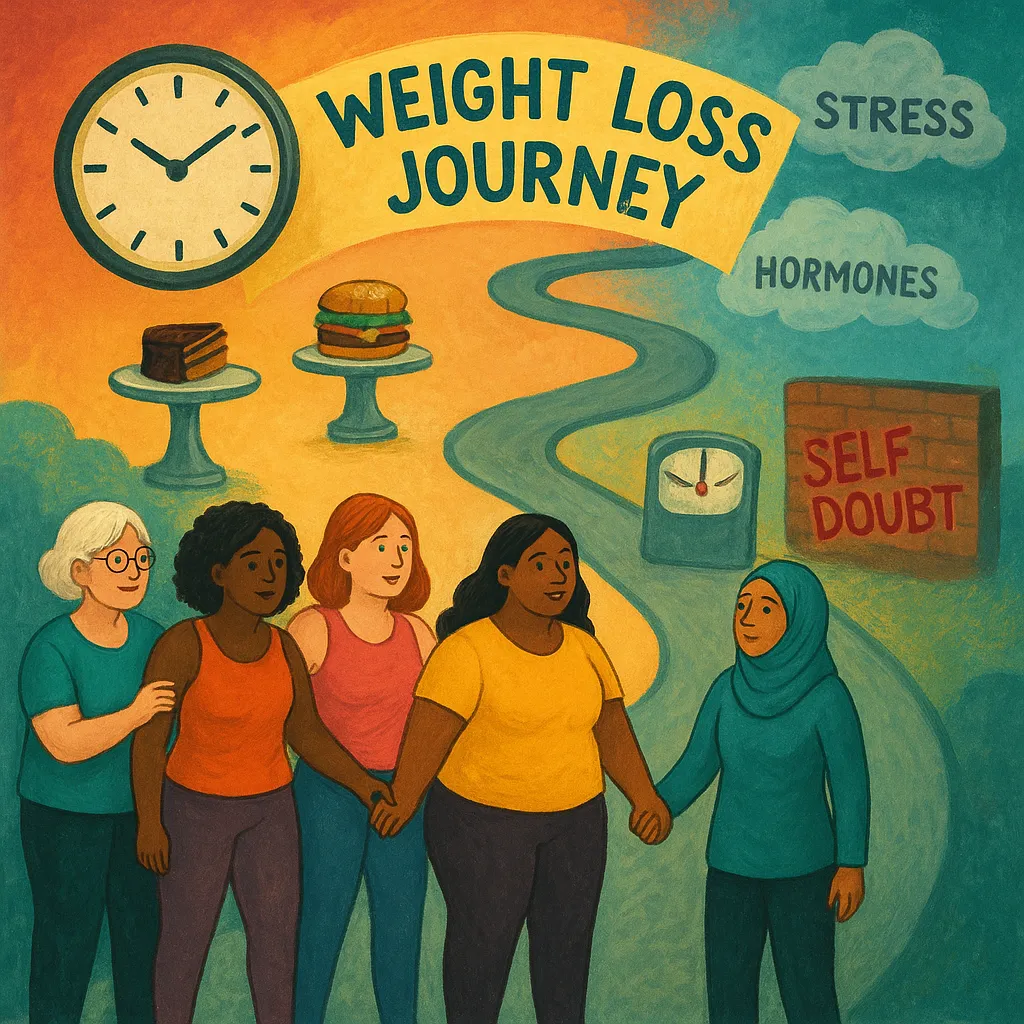
**When trying to lose weight, women most often struggle with hormonal fluctuations, slow metabolism, emotional eating, and time constraints. These challenges can complicate creating calorie deficits, staying motivated, and sustaining healthy habits. Understanding these obstacles helps tailor more effective, sustainable weight loss strategies for women.**
—
What Factors Make Weight Loss Different for Women?
Losing weight can be significantly different for women due to unique physiological, social, and emotional factors. Hormones, metabolism, societal expectations, and life demands (like childbirth and caregiving) all add complexity to women’s weight loss journeys.
Key Entities Related to Weight Loss Challenges for Women
– **Hormonal imbalance** (e.g., estrogen, progesterone, insulin)
– **Metabolic rate**
– **Psychological health** (stress, emotional well-being)
– **Busy lifestyles** (work-life balance, caregiving)
– **Fitness and nutrition knowledge**
– **Body composition differences**
—
What Are the Top Obstacles Women Encounter When Trying to Lose Weight?
Here’s a quick overview:
| Challenge | Description |
|————————–|———————————————————————————————————|
| Hormonal Fluctuations | Hormones like estrogen and progesterone can affect hunger, fat storage, and metabolism. |
| Slower Metabolism | Women typically have lower muscle mass and metabolic rates compared to men. |
| Emotional & Stress Eating| Emotional ups and downs can trigger overeating or cravings, especially for high-calorie foods. |
| Lack of Time | Balancing work, family, and personal needs often leaves little time for meal prep or exercise. |
| Social Pressures | Societal expectations about body image can create extra anxiety or lead to unsustainable diets. |
| Misinformation | Confusing or conflicting advice on weight loss can stall progress or encourage unsafe practices. |
| Plateaus & Setbacks | Hitting a weight loss plateau or regaining weight can dampen motivation and confidence. |
—
Why Do Women Struggle More With Hormonal Issues During Weight Loss?
How Do Hormones Affect Weight Loss in Women?
Hormones like **estrogen**, **progesterone**, and **insulin** play central roles in weight regulation for women. Monthly menstrual cycles, perimenopause, menopause, and conditions like PCOS (polycystic ovary syndrome) can all cause fluctuations in these hormones, leading to:
– **Increased appetite** or cravings
– **Water retention and bloating**
– **Reduced energy levels**
– **Greater fat storage**, especially around the midsection
Hormonal Weight Loss Challenges: Definition Box
> **Definition:** *Hormonal weight loss barriers* refer to the ways that shifts in estrogen, progesterone, and thyroid hormones can disrupt a woman’s ability to burn calories, suppress hunger, and maintain lean muscle mass.
—
What Role Does Metabolism Play in Weight Loss for Women?
Are Women’s Metabolisms Slower?
On average, women have lower resting metabolic rates than men, largely due to differences in **muscle mass** and **body composition**. This means that, even at rest, women burn fewer calories. Factors that can influence metabolic rate include:
– **Age:** Metabolic rates naturally decline with age, especially after 35.
– **Muscle-to-fat ratio:** Less muscle means fewer calories burned at rest.
– **Genetics:** Some women are genetically predisposed to slower metabolisms.
—
How Do Emotional Factors and Stress Impact Women’s Weight Loss Efforts?
Why Is Emotional Eating More Common in Women?
Many women report turning to food as a source of comfort during periods of stress, sadness, or anxiety—a pattern known as **emotional eating**. Chronic stress can increase levels of the hormone **cortisol**, which is linked to higher hunger and preference for high-calorie foods.
**Supporting Entities:**
– Mental health (anxiety, depression)
– Emotional resilience
– Social support systems
—
In What Ways Do Time Constraints and Lifestyle Affect Weight Loss?
Why Is Lack of Time a Major Challenge?
Women often juggle multiple roles—career, caregiving, and household management. These responsibilities can make it hard to:
– Prepare healthy meals
– Exercise consistently
– Get enough sleep
Quick Tips to Tackle Time Barriers
– Meal prep in advance
– Short, high-intensity workouts
– Delegate tasks when possible
—
How Do Social and Cultural Expectations Influence Women’s Weight Loss?
Are Women Pressured by Societal Beauty Standards?
Society frequently places an emphasis on women’s appearance, shape, and size. Such pressures can:
– Lead to unhealthy dieting patterns
– Encourage comparison and self-criticism
– Trigger cycles of weight loss and regain (yo-yo dieting)
**Related Context:**
– Body positivity movement
– Media portrayal of beauty
—
What Misinformation or Diet Trends Make Weight Loss Harder?
Why Are Fad Diets a Risk?
Women are often targeted by trendy diets or extreme weight loss solutions promising quick results. Unfortunately, these can:
– Restrict essential nutrients
– Slow metabolism over time
– Lead to rebound weight gain
**Common Fad Diet Terms:**
– Detox diets
– Low-carb or keto diets
– Appetite suppressant supplements
—
What is Weight Loss Plateau and Why Does It Happen to Women?
Why Do Women Hit Plateaus More Frequently?
As women lose weight, their bodies adapt by slowing metabolism and increasing hunger signals—a survival mechanism that makes further weight loss more difficult.
**Plateau-Busting Strategies:**
– Vary exercise routines
– Reassess calorie intake
– Focus on non-scale victories (strength, energy, mood)
—
What Are Alternative Ways Women Ask About Weight Loss Challenges?
– “Why is it so hard for me to lose weight as a woman?”
– “What makes women’s weight loss different from men’s?”
– “What are the biggest obstacles for women wanting to lose weight?”
– “Do hormones stop women from losing weight?”
– “Why do diet plans not work for women?”
—
Summary Table: Most Common Weight Loss Challenges for Women
| Challenge | Examples/Details | Related Entity/Concept |
|————————–|————————————————————–|—————————-|
| Hormonal Changes | Menstrual cycle, menopause, PCOS | Estrogen, progesterone |
| Metabolic Differences | Less muscle mass, slower metabolism | Basal metabolic rate (BMR) |
| Emotional Eating | Stress, comfort food, binge eating | Cortisol, mental health |
| Time Constraints | Work, caregiving, busy schedules | Lifestyle, stress |
| Social Expectations | Media pressure, body image | Body positivity, stigma |
| Misinformation | Fad diets, diet myths, unsafe supplements | Nutrition science |
| Plateaus & Setbacks | Hitting a weight loss plateau, yo-yo dieting | Adaptation, motivation |
—
Frequently Asked Questions (FAQ) about Women’s Weight Loss Challenges
1. Why do hormonal changes make it harder for women to lose weight?
Hormones directly affect metabolism, appetite, and fat storage. Changes in estrogen and progesterone levels, especially during menstrual cycles and menopause, often make it harder for women to lose and maintain weight.
2. Can women overcome a slow metabolism when losing weight?
Yes, women can boost their metabolism by building muscle through strength training, staying active, eating enough protein, and avoiding crash diets that slow metabolic rate.
3. How does stress impact women’s weight loss?
Chronic stress raises cortisol levels, which can increase appetite for high-calorie foods and promote abdominal fat storage. Managing stress through mindfulness, exercise, and support is important.
4. What are some healthy ways women can manage emotional eating?
Strategies include building emotional awareness, having non-food coping mechanisms (like journaling or walking), and seeking support from professionals when needed.
5. Why do women experience weight loss plateaus?
As women lose weight, their metabolism adapts to a lower calorie intake, making further loss difficult. Plateaus can also result from hormonal shifts or outdated calorie and activity routines.
6. Can popular diet trends harm women’s weight loss?
Many trendy diets restrict essential nutrients and can trigger yo-yo dieting. A balanced, sustainable approach tailored to individual needs works best for long-term success.
7. Do women need different workouts than men to lose weight?
Women and men benefit from similar exercise principles—cardio, strength training, and flexibility—but individual preferences and body composition goals should shape workout plans.
—
Key Takeaways
– **Weight loss is uniquely challenging for women** due to interconnected factors like hormones, metabolism, emotional health, and societal expectations.
– **Effective strategies** address the root causes of these challenges, including hormonal balance, sustainable nutrition, emotional resilience, and time management.
– **There is no one-size-fits-all solution:** Personalization and a holistic view support long-term weight management for women.
—
> Understanding the specific challenges women face while trying to lose weight helps foster realistic plans, greater self-compassion, and better outcomes. Focusing on lifelong health—not just the number on the scale—is the most sustainable path forward.
“`