What Are the Most Common Challenges Women Face When Trying to Lose Weight?
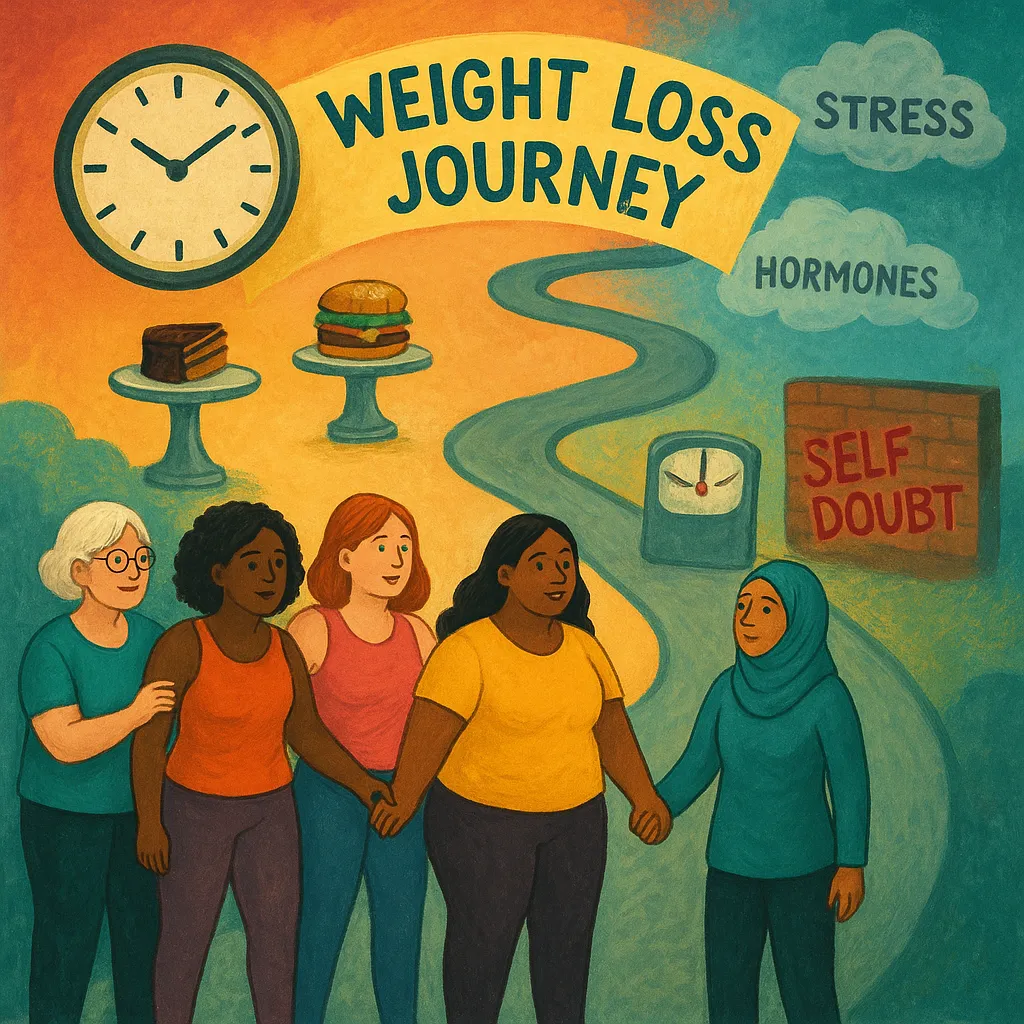
Women commonly face weight loss challenges related to biological factors (like hormones), lifestyle constraints, and unique emotional pressures. The most frequent obstacles include slow metabolism, hormonal imbalances, stubborn fat retention, limited time for exercise, and societal expectations around body image.
—
What Makes Weight Loss Different for Women?
Women’s bodies have specific physiological and psychological factors that can affect their weight loss journey, distinguishing their experiences from those of men.
**Definition Box:**
**Weight Loss Challenges for Women** are obstacles or barriers—physical, emotional, or social—that uniquely hinder women’s ability to lose and maintain weight.
—
Why Is It Harder for Women to Lose Weight Than Men?
Women often ask, “Why do men lose weight faster?” or “Why is weight loss more challenging for women?” The key reasons include:
– **Lower Basal Metabolic Rate (BMR):** On average, women have less muscle mass, leading to slower calorie burn at rest.
– **Hormonal Fluctuations:** Changes during menstruation, pregnancy, and menopause directly affect metabolism and appetite.
– **Fat Storage Patterns:** Women naturally store more body fat—especially in the hips, thighs, and buttocks—due to estrogen.
—
What Are Common Barriers to Weight Loss for Women? (Quick List)
Here are the most cited weight loss challenges among women:
1. **Hormonal changes (menstruation, menopause, PCOS)**
2. **Slower metabolism**
3. **Emotional eating and stress**
4. **Lack of time due to caregiving or professional duties**
5. **Societal beauty pressures**
6. **Plateaus despite healthy habits**
7. **Medical conditions (thyroid disorders, insulin resistance)**
—
Table: Weight Loss Challenges and Related Entities
| Challenge | Description | Related Entity/Concept |
|———————————–|—————————————————————|—————————-|
| Hormonal Fluctuations | PMS, menopause, PCOS disrupting appetite and storage | Estrogen, Progesterone |
| Slow Metabolism | Burns fewer calories at rest | BMR, Muscle Mass |
| Emotional Eating | Stress, anxiety leading to overeating | Cortisol, Mental Health |
| Time Constraints | Limited time for meal prep and exercise | Family, Work, Multitasking |
| Societal & Cultural Expectations | Body image pressure, unrealistic beauty standards | Media, Social Comparison |
| Medical Conditions | Underlying health issues affecting weight | Hypothyroidism, PCOS |
| Weight Loss Plateaus | Stalled progress after initial loss | Adaptation, Diet Changes |
—
How Do Hormones Affect Weight Loss in Women?
Hormones play a critical role in women’s weight management. Estrogen, progesterone, insulin, and cortisol influence fat storage, hunger, and energy levels.
– **Menstrual Cycle:** Can cause cravings, bloating, and water retention.
– **Menopause:** Leads to decreased metabolism and a shift in fat distribution.
– **Polycystic Ovary Syndrome (PCOS):** Associated with insulin resistance and stubborn weight gain.
—
What Is the Impact of Emotional and Stress-Related Eating?
Emotional eating is a significant challenge. High levels of stress can increase cortisol, a hormone linked to fat storage, especially around the abdomen.
**Key Points:**
– Women may turn to comfort foods during stress, sadness, or boredom.
– Busy lifestyles and caregiver roles can make mindful eating difficult.
—
How Do Time Constraints and Lifestyle Factors Affect Women’s Weight Loss?
Women juggling careers, families, and personal obligations tend to face time shortages that can impact their ability to meal prep, exercise, or focus on self-care.
**Common Lifestyle Barriers:**
– Skipping meals or eating on-the-go
– Irregular sleep schedules
– Sedentary routines due to work-from-home or office jobs
—
How Does Body Image and Social Pressure Affect Weight Loss Motivation?
Societal norms and media representations can create unrealistic expectations around body image, leading to low self-esteem or unhealthy weight loss practices.
**Quick Facts:**
– Social comparison increases pressure to achieve quick or drastic results.
– Fear of failure or judgment may deter women from starting or maintaining healthy changes.
—
What Medical Conditions Hinder Weight Loss in Women?
Certain medical issues disproportionately affect women and inhibit weight loss:
– **Thyroid Disorders (Hypothyroidism):** Decreases metabolism, energy, and motivation.
– **Insulin Resistance and PCOS:** Make fat loss slower and more challenging.
– **Perimenopause/Menopause:** Associated with increased fat accumulation.
_If you suspect a medical cause for stalled progress, consult a healthcare provider for tailored guidance._
—
Why Do Women Experience Weight Loss Plateaus?
Weight loss plateaus are periods when progress stalls, even with continued efforts. This is common due to:
– The body adapting to reduced calorie intake
– Changes in metabolism
– Hormonal shifts
**Solutions:** Adjust calorie intake, increase intensity or variety of exercise, and ensure adequate rest.
—
What Are Some Practical Tips for Women Facing Weight Loss Challenges?
– Track progress, not just pounds—measure inches, energy, and mood.
– Prioritize balanced nutrition over calorie restriction.
– Incorporate strength training to boost metabolism.
– Find social support or join communities for accountability.
—
How Do These Challenges Connect: Semantic Relationships
All these factors—hormones, lifestyle, emotions, medical conditions—are deeply connected. Hormonal imbalances can increase stress, which, combined with time constraints, leads to emotional eating. These cycles are further reinforced by social pressures and underlying health issues, creating unique weight loss challenges for women.
—
Alternative Ways People Ask About Weight Loss Challenges for Women
– What prevents women from losing weight?
– Why is it tough for women to keep weight off?
– What factors make women’s weight loss journey difficult?
– Are women more likely to hit weight loss plateaus than men?
—
FAQ: Women and Weight Loss Challenges
1. **How do periods affect women’s weight loss efforts?**
Periods can cause temporary water retention, cravings, and fatigue, which may make healthy eating and exercise harder during certain phases of the menstrual cycle.
2. **Are weight loss supplements safe for women?**
Some may help, but many are unregulated or ineffective. Always consult a healthcare provider before using supplements for weight loss.
3. **What is the best exercise for women struggling to lose weight?**
A combination of strength training and cardiovascular activity is most effective for increasing metabolism and burning fat.
4. **Can stress really prevent weight loss?**
Yes. Chronic stress elevates cortisol, which can stimulate appetite and promote fat storage, particularly in the abdominal area.
5. **Is it normal to lose weight more slowly during menopause?**
Absolutely. Hormonal changes slow metabolism, making weight loss during menopause more gradual.
6. **What should women do if they hit a weight loss plateau?**
Change up exercise routines, monitor calorie intake, prioritize sleep, and ensure hydration. Consulting a professional can also help identify any hidden barriers.
7. **How can women balance weight loss with a busy lifestyle?**
Planning meals and workouts in advance, seeking social support, and setting realistic goals can make weight loss more achievable for busy women.
—
Summary Table: Key Challenges and Solutions
| Challenge | Solution Advice |
|———————-|————————————————–|
| Hormonal Shifts | Track cycles; adjust routines accordingly |
| Slow Metabolism | Add muscle-building, adjust calorie targets |
| Emotional Eating | Practice mindful eating, manage stress |
| Time Constraints | Use short, effective workouts; meal prep |
| Societal Pressure | Focus on health, not just appearance |
| Medical Conditions | Get medical advice, personalize approach |
—
Final Thoughts
Women face a unique mix of biological, emotional, and social challenges when it comes to weight loss. Understanding these factors—and addressing them holistically—can help create more effective, sustainable, and compassionate strategies for achieving and maintaining a healthy weight.
“`