What Foods Can You Eat and Avoid on the Whole30 Diet?
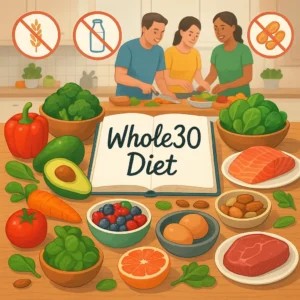
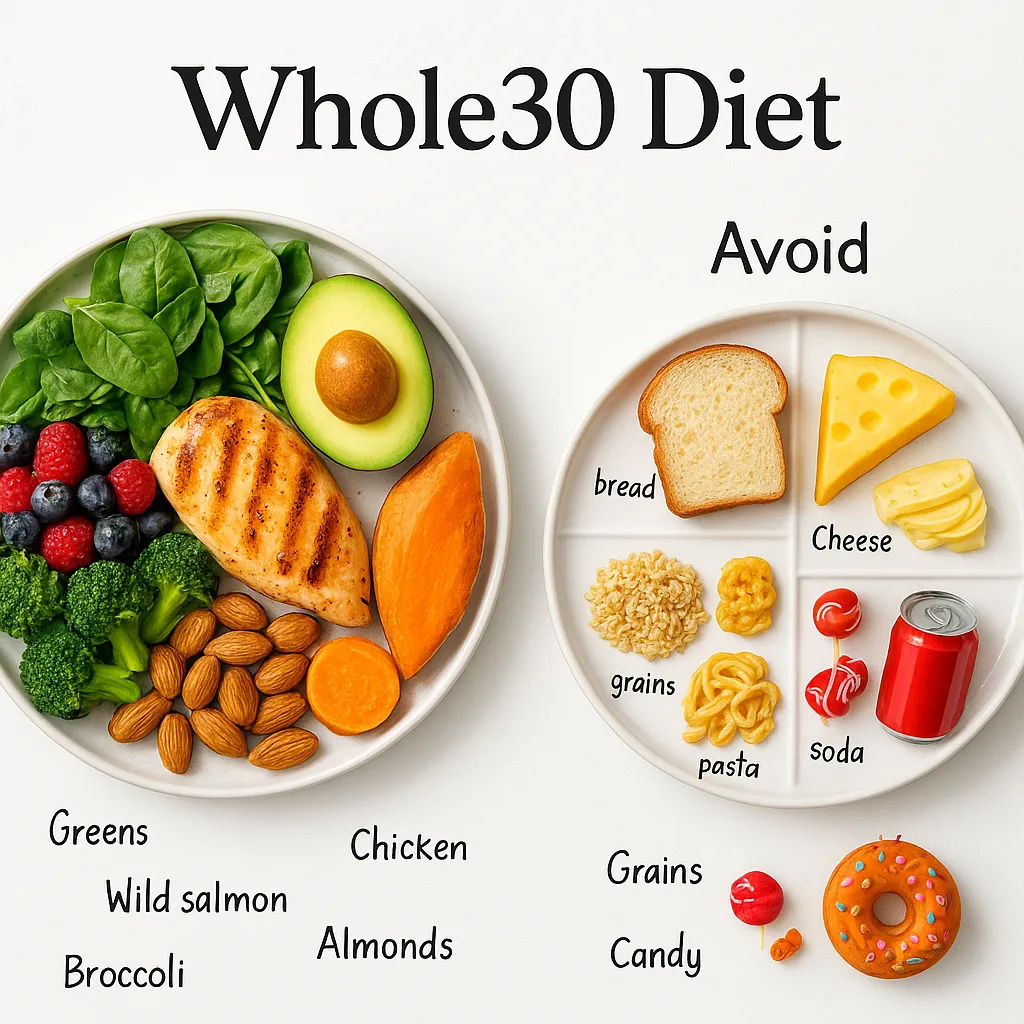
**Direct Answer:** On the Whole30 Diet, you eat whole, unprocessed foods like vegetables, fruits, meats, seafood, eggs, and healthy fats, while avoiding added sugar, grains, dairy, legumes, and processed foods. The focus is on eating real food for 30 days to help reset your health, habits, and relationship with food.
—
What Is the Whole30 Diet? (Definition Box)
**Whole30 Diet:**
A 30-day nutritional reset program designed to eliminate commonly problematic foods such as sugar, grains, dairy, legumes, and additives to help improve health, digestion, and energy levels. Created by Melissa Urban and Dallas Hartwig in 2009, Whole30 is a short-term elimination diet where participants strictly avoid the excluded food groups to identify any negative effects on energy, digestion, and well-being.
—
Which Foods Can You Eat on Whole30?
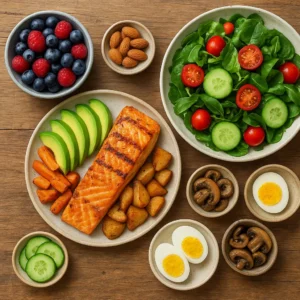
Wondering what you *can* eat on Whole30? Here’s a breakdown of foods that are Whole30-approved:
Allowed Foods List
– **Fresh Vegetables:** All types (except certain legumes).
*Examples: Broccoli, spinach, kale, carrots, bell peppers, zucchini, cauliflower.*
– **Fresh or Frozen Fruit:** All types, in moderation.
*Examples: Berries, apples, bananas, oranges, melons.*
– **Unprocessed Meats:** Beef, pork, lamb, poultry, game, etc., without added sugar or non-compliant ingredients.
– **Seafood:** Fish, shellfish, and other seafood.
– **Eggs:** All types.
– **Natural, Unprocessed Fats:** Ghee, clarified butter, olive oil, coconut oil, avocado oil.
– **Nuts and Seeds:** Except peanuts, as they are legumes.
*Examples: Almonds, walnuts, cashews, pumpkin seeds, sunflower seeds.*
– **Herbs, Spices, and Vinegars:** As long as there are no added sugars or sulfites.
– **Black Coffee, Tea, and Infused Water:** No sweeteners or dairy.
—
Which Foods Should You Avoid on Whole30?
Many people ask: *What foods are you not allowed to eat on Whole30?* Here’s what’s strictly off-limits:
Foods to Avoid List
– **Added Sugar (all types):** White sugar, honey, maple syrup, agave, stevia, artificial sweeteners, etc.
– **Grains:** Wheat, oats, rice, corn, barley, rye, quinoa, millet, etc.
– **Dairy Products:** Milk, cheese, yogurt, cream, sour cream, and all non-dairy creamers (except ghee/clarified butter).
– **Legumes:** Beans, peas, lentils, chickpeas, soybeans, soy products (tofu, tempeh, soy sauce, miso, edamame).
– **Processed Additives:** Carrageenan, MSG, sulfites, and other artificial additives.
– **Alcohol:** Beer, wine, liquor, in any form—even with cooking.
– **Baked Goods, Junk Food, or Treats:** No “Paleo-ified” versions of bread, cookies, pancakes, chips, or desserts—even with compliant ingredients.
—
Whole30 Foods Table: Eat or Avoid?
| Food Group | Eat | Avoid |
|———————-|—————|——————————–|
| Vegetables | Yes | Peas, beans, lentils, soybeans |
| Fruit | Yes (moderate)| Fruit juice (as sweetener) |
| Meat & Poultry | Yes | Breaded/processed versions |
| Fish & Seafood | Yes | Imitation crab, breaded fish |
| Eggs | Yes | Egg dishes with dairy/grains |
| Fats & Oils | Yes | Margarine, industrial oils |
| Nuts & Seeds | Yes | Peanuts, peanut butter |
| Grains | No | All types |
| Dairy | No | All types except ghee |
| Sweeteners | No | All types |
| Legumes | No | All types |
| Alcohol | No | All forms |
| Additives | No | Carrageenan, MSG, sulfites |
—
What Are Some Whole30-Approved Snacks and Meals?
Many people ask: *What can I snack on while doing Whole30?* or *What meals can I eat on this diet?*
Snack Ideas (Compliant Options)
– Fresh fruit or fruit with compliant nut butter (like almond or cashew butter)
– Raw or roasted nuts and seeds (except peanuts)
– Hard-boiled eggs
– Turkey, chicken, or beef jerky (check for compliant ingredients)
– Sliced raw veggies with guacamole or compliant salsa
– Olives or avocado slices
– Roasted sweet potato slices
Meal Ideas
– **Breakfast:** Scrambled eggs with spinach, tomatoes, and avocado.
– **Lunch:** Bunless burger with lettuce, tomato, onion, and roasted potatoes.
– **Dinner:** Grilled salmon with roasted asparagus and salad.
– **Stir-fry:** Chicken breast with broccoli, bell peppers, carrots, and ginger cooked in coconut oil.
—
Why Are These Foods Restricted on Whole30?
Whole30 eliminates certain food groups—like grains, dairy, legumes, and added sugars—due to their potential to trigger inflammation, disrupt gut health, contribute to cravings, or negatively affect energy levels and digestion. The aim is to reduce these factors for 30 days to help you better understand how your body reacts to each food group once reintroduced.
—
Context: How Does Whole30 Compare to Other Diets?
Whole30 shares similarities with **Paleo** and **Elimination Diets**:
– **Paleo:** Overlaps with Whole30 on excluding grains, dairy (mostly), and processed foods, but typically longer term and less restrictive on treats.
– **Keto:** Focuses on low-carb, high-fat but permits dairy and non-whole food fats.
– **Elimination Diet:** Both are designed to help identify food sensitivities, but Whole30 has a set reintroduction protocol.
Whole30 is not a weight-loss diet, though many experience this as a side effect. Instead, it’s a “reset” to promote better food choices and eating habits.
—
Related Topics and Entities
– **Melissa Urban (Hartwig):** Whole30 creator
– **Inflammation:** Central concept explaining food eliminations
– **Food Cravings and “Food Freedom”:** Terms closely linked to Whole30 philosophy
– **Gut Health:** A primary reason for food elimination
– **Sugar Addiction:** Emphasized as a major concern in Whole30 materials
—
Other Ways People Ask About Whole30 Foods
*Can I eat fruit on Whole30?*
*Is peanut butter allowed on Whole30?*
*Are potatoes okay on Whole30?*
*What are the Whole30 banned foods?*
*What is compliant on Whole30?*
—
Whole30 Reintroduction Phase (Context Section)
After completing 30 days, foods are reintroduced one at a time to observe how your body responds. This phase helps identify which foods cause negative symptoms and which are well-tolerated.
—
Whole30 Compliant vs. Non-Compliant Foods (Quick Reference Table)
| Category | Examples of Allowed | Examples of Avoided |
|——————-|—————————|————————————–|
| Veggies | Broccoli, carrots, kale | Beans, peas |
| Fruits | Apple, orange, berries | Fruit juice as sweetener |
| Proteins | Chicken, beef, salmon | Sausage with sugar, breaded meats |
| Fats/Oils | Olive oil, ghee, coconut | Butter, margarine, canola, peanut oil|
| Snacks | Nut/seed mixes, jerky | Chips, cookies—even if “Paleo” |
—
Frequently Asked Questions (FAQ)
1. Can you eat potatoes on Whole30?
**Yes, all types of potatoes, including white, red, sweet, and purple potatoes, are now permitted on Whole30.** However, avoid fries and chips cooked with non-compliant oils or additives.
2. Is coffee allowed on Whole30?
**Yes, black coffee is allowed.** Avoid adding milk, cream, sugar, or any non-compliant sweeteners or creamers. You may use compliant nut milk or coconut milk.
3. Can you eat bacon on Whole30?
**Bacon is Whole30-compliant only if it contains no added sugar, sulfites, or other non-compliant ingredients.** Always check the label for hidden additives.
4. Are any desserts allowed on Whole30?
**No desserts, even made from Whole30-approved ingredients, are allowed.** This is to encourage breaking the habit of eating treats for 30 days.
5. What condiments are okay on Whole30?
**Most non-sweetened mustard, hot sauce, salsa, and homemade mayonnaise (using compliant oil and eggs) are allowed.** Always read the label for sugar and preservatives.
6. Can I have sparkling water or seltzer?
**Yes, unsweetened sparkling water and seltzer are Whole30-approved.** Avoid those with added flavors, sweeteners, or non-compliant additives.
7. Are protein bars allowed on Whole30?
**Most commercial protein or snack bars are not allowed due to sweeteners and other additives.** Only bars with fully compliant ingredients (without sweeteners or preservatives) are approved.
—
Summary: Key Takeaways for Whole30 Food Rules
– Eat real, whole foods: veggies, fruits, meats, eggs, seafood, natural fats, nuts (not peanuts), and seeds.
– Strictly avoid: added sugars, grains, dairy, legumes, processed foods, and alcohol.
– Always check ingredient labels for hidden non-compliant items.
– Focus on building meals from scratch with whole, minimally processed ingredients.
– No recreating junk food or desserts, even with compliant ingredients.
**Whole30 is designed to help you identify how foods affect your body and reset your habits for better long-term health.**
—
*For more guidance, visit the [official Whole30 website](https://whole30.com/) or consult a healthcare professional before starting any restrictive diet.*
“`