What Are the Most Common Challenges Women Face When Trying to Lose Weight?
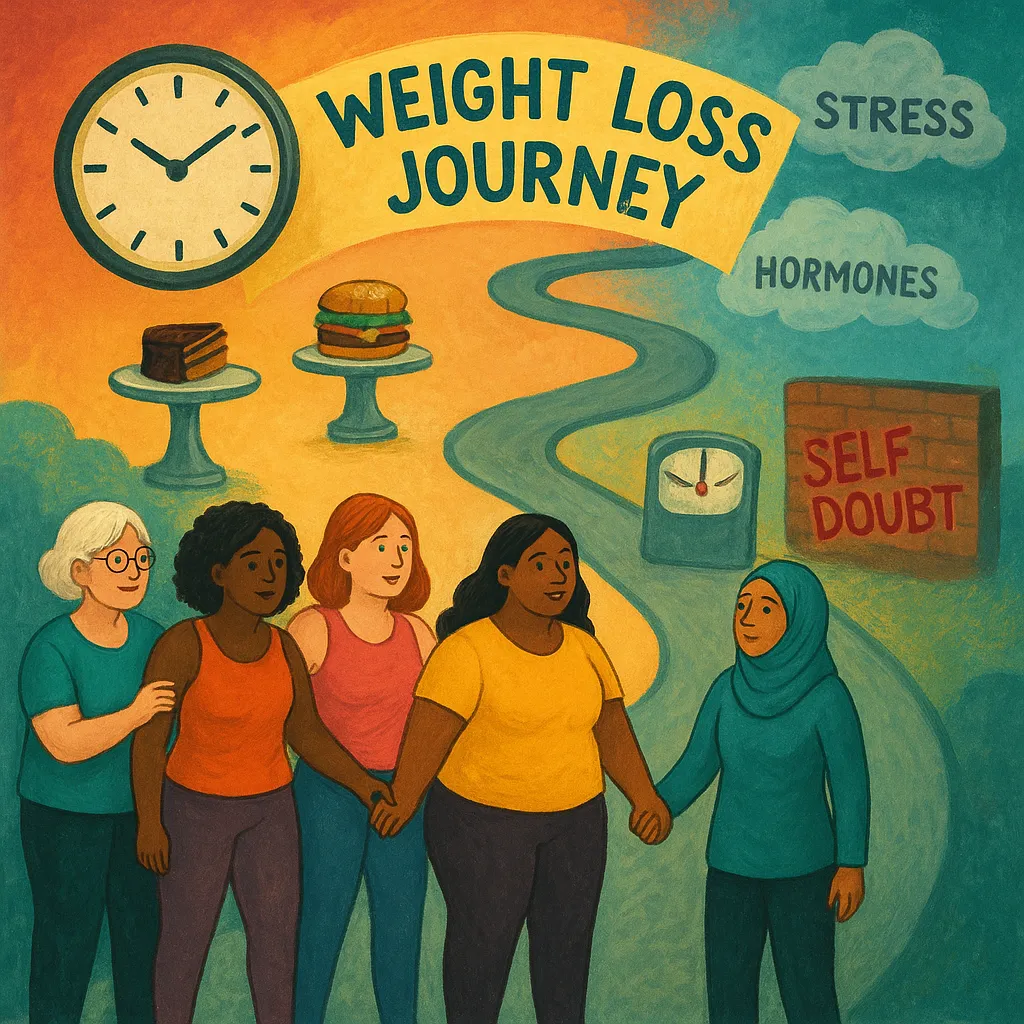
Women often face unique challenges in their weight loss journey, including hormonal fluctuations, slower metabolic rates, emotional eating, and societal pressures. These factors can make losing weight more difficult compared to men, requiring tailored strategies for effective and sustainable results.
—
What Are the Key Obstacles Women Encounter When Losing Weight?
Women typically struggle with a combination of biological, psychological, and social barriers when losing weight. Let’s break down these issues and explore their impact.
Definition Box: Common Challenges in Female Weight Loss
| Challenge | Description |
|————————–|—————————————————————————-|
| Hormonal Fluctuations | Changes in estrogen and progesterone that affect appetite & fat storage |
| Slower Metabolism | Naturally reduced basal metabolic rate (BMR), especially with age |
| Emotional Eating | Turning to food for comfort in response to stress, anxiety, or depression |
| Societal Expectations | Social pressure to look a certain way, leading to unhealthy practices |
| Time Constraints | Limited time for exercise due to work, family, and life responsibilities |
—
How Does Biology Make Weight Loss Harder for Women?
What Role Do Hormones Play in Weight Loss for Women?
Hormonal changes—especially fluctuations in estrogen and progesterone—affect appetite, metabolism, and how fat is stored in the body. Events like menstrual cycles, pregnancy, perimenopause, and menopause cause these hormone levels to shift, often leading to weight gain or making weight loss more challenging.
**Related Entities:**
– Estrogen
– Progesterone
– Cortisol
– Thyroid
Does Metabolism Affect Women Differently Than Men?
Yes, women generally have a lower resting metabolic rate (RMR) than men due to lower muscle mass and higher body fat percentage. As women age, hormonal transitions like menopause can further reduce metabolic rate, making it easier to gain weight and harder to lose it.
—
How Do Psychological and Emotional Factors Influence Women’s Weight Loss?
Why Is Emotional Eating So Common in Women?
Many women experience emotional eating—using food to cope with stress, loneliness, boredom, or negative emotions. This behavior is often linked to hormonal fluctuations, workplace stress, relationship challenges, or parenting responsibilities and can undermine weight loss efforts.
List: Common Emotional Triggers Leading to Overeating
– Stress from work or home life
– Negative body image or low self-esteem
– Anxiety and depression
– Social isolation
How Important Is Body Image and Self-Esteem?
Body image issues are more prevalent among women, heavily influenced by social media, advertising, and societal norms. Negative self-perception can lead to unhealthy dieting, disordered eating, and a lack of motivation for sustainable lifestyle changes.
—
How Do Social and Environmental Factors Affect Women’s Weight Loss?
Are Societal Expectations a Barrier for Women?
Absolutely. Women often feel societal pressure to look thin or conform to unrealistic beauty standards. This can create anxiety, promote quick-fix diets, or even contribute to eating disorders.
Do Women Have Less Time for Weight Loss?
Many women juggle work, family, caregiving, and household responsibilities, leaving little time for regular exercise or meal planning. These time constraints often make healthy weight loss strategies harder to implement.
—
What Are the Most Effective Strategies to Overcome These Challenges?
Overcoming weight loss challenges requires a multi-faceted approach tailored to women’s unique needs and circumstances.
Table: Strategies and Supportive Entities
| Challenge | Strategy | Entity / Support |
|—————————|———————————————-|————————-|
| Hormonal Fluctuations | Focus on balanced diet, manage stress | Gynecologist, Nutritionist |
| Slower Metabolism | Strength training, increase protein intake | Fitness Coach |
| Emotional Eating | Practice mindful eating, seek therapy | Psychologist, Dietitian |
| Societal Expectations | Build body positivity, set realistic goals | Support Groups, Therapists |
| Time Constraints | Plan quick meals, schedule short workouts | Meal Kits, Mobile Apps |
—
What Other Questions Do Women Ask About Weight Loss Challenges?
Below are answers to related and commonly asked questions, optimized for answer engines and featured snippets.
—
Frequently Asked Questions (FAQ)
1. Why do women lose weight slower than men?
Women often have a higher body fat percentage and lower muscle mass, leading to a slower metabolism. Hormonal differences and changes, especially during periods, pregnancy, and menopause, also affect how quickly women can lose weight compared to men.
2. Can hormonal imbalances prevent weight loss in women?
Yes, imbalances in estrogen, progesterone, cortisol, and thyroid hormones can disrupt metabolism, increase appetite, and promote fat storage, making weight loss more difficult.
3. How can women overcome emotional eating?
Women can manage emotional eating by practicing mindful eating, identifying triggers, keeping a food journal, and seeking support from therapists or support groups specializing in emotional health.
4. What role does muscle mass play in female metabolism?
Muscle tissue burns more calories at rest than fat tissue. Women with higher muscle mass have faster resting metabolic rates, which helps in weight management.
5. Are there specific diets that work better for women?
There is no one-size-fits-all diet for women; however, balanced nutrition focusing on whole foods, fiber, protein, and healthy fats is generally beneficial. Consulting a registered dietitian for personalized guidance is recommended.
6. How does menopause impact weight loss for women?
During menopause, a drop in estrogen slows metabolism, redistributes body fat, and may increase cravings, all of which make weight loss more challenging. Adjusted nutrition and regular strength training can help.
7. Can stress affect a woman’s ability to lose weight?
Yes, stress increases levels of the hormone cortisol, which can stimulate appetite and lead to fat storage, especially around the abdomen.
—
Summary: Connecting the Key Concepts
When it comes to weight loss, women face a complex interplay of biological, psychological, and social obstacles. Recognizing these challenges—hormonal imbalances, metabolic differences, emotional eating patterns, societal pressures, and time limitations—can help women set realistic goals and develop personalized strategies. Incorporating regular physical activity, balanced nutrition, emotional self-care, and support from relevant health professionals increases the likelihood of successful, sustainable weight loss.
—
Related Concepts and Topics
– Women’s Health
– Hormones and Nutrition
– Body Image and Mental Health
– Metabolism and Aging
– Stress Management Techniques
“`