What Are the Most Common Challenges Women Face When Trying to Lose Weight?
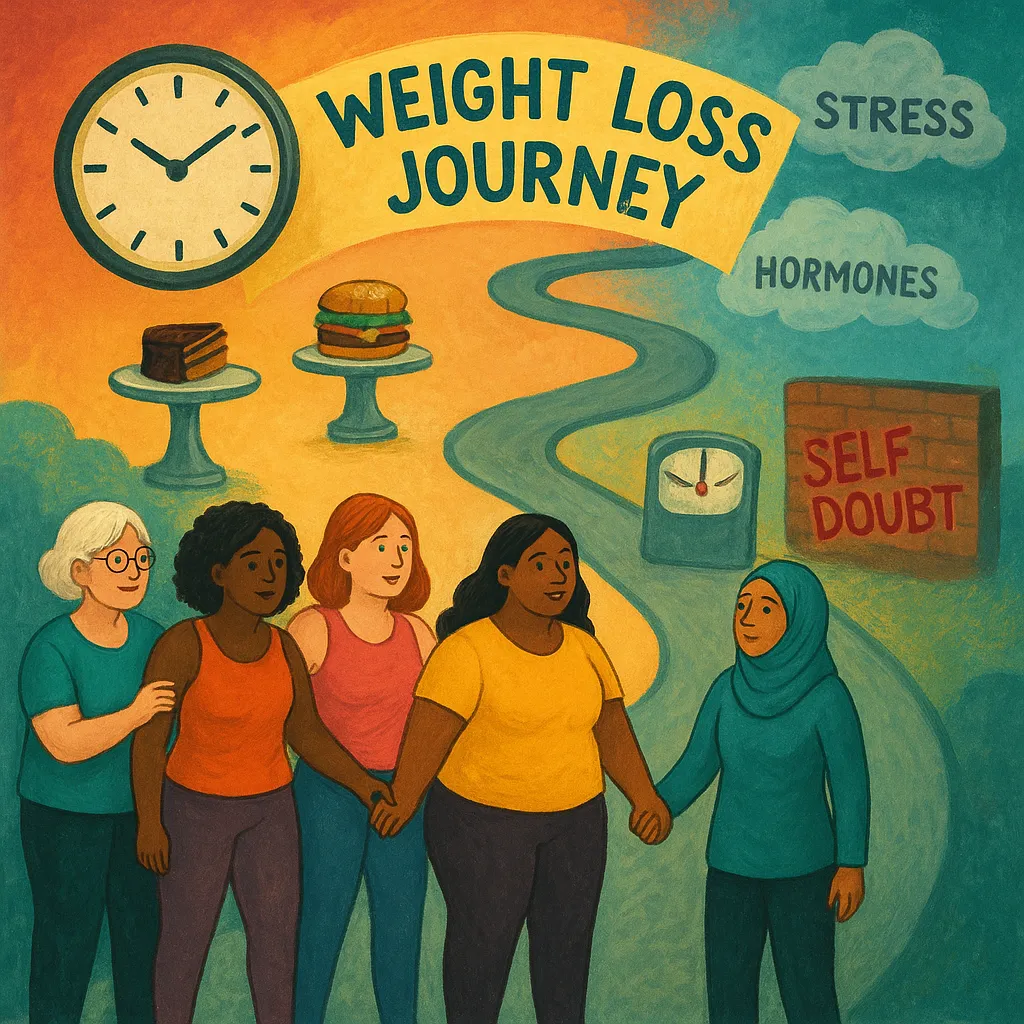
When women try to lose weight, they often encounter unique challenges such as hormonal fluctuations, slower metabolism, and emotional eating habits. These factors can make weight loss more complicated compared to men, requiring personalized strategies for success.
—
Why Is Weight Loss Often Harder for Women?
Women face distinct obstacles when losing weight due to how their bodies process fat, manage hormones, and respond to stress. Factors like pregnancy, menopause, and varying energy requirements mean the approach to weight loss isn’t one-size-fits-all.
—
Common Challenges Women Encounter When Losing Weight
1. **Hormonal Imbalances**
Hormonal changes during menstrual cycles, pregnancy, and menopause can cause weight fluctuations and cravings. For example, elevated estrogen or cortisol levels can affect fat storage and appetite.
**Definition:**
> **Hormonal imbalance** refers to fluctuations in hormone levels that can affect metabolism, appetite, and fat distribution.
2. **Slower Metabolism**
Women generally have a lower basal metabolic rate (BMR) than men, meaning they burn fewer calories at rest. This difference makes weight loss slower and sometimes more discouraging.
– **Related entity:** Basal Metabolic Rate, Calorie Deficit
3. **Emotional Eating and Stress**
Women are statistically more likely to use food for comfort, leading to mindless snacking or binge eating. Stress hormones like cortisol can also contribute to abdominal fat.
4. **Societal Pressures and Body Image**
Media and social norms often set unrealistic standards, causing emotional stress and sometimes disordered eating habits. These pressures can undermine motivation or lead to crash dieting.
5. **Lack of Time for Self-Care**
Balancing family, work, and other responsibilities can limit time for meal planning, cooking, or exercise. Women, especially mothers or caregivers, may put others’ needs before their own health.
6. **Plateaus and Muscle Mass Differences**
Women naturally have less muscle mass compared to men, affecting how many calories they burn. Weight loss plateaus can occur more quickly and are harder to break.
Table: Most Common Weight Loss Challenges for Women
| Challenge | Key Factors | Related Entities |
|————————–|——————————————–|————————-|
| Hormonal Imbalances | Menstruation, Menopause, Pregnancy | Estrogen, Cortisol |
| Slower Metabolism | Lower muscle mass, Age-related decline | BMR, Muscle-to-fat ratio|
| Emotional Eating | Stress, Anxiety, Comfort eating | Cortisol, Mental health |
| Societal Pressures | Media influence, Standards of beauty | Body Image, Self-esteem |
| Lack of Self-Care Time | Family/work obligations, Prioritizing others| Meal prep, Exercise time|
| Plateaus | Reduced calorie needs, Less muscle | Muscle, Calorie deficit |
—
What Are the Other Ways This Question Is Asked?
– Why do women struggle more with weight loss?
– What obstacles do women face when dieting?
– What makes it difficult for women to lose weight?
– What barriers impact female weight loss efforts?
– Why is losing weight harder for women than men?
—
How Do Hormones Affect Weight Loss in Women?
Hormones, such as estrogen and progesterone, directly influence metabolism, fat storage, and hunger cues. For instance, during menopause, decreasing estrogen levels can result in increased abdominal fat. Similarly, thyroid hormones regulate energy usage, and imbalances can slow weight loss.
—
Is Emotional Eating a Bigger Issue for Women?
Research suggests that emotional eating is more prevalent in women. Triggers like stress, sadness, or anxiety often lead to overeating high-calorie foods, making consistent weight loss challenging.
—
How Does Metabolism Differ for Women and Men?
Women usually have less lean muscle mass than men, which results in a lower metabolic rate. This means women burn fewer calories during both rest and activity, requiring more effort or stricter calorie control to lose weight.
—
What Role Does Muscle Mass Play in Female Weight Loss?
Muscle tissue burns more calories than fat tissue, even at rest. Since women typically have less muscle, they may see slower progress. Incorporating strength training helps preserve and build muscle, increasing calorie burn and supporting sustainable weight loss.
—
Strategies to Overcome Weight Loss Challenges for Women
1. **Personalized Nutrition Plans**
Collaborate with a nutritionist to address unique metabolic and hormonal needs. Balanced diets rich in whole grains, lean proteins, healthy fats, and fiber are essential.
2. **Strength Training and Physical Activity**
Regular resistance training boosts muscle mass and metabolism. Combining cardio and strength exercises yields the best results for fat loss and muscle maintenance.
3. **Mindful and Emotional Eating Management**
Practice mindful eating by paying attention to hunger cues and emotional triggers. Cognitive-behavioral strategies or support groups can help address emotional eating.
4. **Building a Supportive Environment**
Seek family, friends, or professional groups for encouragement. Support helps maintain motivation and accountability.
5. **Time-Efficient Workouts and Meal Prep**
Short, effective workouts and simple meal prep strategies help busy women make time for self-care.
—
FAQ: Weight Loss Challenges in Women
1. **Why is weight loss slower for most women?**
Women generally burn fewer calories due to lower muscle mass and metabolic rates, often making weight loss progress slower compared to men.
2. **Can hormonal imbalances prevent weight loss?**
Yes, changes in hormones like estrogen, progesterone, or thyroid hormones can slow metabolism, increase appetite, and promote fat storage.
3. **How can women break through weight loss plateaus?**
Adjusting calorie intake, incorporating new types of exercise (especially strength training), and reassessing lifestyle habits can help overcome plateaus.
4. **Does stress impact weight loss for women?**
Stress increases cortisol, which can trigger cravings and abdominal fat storage, impacting weight loss efforts.
5. **Are low-calorie diets effective for women?**
Very low-calorie diets can cause nutrient deficiencies and slow metabolism. Balanced, sustainable eating plans are more effective and healthier.
6. **Why does emotional eating affect women more?**
Women are statistically more likely to eat for comfort or to manage emotions, which can lead to overeating and slow weight loss progress.
7. **Do women need different exercise strategies from men?**
While exercise principles are similar, women benefit from a mix of cardio and regular strength training to address muscle mass and metabolic needs.
—
Conclusion
Women face a complex mix of biological, psychological, and societal challenges when trying to lose weight, from hormone-driven changes and slower metabolism to emotional eating and time constraints. Understanding these unique obstacles—and tailoring nutrition, exercise, and mindset accordingly—empowers women to achieve healthier, lasting results.
“`