What Are the Main Components of a High-Protein Diet?
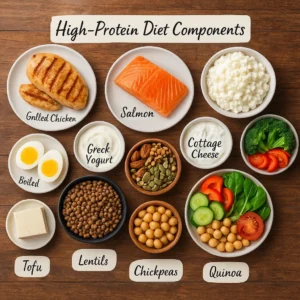
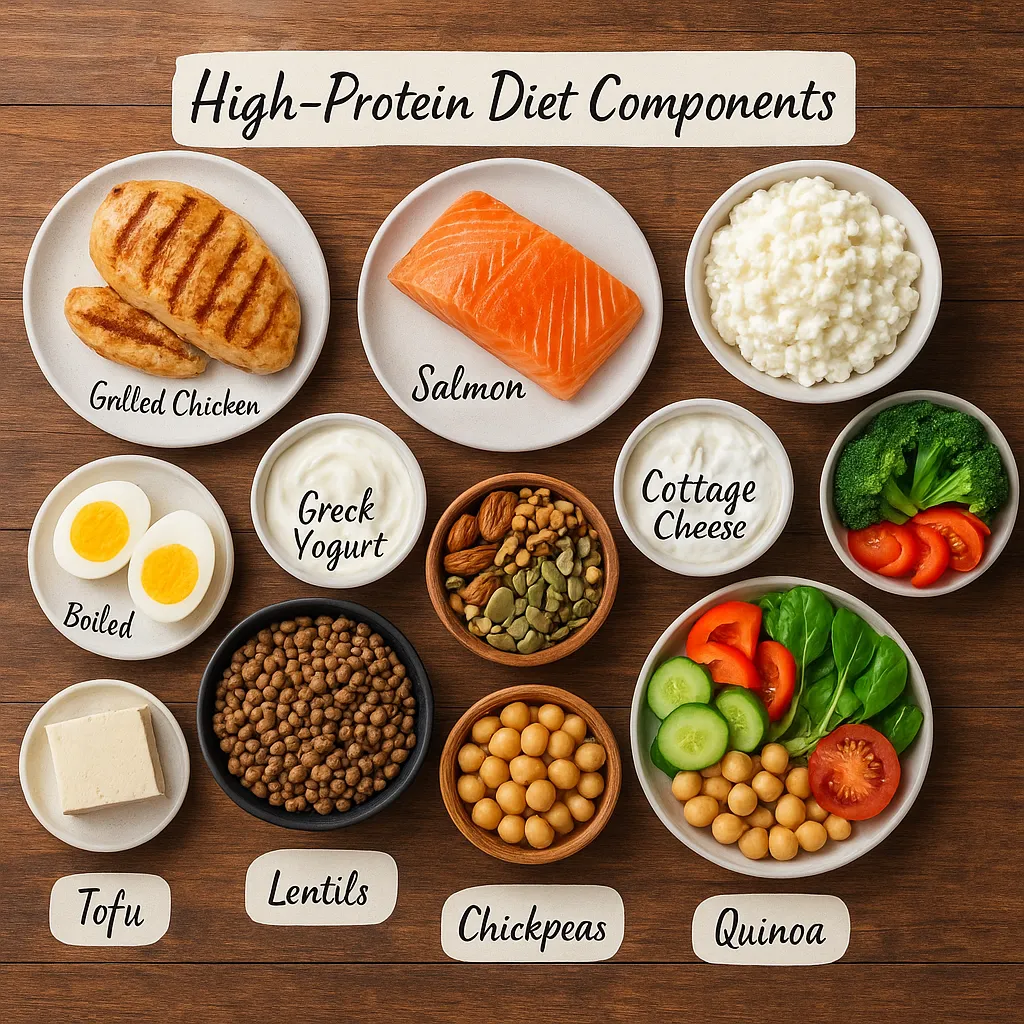
A high-protein diet is based on increasing the percentage of calories consumed from protein-rich foods while moderating carbohydrates and fats. The main components of a high-protein diet include lean meats, seafood, eggs, dairy products, legumes, nuts, seeds, and certain whole grains. Each component offers unique nutrients and supports muscle growth, weight management, and satiety.
—
What is a High-Protein Diet?
A high-protein diet emphasizes foods rich in protein—an essential macronutrient for body repair, muscle building, hormone production, and immune system support. Typically, it involves obtaining 20-35% of one’s total daily calories from protein sources compared to the standard 10-15%.
> **Definition Box:**
> **High-protein diet:** A dietary pattern where protein intake is significantly higher than average, typically above 1.2 grams per kilogram of body weight per day.
—
What Are the Main Sources of Protein in a High-Protein Diet?
1. Lean Meats
Lean meats are core components, providing high-quality, complete proteins and essential amino acids.
– **Chicken breast**
– **Turkey**
– **Lean cuts of beef or pork**
– **Game meats (venison, bison)**
2. Seafood
Fish and shellfish supply not only protein but also omega-3 fatty acids.
– **Salmon**
– **Tuna**
– **Cod**
– **Shrimp**
– **Mussels**
3. Eggs
Eggs are a versatile, highly bioavailable source of protein and micronutrients like choline and vitamin D.
4. Dairy Products
Dairy foods contribute protein along with calcium and probiotics.
– **Greek yogurt**
– **Cottage cheese**
– **Low-fat cheese**
– **Milk**
5. Plant-Based Proteins
Legumes
Legumes are foundational for vegetarian and vegan high-protein diets.
– **Lentils**
– **Chickpeas**
– **Black beans**
– **Peas**
– **Soybeans (edamame, tofu, tempeh)**
Nuts and Seeds
These supply healthy fats alongside moderate protein content.
– **Almonds**
– **Walnuts**
– **Pumpkin seeds**
– **Chia seeds**
– **Sunflower seeds**
Protein-Rich Whole Grains
Whole grains add fiber, vitamins, and plant-based proteins.
– **Quinoa**
– **Farro**
– **Buckwheat**
– **Amaranth**
Protein Supplements
Powders (whey, casein, plant-based) are sometimes used to help meet daily protein goals, especially for athletes.
—
High-Protein Diet: Main Components (Table)
| Component Type | Example Foods | Protein Content* | Additional Benefits |
|——————-|———————————–|———————–|——————————|
| Lean Meats | Chicken breast, turkey | 22-31g/100g | Iron, B-vitamins |
| Seafood | Salmon, tuna, shrimp | 18-25g/100g | Omega-3s, minerals |
| Eggs | Whole eggs, egg whites | 6-8g/egg | Choline, vitamin D |
| Dairy | Greek yogurt, cottage cheese | 8-15g/serving | Calcium, probiotics |
| Legumes | Lentils, chickpeas, soy | 7-16g/serving | Fiber, iron |
| Nuts & Seeds | Almonds, chia seeds | 4-8g/serving | Omega-3s, healthy fats |
| Whole Grains | Quinoa, buckwheat | 6-8g/serving | Fiber, B-vitamins |
| Protein Powders | Whey, soy, pea protein | 20-25g/scoop | Convenience |
*Protein content varies by preparation; values are approximate.
—
How Does a High-Protein Diet Differ From Other Diets?
Unlike low-carb (e.g., ketogenic) or low-fat diets, a high-protein diet focuses on increasing protein as a percentage of calories. It often overlaps with other dietary patterns, such as:
– **Paleo diet:** Emphasizes animal proteins, nuts, seeds.
– **Mediterranean diet:** Incorporates fish, legumes, Greek yogurt.
– **Vegetarian/vegan diets:** Focus on plant proteins from legumes, nuts, and grains.
—
Why Choose a High-Protein Diet?
Benefits of a High-Protein Diet
– **Supports muscle growth and maintenance**
– **Enhances satiety and helps manage appetite**
– **Aids weight loss and body composition improvements**
– **Helps regulate blood sugar levels**
– **Improves recovery after exercise**
—
What Foods Should Be Limited in a High-Protein Diet?
To optimize the benefits, limit the following:
– **Processed meats** (bacon, sausages): often high in unhealthy fats and sodium
– **Sugary snacks**: offer little protein or nutritional value
– **Refined grains**: low in protein and fiber
—
How Much Protein Should You Eat on a High-Protein Diet?
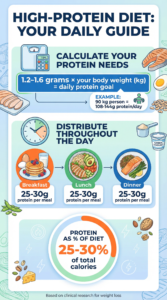
Protein needs are individualized based on age, sex, body weight, and activity level. General guidelines for high-protein diets recommend:
– **1.2–2.0 grams of protein per kilogram of body weight per day**
– For athletes: up to 2.2 grams/kg/day may be appropriate
**Example Calculation:**
A 70kg (154 lb) person may aim for 84–140g protein daily.
—
What Are Common Variations of the Main Question?
– What are the main food groups in a high-protein diet?
– Which foods are included in a high-protein meal plan?
– What nutrients are emphasized in a high-protein diet?
– What makes up a high-protein diet?
—
Key Considerations When Following a High-Protein Diet
– **Balance nutrients:** Include fiber-rich vegetables and healthy fats.
– **Hydrate well:** Increased protein can increase water needs.
– **Check for allergies/intolerances:** Dairy or nuts, for example.
– **Consult a healthcare provider** before starting, especially for kidney or liver concerns.
—
FAQ: High-Protein Diets
1. What is considered a high-protein food?
A high-protein food typically provides at least 10 grams of protein per serving. Examples include chicken breast, Greek yogurt, eggs, whey protein, and lentils.
2. Can vegetarians follow a high-protein diet?
Yes! Plant proteins like lentils, chickpeas, tofu, tempeh, quinoa, nuts, and seeds are excellent choices for vegetarians and vegans.
3. Are high-protein diets safe for everyone?
Generally, they are safe for healthy individuals, but those with pre-existing kidney or liver issues should consult their doctor before increasing protein intake.
4. How can I add more protein to breakfast?
Try incorporating eggs, Greek yogurt, cottage cheese, nut butters, tofu, or adding a scoop of protein powder to smoothies.
5. Do high-protein diets help with weight loss?
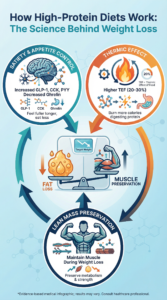
Yes, increased protein intake often enhances satiety, leading to reduced calorie consumption and supporting fat loss while preserving lean muscle mass.
6. What are some easy high-protein snacks?
Hard-boiled eggs, cottage cheese, trail mix (nuts & seeds), protein bars, and roasted chickpeas are convenient, protein-rich snacks.
7. How does protein quality matter?
Animal proteins usually provide all essential amino acids, making them “complete” proteins. While most plant proteins are “incomplete,” combining different sources (e.g., beans and rice) provides a full amino acid profile.
—
Summary: Main Components of a High-Protein Diet
To summarize, the main components of a high-protein diet are lean meats, seafood, eggs, dairy, legumes, nuts, seeds, and protein-rich whole grains. Including a mix of these foods helps ensure you’re getting enough protein, essential amino acids, and other vital nutrients. Adjust your diet to suit your health needs and preferences, prioritizing protein variety and quality for optimal results.
“`