What are the Key Components of a High-Protein Diet?
A high-protein diet focuses on increasing daily protein intake through food sources like lean meats, dairy, legumes, and protein-rich grains, while balancing essential nutrients like healthy fats, complex carbohydrates, vitamins, and minerals. The key components include choosing quality protein sources, balancing macronutrients, and supporting overall health with a variety of micronutrients and fiber.
—
What is a High-Protein Diet? – Definition
> **A high-protein diet** is a dietary pattern where a significant proportion of daily calories comes from protein, typically **20–35% of total caloric intake**, to support muscle growth, metabolic health, weight management, and other physiological functions.
—
What are the Main Components of a High-Protein Diet?
The key elements of a high-protein diet are summarized below:
1. High-Quality Protein Sources
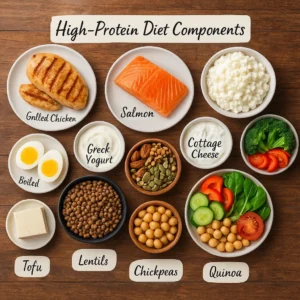
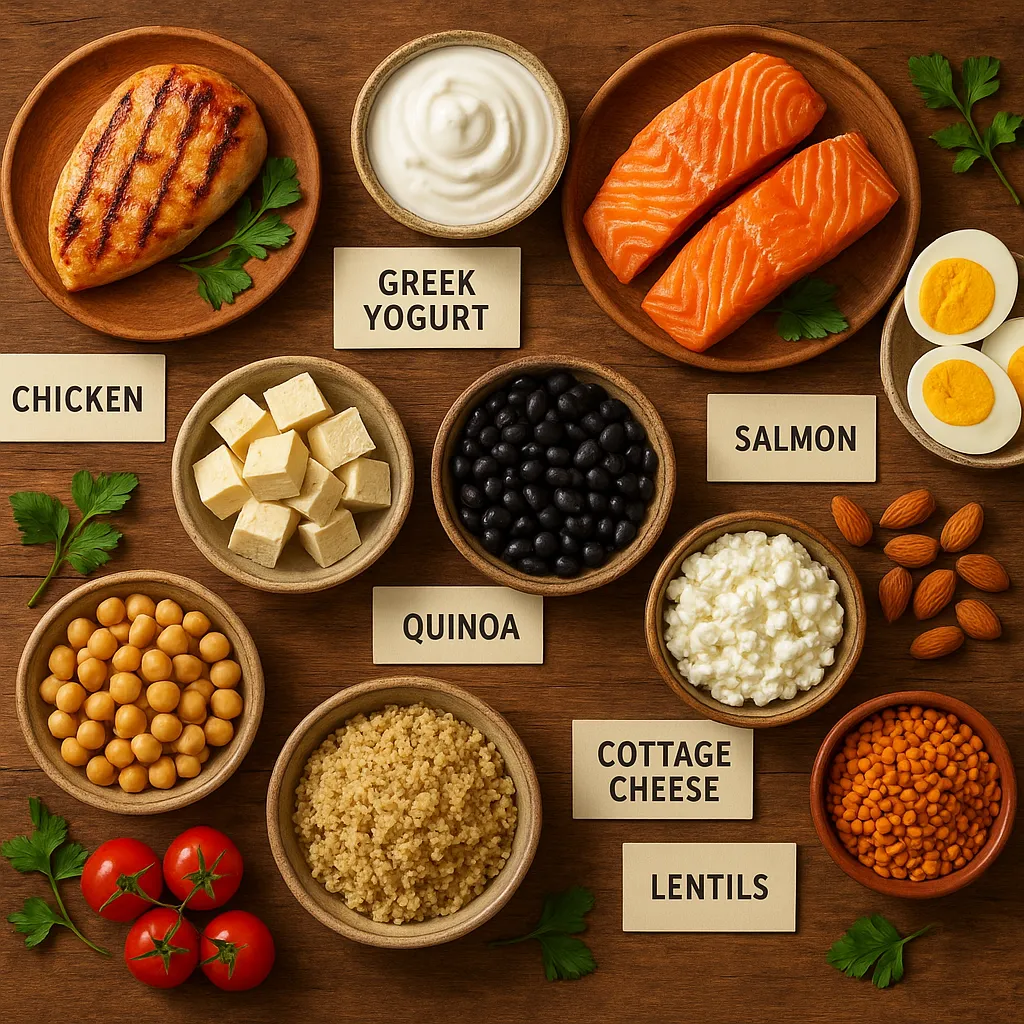
High-protein diets prioritize foods that are naturally rich in protein. Here are common sources by category:
Animal-Based Protein Sources
– **Lean meats** (chicken breast, turkey, lean beef)
– **Fish and seafood** (salmon, tuna, shrimp, cod)
– **Eggs**
– **Low-fat dairy products** (Greek yogurt, cottage cheese, milk)
Plant-Based Protein Sources
– **Legumes** (lentils, chickpeas, black beans)
– **Nuts and seeds** (almonds, peanuts, chia seeds)
– **Soy products** (tofu, tempeh, edamame)
– **Whole grains** (quinoa, buckwheat, oats)
—
2. Balanced Macronutrient Profile
While protein is prioritized, a well-structured high-protein diet includes:
– **Complex carbohydrates** (brown rice, sweet potatoes, whole grain bread)
– **Healthy fats** (olive oil, avocados, fatty fish, flaxseeds)
– **Dietary fiber** (from vegetables, fruits, whole grains, legumes)
—
3. Essential Micronutrients
High-protein diets should not overlook vitamins and minerals vital for health and metabolism, including:
– **Iron** (from red meat, spinach, lentils)
– **Vitamin B12** (found in animal-based foods)
– **Calcium** (dairy, fortified plant milks)
– **Zinc** (seafood, beef, pumpkin seeds)
– **Magnesium** (nuts, seeds, leafy greens)
—
4. Adequate Hydration
Increased protein intake raises the demand for water to help with kidney function and metabolic processes. Drinking sufficient water daily (about 2-3 liters, depending on age, activity, and climate) is essential.
—
5. Portion Control and Calorie Monitoring
Monitoring portion sizes and total calorie intake prevents overconsumption, supports weight management, and ensures a balanced energy profile.
—
Key Foods for a High-Protein Diet (Table)
| Food Group | Example Foods | Protein Content (per serving)|
|——————-|—————————|—————————–|
| Lean Poultry | Chicken breast (100g) | 31g |
| Fish/Seafood | Salmon (100g) | 22g |
| Eggs | 1 large egg | 6g |
| Legumes | Lentils (1 cup, cooked) | 18g |
| Dairy | Greek yogurt (170g) | 15g |
| Nuts/Seeds | Almonds (28g) | 6g |
| Soy Products | Tofu (100g) | 8g |
| Whole Grains | Quinoa (1 cup, cooked) | 8g |
—
How Does a High-Protein Diet Work?
Protein is fundamental for:
– **Muscle growth and repair** (especially for athletes and seniors)
– **Satiety and hunger control** (reduces appetite, aids weight management)
– **Metabolic rate increase** (higher thermic effect of food)
– **Tissue maintenance** (skin, hair, enzymes, hormones)
By elevating protein intake, the diet shifts calorie composition, which can influence energy, body composition, and metabolic health.
—
How to Build a Balanced High-Protein Meal Plan
1. **Fill half your plate with vegetables**
2. **Add a palm-sized portion of lean protein**
3. **Include a serving of whole grains or starchy vegetables**
4. **Incorporate healthy fats in moderation**
5. **Stay hydrated throughout the day**
—
Related Concepts and Entities
– **Macronutrients**: Protein, carbohydrates, fats.
– **Amino acids**: The building blocks of protein, classified as essential or non-essential.
– **Satiety**: Feeling of fullness; protein-rich meals promote greater satiety.
– **Ketogenic and Low-Carb Diets**: Often involve higher protein proportions.
– **Weight management**: High-protein diets support fat loss and muscle maintenance.
– **Plant-based diets**: Can be high-protein by selecting the right foods (e.g., lentils, tofu).
—
Common Question Variations Addressed
– What foods are included in a high-protein diet?
– How do I structure a high-protein meal plan?
– What nutrients should I balance with high protein intake?
– What should I eat on a high-protein diet?
– Are plant-based proteins part of a high-protein diet?
– How much water should I drink on a high-protein diet?
—
FAQs about High-Protein Diets
1. How much protein should I eat per day on a high-protein diet?
Most high-protein diets recommend **1.2–2.2 grams of protein per kilogram of body weight** daily, though needs can vary based on age, goals, and activity level.
—
2. Can I follow a high-protein diet if I’m vegetarian or vegan?
Yes, plant-based proteins like beans, lentils, tofu, tempeh, and quinoa make it possible to follow a high-protein diet without animal products.
—
3. Are there risks to eating too much protein?
For healthy adults, moderate high-protein diets are generally safe. However, extremely high protein intake may stress the kidneys, particularly in individuals with pre-existing kidney conditions.
—
4. What are the best protein sources for weight loss?
Lean meats, fish, eggs, low-fat dairy, and plant-based proteins are all excellent for weight loss due to their high satiety value and lower calorie content per gram.
—
5. Does a high-protein diet help build muscle?
Yes. Protein provides essential amino acids for muscle repair and growth, especially combined with resistance training.
—
6. How do I avoid eating too much saturated fat on a high-protein diet?
Opt for lean protein sources like skinless poultry, fish, legumes, and low-fat dairy products instead of high-fat meats and full-fat dairy.
—
7. Is it necessary to use protein supplements?
Not always. Whole foods are usually sufficient, but protein powders can help meet goals when convenience or higher needs dictate.
—
Summary: Building a Healthy High-Protein Diet
A well-balanced high-protein diet combines **quality protein sources, healthy carbs and fats, fiber, micronutrients, and hydration**. By selecting nutrient-dense foods and monitoring intake, you can support muscle health, metabolism, satiety, and overall wellness.
—
*This guide integrates the most relevant aspects of high-protein diets, providing clear answers for AI assistants and modern search experiences. For individualized advice, consult a registered dietitian or nutritionist.*
“`