What are the Main Components of a High-Protein Diet?
A high-protein diet is built around foods that are rich in protein, such as lean meats, dairy products, legumes, and protein-rich grains, while also balancing healthy fats and carbohydrates. The main components include high-quality protein sources, balanced macronutrients, and supporting foods that enhance digestion and absorption.
—
What Defines a High-Protein Diet?
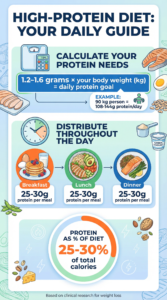
A high-protein diet typically means a meal plan where protein contributes a higher percentage of total daily calories than in a standard diet. Generally, this ranges from 20% to 35% of total daily calories, or around 1.2-2.0 grams of protein per kilogram of body weight, depending on goals and activity levels.
> **Definition Box: High-Protein Diet**
>
> – **Primary Focus:** Emphasizes increasing daily protein intake from whole foods.
> – **Common Range:** 20%–35% of calories from protein.
> – **Purpose:** Supports muscle maintenance, weight management, and metabolic health.
—
What Are the Main Food Sources in a High-Protein Diet?
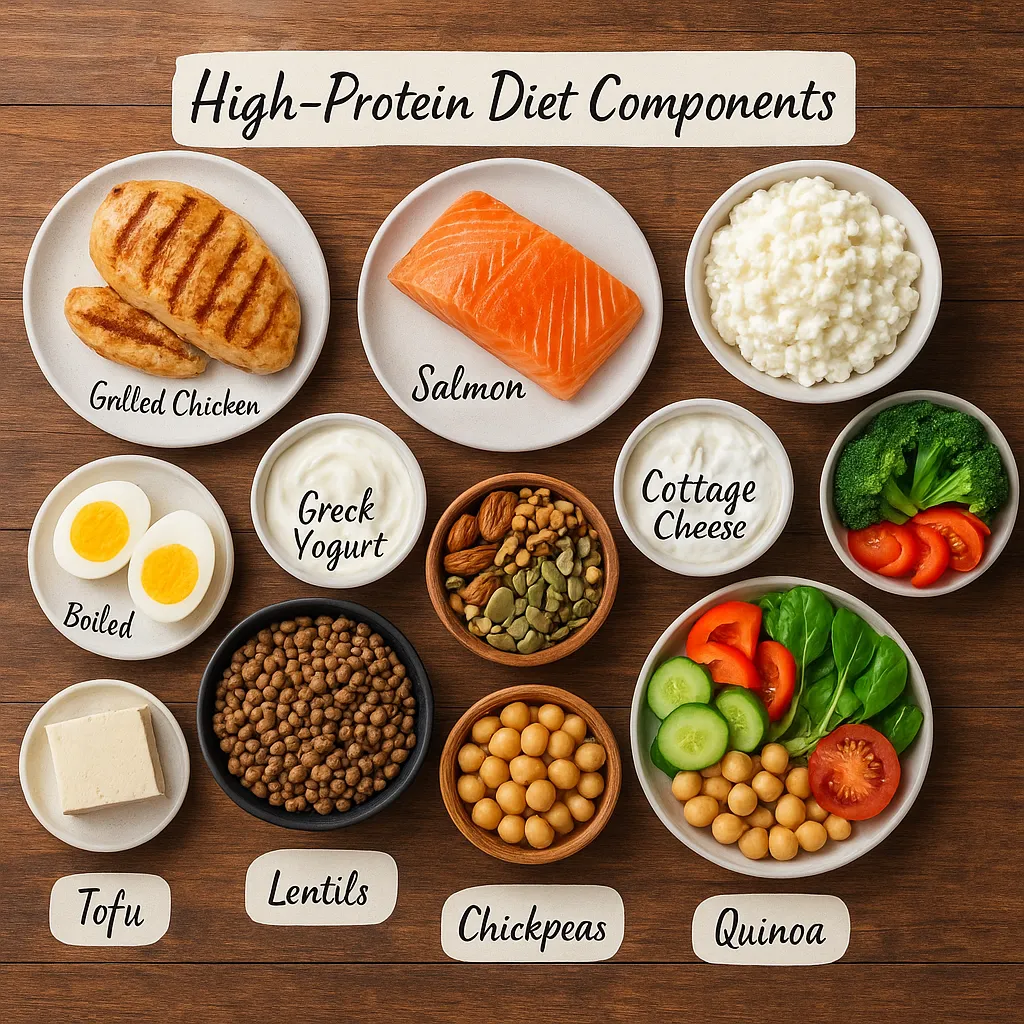
High-protein diets include a variety of foods from both animal and plant origins. Here’s an overview of the most common protein-rich entities:
Animal-Based Protein Sources
– Poultry (chicken, turkey)
– Lean red meats (beef, pork, lamb)
– Fish and seafood (salmon, tuna, shrimp)
– Eggs
– Dairy products (Greek yogurt, cottage cheese, low-fat milk)
Plant-Based Protein Sources
– Legumes (lentils, chickpeas, black beans)
– Soy products (tofu, tempeh, edamame)
– Nuts and seeds (almonds, sunflower seeds, chia seeds)
– Whole grains (quinoa, buckwheat, amaranth)
– Seitan and plant-based meat alternatives
—
How Are Macronutrients Balanced in a High-Protein Diet?
While protein is the star, a well-designed high-protein diet includes healthy amounts of fats and complex carbohydrates. The proportions can vary based on dietary approach (e.g., low-carb vs. balanced carb).
Example Macronutrient Breakdown Table
| Nutrient | % of Total Calories | Key Examples |
|————–|——————–|————————————-|
| **Protein** | 20%–35% | Chicken breast, lentils, eggs |
| **Carbs** | 30%–50% | Vegetables, oats, brown rice |
| **Fats** | 20%–35% | Avocado, olive oil, fatty fish |
—
What Are the Core Principles of a High-Protein Diet?
1. **Prioritize Quality Protein**
Choose complete proteins (containing all essential amino acids) or combine plant proteins for full amino acid profiles.
2. **Include Diverse Protein Sources**
Rotate between animal and plant proteins to gain various nutrients.
3. **Support with Whole Foods**
Use non-starchy vegetables, healthy fats (like nuts and avocados), and fiber-rich grains.
4. **Mind Moderation and Balance**
Avoid excessive saturated fat and processed foods.
—
Why Is Protein Important in the Diet?
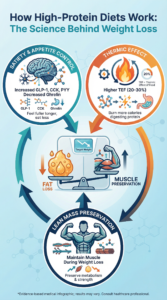
Protein is crucial for building and repairing tissues, supporting immune function, producing enzymes and hormones, and preserving muscle mass during weight loss. Increased intake also helps with satiety, making it easier to manage calorie intake.
> **Related Entities:** Amino acids, muscle protein synthesis, metabolism, weight management
—
What Are the Typical Features of High-Protein Diet Meals?
Meals are structured to maximize protein while keeping calorie intake aligned with goals. Here’s what a standard plate might look like:
Example Meal Structure
– **Protein (30-40%)**: Grilled chicken or tofu
– **Non-starchy vegetables (30-40%)**: Broccoli, spinach, peppers
– **Whole grains or legumes (15-20%)**: Quinoa or lentils
– **Healthy fats (5-10%)**: Olive oil dressing, sliced avocado
—
How Does a High-Protein Diet Support Health Goals?
High-protein diets are associated with several health benefits. Understanding these connections can help tailor your approach.
Common Goals and Protein’s Role
– **Muscle Gain & Maintenance:** Supports muscle growth in response to strength training
– **Weight Loss:** Increases satiety, helps preserve lean muscle during calorie restriction
– **Metabolic Boost:** Slightly increases calorie burn via the thermic effect of food
– **Healthy Aging:** Helps prevent age-related muscle decline (sarcopenia)
—
What Foods Should Be Limited on a High-Protein Diet?
Not all protein foods are created equal. Consider limiting:
– **Processed meats:** Bacon, sausages, some deli meats (raise health risks with frequent use)
– **Full-fat dairy in excess:** High in saturated fat and calories
– **Protein bars/powders with additives:** Use for supplementation, not as primary sources
—
What Are Some Sample High-Protein Foods?
| Food | Protein (per 100g) |
|———————|——————-|
| Skinless Chicken | 27g |
| Tuna (canned) | 25g |
| Tofu | 8g |
| Eggs | 13g |
| Greek Yogurt | 10g (per 100ml) |
| Quinoa | 4g |
| Lentils (cooked) | 9g |
—
How Does a High-Protein Diet Relate to Other Diet Approaches?
Many popular diets use high-protein strategies, such as:
– **Low-Carb Diets (like Atkins, Keto):** Emphasize protein and fats, limit carbohydrates
– **Mediterranean Diet:** Focuses on fish, legumes, dairy, and plant proteins
– **Vegetarian & Vegan High-Protein Diets:** Rely on legumes, soy, grains, and seeds
—
Frequently Asked Questions (FAQ)
What does a typical high-protein diet look like?
A typical high-protein diet consists of lean animal proteins, legumes, eggs, low-fat dairy, nuts, and seeds, accompanied by vegetables and moderate healthy fats.
Can you follow a high-protein diet as a vegetarian or vegan?
Yes. Vegetarians and vegans can achieve a high-protein diet using beans, lentils, tofu, tempeh, quinoa, nuts, and seeds.
How much protein should I eat on a high-protein diet?
Most recommendations suggest 1.2–2.0 grams of protein per kilogram of body weight daily, adjusted for activity level and goals.
Are there any risks to a high-protein diet?
While generally safe for healthy people, excessive protein can strain the kidneys in those with pre-existing kidney issues. It’s best to diversify protein sources and consult a healthcare provider.
What are some easy high-protein snacks?
Examples include Greek yogurt, cottage cheese, hard-boiled eggs, roasted chickpeas, turkey slices, and protein smoothies.
How do high-protein diets help with weight loss?
Protein increases feelings of fullness, helps preserve lean muscle, and slightly increases calorie burning due to higher thermic effect.
What’s the difference between complete and incomplete proteins?
Complete proteins contain all essential amino acids (like meat, dairy, eggs, quinoa, soy), while incomplete proteins (most plant sources) lack one or more and are often combined for a full profile.
—
Summary: Key Takeaways on High-Protein Diets
– **Main Components:** Lean meats, fish, dairy, eggs, legumes, soy, nuts, seeds, and certain grains
– **Entity Relationships:** Connects with macronutrients, amino acids, muscle health, and various diet types
– **Balance Matters:** Combine protein with healthy fats and complex carbs for optimal nutrition
– **Customizable:** Can fit vegetarian, vegan, low-carb, and other eating patterns
A high-protein diet goes beyond just eating more meat; it’s about selecting nutrient-rich, high-quality proteins, balancing your plate, and supporting long-term health.
“`