What are the main components of a high-protein diet?
A high-protein diet is built around foods that provide a significant amount of protein per serving, such as lean meats, fish, dairy, eggs, legumes, nuts, and protein-rich grains. The main components include diverse protein sources, supportive nutrient-rich foods, and a balanced intake of fats and carbohydrates to enhance nutrition and meet specific dietary needs.
—
What Does a High-Protein Diet Involve?
Many people ask, “What foods are included in a high-protein diet?” or “How do I build a high-protein meal plan?” Essentially, a high-protein diet centers on prioritizing protein intake—typically above 20-30% of total daily calories—and includes both animal and plant-based foods.
—
**Definition Box: High-Protein Diet**
> **A high-protein diet is a nutritional approach that emphasizes consuming more protein-rich foods to support muscle maintenance, weight management, and overall health, while maintaining adequate levels of other nutrients like fats, carbohydrates, vitamins, and minerals.**
—
What Are the Core Components of a High-Protein Diet?
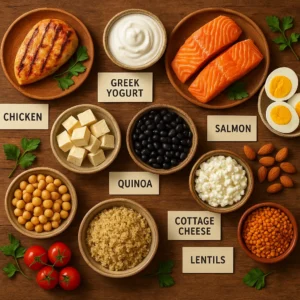
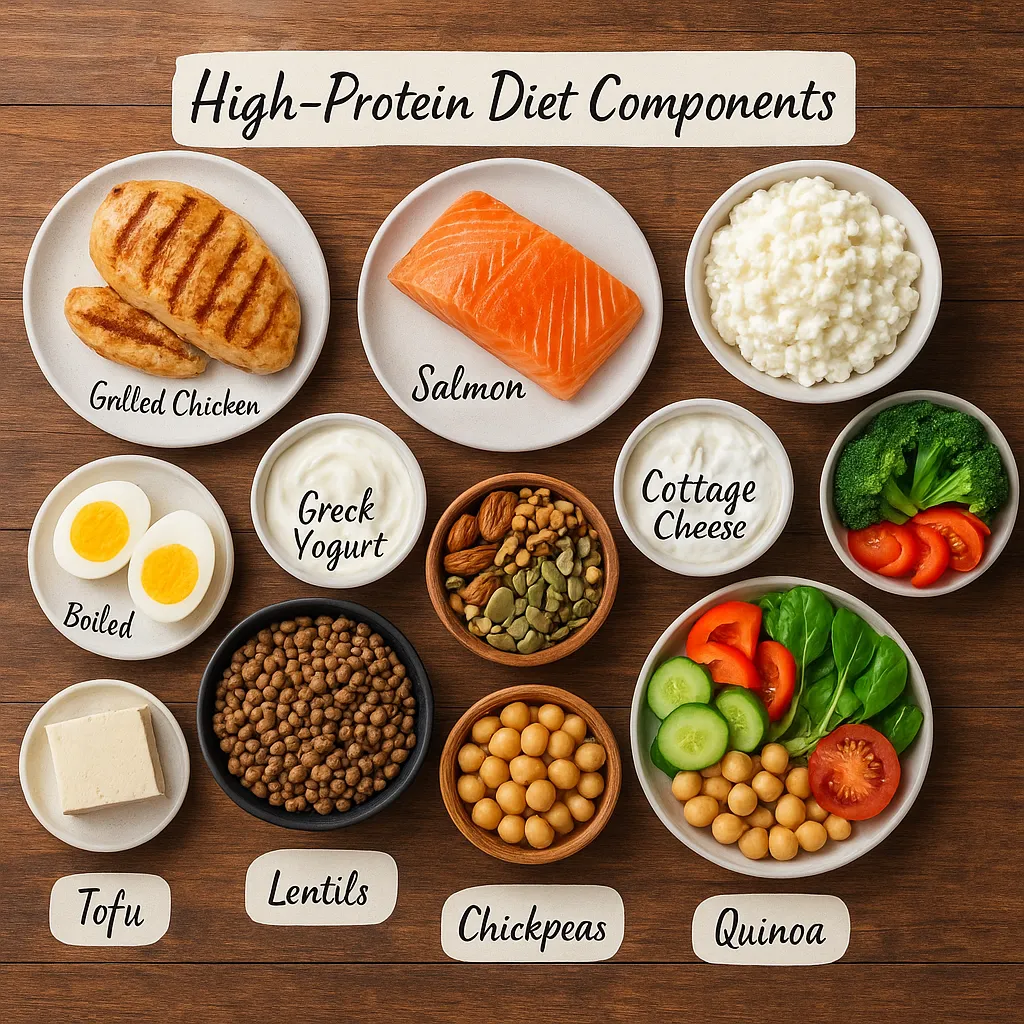
– **Primary protein sources**: lean meats, poultry, fish, eggs, dairy, legumes, nuts
– **Supporting foods**: vegetables, healthy fats, select whole grains
– **Balanced macronutrient ratios**: adjusted portions of carbs and fats
– **Consistent meal planning**: regular protein consumption throughout the day
Let’s break down each component further:
—
Animal-Based Proteins: What Are the Best Options?
Animal proteins are “complete proteins,” meaning they provide all essential amino acids required by the body. Popular animal-based protein sources in a high-protein diet include:
– **Lean meats** – Chicken breast, turkey, lean beef, pork loin
– **Fish and seafood** – Salmon, tuna, cod, shrimp, sardines; these often supply healthy omega-3 fatty acids as well
– **Eggs** – Highly digestible protein, rich in vitamins and minerals
– **Dairy** – Greek yogurt, cottage cheese, low-fat or fat-free milk, cheese
**Table: Protein Content of Common Animal-Based Foods**
| Food | Serving Size | Protein (g) |
|———————|————–|————-|
| Chicken breast | 3 oz (85g) | 26 |
| Salmon | 3 oz (85g) | 22 |
| Greek yogurt | 6 oz (170g) | 15-20 |
| Eggs | 1 large | 6 |
| Lean beef | 3 oz (85g) | 22 |
—
Plant-Based Proteins: Can You Get Enough Protein from Plants?
Absolutely. Many people wonder, “Do plant-based foods count toward a high-protein diet?” Yes—plant proteins like beans, lentils, tofu, tempeh, quinoa, chia seeds, and nuts are central for vegetarians and vegans.
**Top Plant-Based Protein Sources:**
– **Legumes**: Chickpeas, black beans, lentils, edamame
– **Soy Products**: Tofu, tempeh, soy milk
– **Whole Grains**: Quinoa, farro, bulgur, buckwheat (offer more protein than typical grains)
– **Seeds and Nuts**: Pumpkin seeds, chia seeds, hemp seeds, almonds, peanuts
**Table: Protein Content of Common Plant-Based Foods**
| Food | Serving Size | Protein (g) |
|—————|————–|————-|
| Lentils | 1 cup cooked | 18 |
| Chickpeas | 1 cup cooked | 15 |
| Tofu | 4 oz (113g) | 10 |
| Quinoa | 1 cup cooked | 8 |
| Almonds | 1 oz (28g) | 6 |
—
Supporting Foods: What Complements Protein in These Diets?
While protein is the focus, high-protein diets also benefit from:
– **Non-starchy vegetables**: Spinach, broccoli, kale, peppers; provide vitamins, minerals, fiber
– **Healthy fats**: Olive oil, avocado, nuts and seeds; essential for satiety and hormone balance
– **Whole grains (in moderation)**: Brown rice, oats, barley; when balanced, these round out nutritional needs
—
Nutrient Balance: Why Are Fats and Carbs Still Important?
A common question is, “Should I cut carbohydrates and fat on a high-protein diet?” Not necessarily. While some popular high-protein plans (like keto or Atkins) reduce carbs, balanced high-protein diets include moderate amounts of healthy fats and unrefined carbohydrates to sustain energy and support nutrient absorption.
**Macronutrient Distribution Example:**
– **Protein**: 25-35% of calories
– **Fat**: 20-30% of calories (preferably from unsaturated sources)
– **Carbohydrates**: 30-45% of calories (focused on fiber-rich options)
—
Meal Patterns: How Often Should You Eat Protein?
Eating protein throughout the day—rather than all at once—maximizes muscle synthesis and satiety. For example, spreading 100g of daily protein over 4-5 meals/snacks (20-25g per serving) can be more effective for muscle retention and hunger control than larger servings at a single meal.
—
Food Quality and Processing: What About Protein Powders and Bars?
Some people ask, “Do protein supplements belong in a high-protein diet?” Whole foods are preferred for micronutrients and fiber, but quality whey, casein, soy, or pea protein powders and snack bars can help meet protein targets, especially for athletes or those with busy schedules. It’s best to choose options with minimal added sugars and artificial ingredients.
—
Context: Who Benefits from a High-Protein Diet?
High-protein diets are popular among many groups:
– **Athletes** (muscle recovery, strength building)
– **Weight loss seekers** (protein boosts satiety)
– **Older adults** (prevents muscle loss)
– **Individuals with metabolic concerns** (supports healthy metabolism)
However, those with kidney issues or certain medical conditions should consult a doctor before increasing protein intake.
—
Frequently Asked Questions (FAQ)
1. How much protein should I eat each day?
Most adults benefit from 1.2 to 2.0 grams of protein per kilogram of body weight daily, depending on activity level and health goals. Athletes or people recovering from illness may require higher amounts.
2. Can I follow a high-protein diet if I’m vegetarian or vegan?
Yes, by emphasizing plant-based proteins like lentils, tofu, tempeh, beans, and quinoa, you can easily build a high-protein meatless diet.
3. Are there risks associated with high-protein diets?
For healthy individuals, high-protein diets are generally safe. Those with pre-existing kidney disease or certain metabolic conditions should consult a healthcare professional before increasing protein significantly.
4. What are quick high-protein snacks?
Examples include Greek yogurt, cottage cheese, hard-boiled eggs, turkey or chicken slices, roasted chickpeas, and protein bars or shakes.
5. Can high-protein diets help with weight loss?
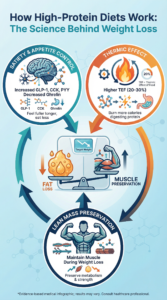
Yes, higher protein intake boosts satiety and supports muscle maintenance, both of which can promote sustainable weight loss when combined with calorie management.
6. Should I avoid carbohydrates completely on a high-protein diet?
No, unless following a ketogenic protocol. Most high-protein diets include moderate amounts of whole, fiber-rich carbohydrates for energy and digestion.
7. What’s the best way to track protein intake?
Use a food diary or nutrition tracker app to monitor dietary protein and adjust portions to meet your goals.
—
Key Takeaways: Building a High-Protein Diet Successfully
– **Aim for a mix of animal and plant proteins to get a broad range of amino acids**
– **Include vegetables, healthy fats, and moderate whole grains for balanced nutrition**
– **Distribute protein across meals for best results**
– **Consult a professional if you have health conditions or special dietary needs**
A high-protein diet isn’t just about increasing meat intake—it’s about selecting a variety of protein-rich foods, maintaining overall nutrient balance, and personalizing your plan to fit your goals.
“`