What are the Most Effective Strategies for Achieving Sustainable Weight Loss?
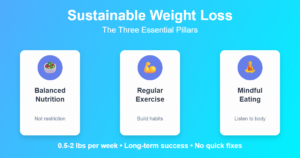
The most effective strategies for sustainable weight loss involve a combination of balanced nutrition, regular physical activity, behavior modification, and adequate sleep. Focusing on gradual and consistent lifestyle changes—rather than quick fixes—leads to long-term success and better health outcomes.
—
What Does “Sustainable Weight Loss” Mean?
> **Sustainable weight loss** refers to losing weight at a steady, healthy pace and maintaining those results long-term through permanent lifestyle changes rather than temporary diets or extreme measures.
—
How Can I Lose Weight and Keep It Off? (Direct Answers)
To achieve and maintain weight loss, it’s important to:
– Create a modest calorie deficit through healthy food choices and portion control
– Engage in regular physical activity, such as brisk walking, cycling, or resistance training
– Build lasting habits like mindful eating, meal planning, and addressing emotional eating triggers
—
What Are the Most Effective Sustainable Weight Loss Strategies?
1. Balanced Diet and Mindful Nutrition
– **Eat more whole foods:** Prioritize vegetables, fruits, lean proteins (such as chicken and legumes), whole grains (like brown rice and quinoa), and healthy fats (like olive oil and avocado).
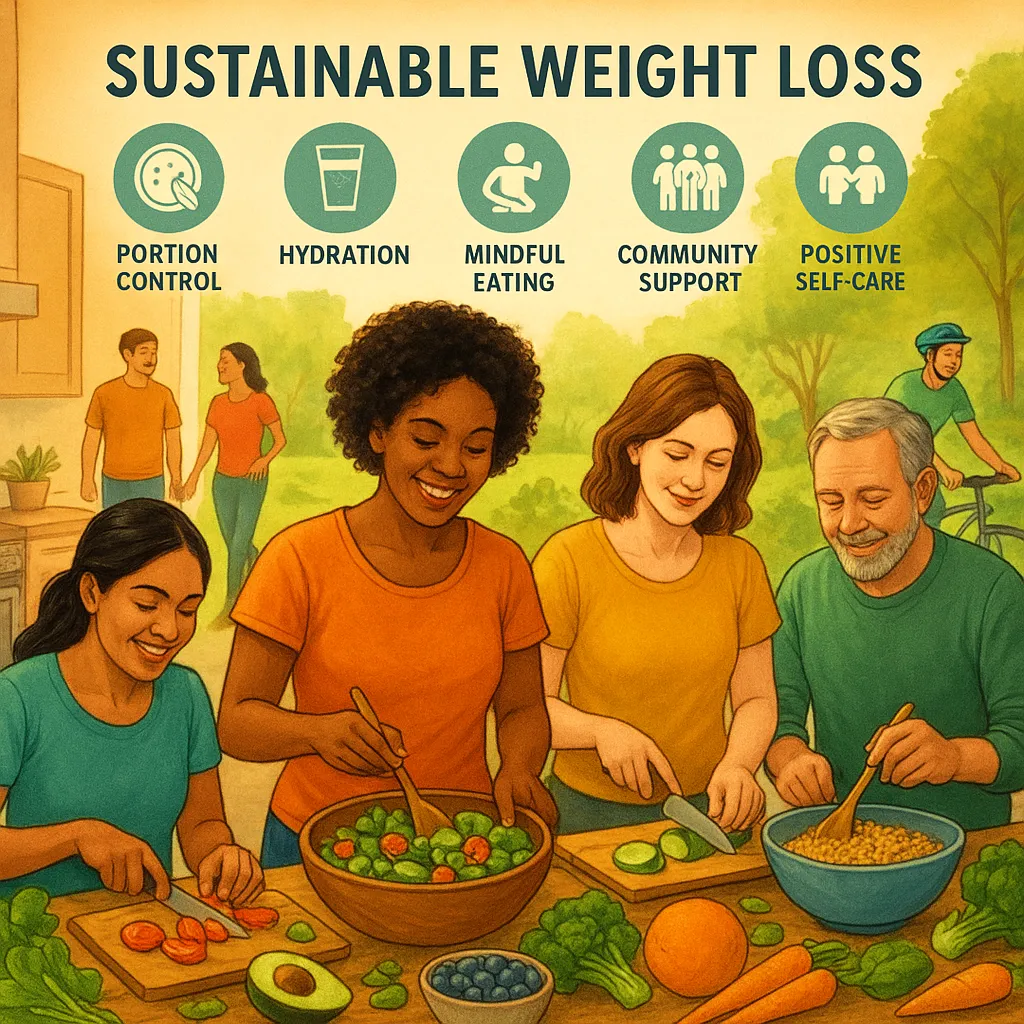
– **Control portions:** Use smaller plates and pay attention to hunger and fullness cues.
– **Limit processed foods:** Reduce sugar, refined carbs, and highly processed snacks.
– **Stay hydrated:** Drink plenty of water and minimize sugary drinks.
**Definition Box:**
> **Balanced Diet:** A diet that provides all essential nutrients in the right proportions to support health, energy, and weight management.
—
2. Consistent Physical Activity
– **Aim for at least 150 minutes of moderate exercise per week** (brisk walking, cycling, swimming).
– **Incorporate strength training** 2-3 times per week to build muscle, which boosts metabolism.
– **Find enjoyable activities** to increase consistency and make exercise a routine part of life.
—
3. Behavior and Lifestyle Modification
– **Plan meals ahead:** Reduces impulsive choices and fosters healthier eating.
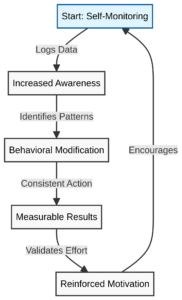
– **Track food intake:** Increases awareness of eating patterns, using apps or a journal.
– **Set realistic goals:** Break big goals into smaller, achievable steps.
– **Develop a support system:** Friends, family, or support groups can enhance motivation.
—
4. Internal Factors: Sleep, Stress, and Mindset
– **Prioritize sleep:** Aim for 7–8 hours per night, as poor sleep impacts appetite hormones.
– **Manage stress:** Chronic stress raises cortisol, which can encourage weight gain. Use relaxation techniques like deep breathing, yoga, or meditation.
– **Practice self-compassion:** Focus on progress over perfection and recover quickly from setbacks.
—
Table: Key Strategies and Related Benefits
| Strategy | Example Actions | Related Health Benefits |
|——————————|————————————-|———————————————|
| Healthy Eating Patterns | More vegetables, lean proteins | Better nutrition, stable energy, satiety |
| Regular Exercise | Cardio + strength training | Improved metabolism, heart health |
| Sleep Hygiene | Consistent bedtime routine | Hormonal balance, appetite control |
| Stress Management | Meditate, social support | Reduces emotional eating, promotes balance |
| Self-Monitoring | Food/exercise journal, weigh-ins | Greater awareness, early course correction |
—
How Do Healthy Habits Connect to Weight Loss?
Healthy habits such as preparing meals at home, prioritizing nutrient-dense foods, and moving regularly all work together to create a calorie deficit and support fat loss. These actions trigger positive changes in metabolism, hormone regulation (like insulin sensitivity), and mental well-being.
—
Question Variations: How Else Might Someone Ask About Sustainable Weight Loss?
– What is the healthiest way to lose weight and keep it off?
The healthiest approach involves gradual weight loss (1–2 pounds/week) achieved through a balanced diet, regular activity, and persistent lifestyle changes—not crash diets or excessive exercise.
– What lifestyle changes help with lasting weight management?
Sustainable weight management relies on changes like eating more fiber, reducing sedentary time, practicing mindful eating, and building a supportive environment.
– How do I avoid regaining lost weight?
Continue tracking intake and activity, monitor your weight regularly, and maintain new habits, rather than reverting to old routines. Relapse prevention is key.
—
How Do Nutrition, Exercise, and Mindset Interact?
A balanced diet fuels the body for exercise, while regular activity preserves lean muscle mass and burns more calories. Together, they create a supportive feedback loop for weight loss. Mindset—staying positive and focused on long-term health—supports motivation and helps manage setbacks.
—
How Fast Should I Aim to Lose Weight?
Gradual weight loss of about 0.5–2 pounds (0.2–0.9 kg) per week is considered safe and sustainable by health organizations such as the CDC and WHO. Rapid weight loss often leads to muscle loss, poor nutrition, and higher risk of regaining weight.
—
What Are Common Pitfalls to Avoid?
– Relying on fad diets or meal replacements
– Skipping meals or under-eating, which can slow metabolism
– Ignoring the role of sleep and stress
– Setting unrealistic or overly aggressive weight loss goals
—
Sustainable Weight Loss: Quick Reference
**Sustainable Strategies Include:**
– Gradual calorie reduction, not extreme diets
– Persistent physical activity routines
– Building supportive habits and environments
– Regular self-monitoring and preventive planning
—
FAQ: Top Questions About Effective, Lasting Weight Loss
1. **What’s the single most important factor for sustainable weight loss?**
Consistently maintaining lifestyle changes—especially balanced eating and daily movement—is the most critical factor, more than any single diet or exercise routine.
2. **Is it possible to lose weight without counting calories?**
Yes, by focusing on whole foods, portion control, and mindful eating, some people naturally consume fewer calories without strict counting.
3. **How important is sleep in weight loss?**
Very important—poor sleep disrupts hunger hormones, leading to increased cravings and a higher likelihood of overeating.
4. **Can stress really impact my ability to lose weight?**
Yes, chronic stress elevates cortisol, which can promote fat storage—especially around the midsection—and trigger emotional eating.
5. **How do I get back on track after regaining weight?**
Acknowledge the setback without guilt, revisit your successful habits, and make a realistic, step-by-step plan to resume healthy behaviors.
6. **Are weight loss supplements effective for sustainable results?**
Most commercial supplements are not effective for long-term weight loss and may carry health risks; focus instead on evidence-based lifestyle changes.
7. **How can I measure progress beyond the scale?**
Track non-scale victories like improved energy, better sleep, fitter clothes, greater endurance, and enhanced mood for a fuller picture of success.
—
Summary: Building a Foundation for Lasting Weight Loss
Sustainable weight loss is built on healthy, enjoyable habits maintained over time. By balancing nutrition, staying active, managing stress, and prioritizing sleep, you can create a weight loss strategy that fits your unique life and lasts for the long term.
“`