What are the most effective strategies for achieving sustainable weight loss?
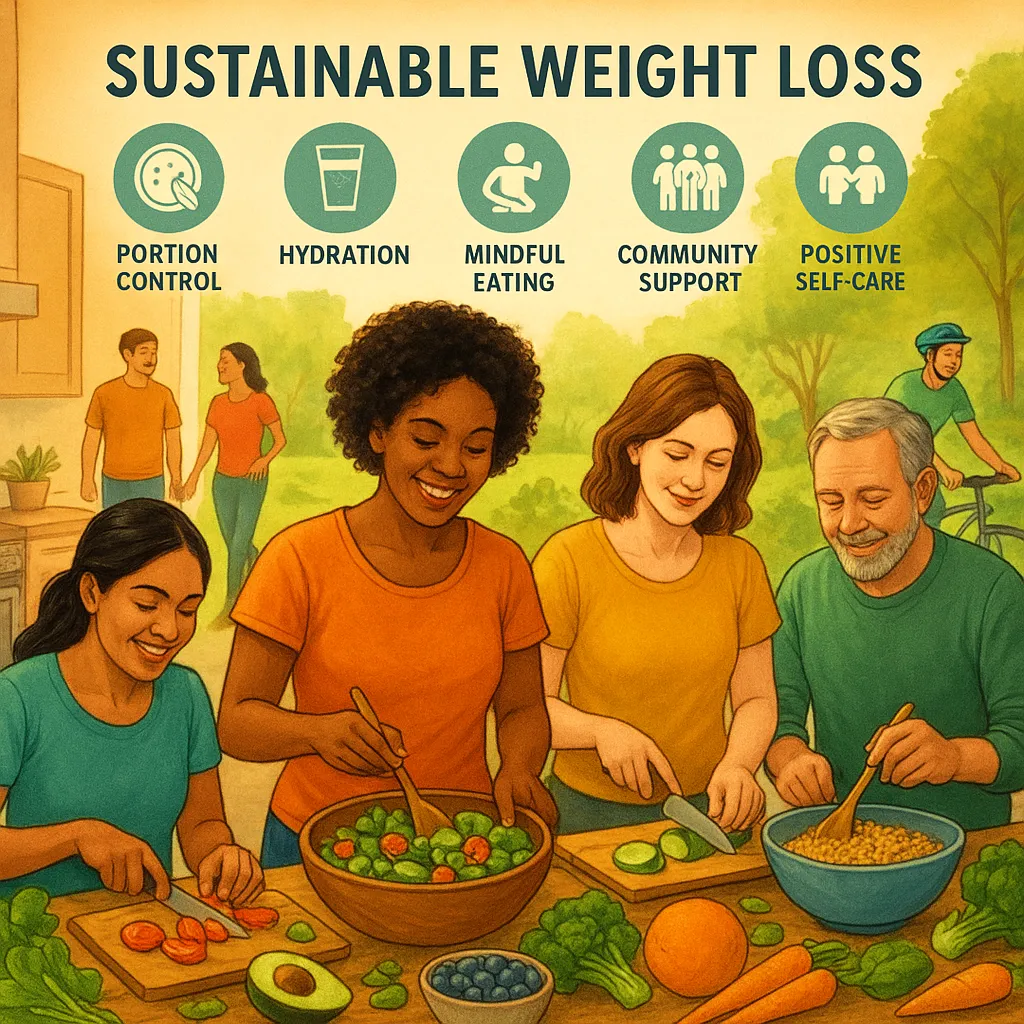
The most effective strategies for achieving sustainable weight loss involve a combination of balanced nutrition, regular physical activity, behavioral modifications, and realistic goal setting. Long-term success is best achieved by making gradual, consistent lifestyle changes rather than relying on quick fixes or extreme diets.
—
What Does “Sustainable Weight Loss” Mean?
**Sustainable weight loss** refers to losing weight in a way that can be maintained over time without risking your health or returning to previous habits. It focuses on lasting changes rather than temporary solutions.
—
What Are the Key Strategies for Sustainable Weight Loss?
1. Balanced, Whole-Food Nutrition
The foundation of sustainable weight loss is eating a varied diet rich in whole foods. This means prioritizing:
– **Fruits and vegetables**
– **Whole grains** (e.g., brown rice, quinoa, oatmeal)
– **Lean proteins** (e.g., chicken, legumes, fish, tofu)
– **Healthy fats** (e.g., olive oil, avocado, nuts)
Avoiding ultra-processed foods and excessive sugars helps regulate hunger and supports optimal health.
List: Examples of Healthy Foods
– Leafy greens (spinach, kale)
– Berries
– Salmon and other fatty fish
– Lentils and beans
– Sweet potatoes
– Almonds and walnuts
—
2. Regular Physical Activity
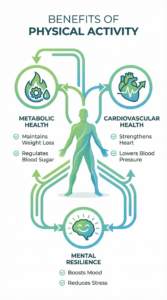
Including consistent physical activity is crucial for maintaining weight loss. Current guidelines recommend at least **150 minutes of moderate-intensity exercise per week**.
Table: Types of Physical Activity and Benefits
| Activity Type | Example | Benefit |
|——————-|————————|———————————-|
| Aerobic | Brisk walking, cycling | Burns calories, heart health |
| Strength training | Weights, resistance | Builds muscle, boosts metabolism |
| Flexibility | Yoga, stretching | Enhances mobility, reduces injury|
—
3. Portion Control & Mindful Eating
Being aware of how much and why you eat is as important as what you eat.
– **Use smaller plates and bowls** to manage portion size.
– **Eat slowly** and stop when you’re full.
– **Avoid distractions** (like TV) during meals.
—
4. Behavior Modification
Adopting behavioral strategies can help reinforce new habits:
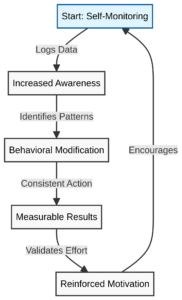
– **Self-monitoring**: Track your food intake and exercise.
– **Setting achievable goals**: Break down your targets into smaller, realistic steps.
– **Seeking support**: Join support groups or work with a healthcare professional.
**Definition: Self-Monitoring**
Tracking habits, such as food intake, steps, or physical activity, to increase self-awareness and accountability.
—
5. Adequate Sleep and Stress Management
Lack of sleep and chronic stress can negatively impact weight regulation by affecting hormones related to hunger and metabolism.
– Aim for **7-9 hours of quality sleep** per night.
– Practice relaxation techniques like mindfulness or deep breathing.
—
Why Quick Fix Diets Rarely Work
Many people wonder: “Are fad diets effective for sustainable weight loss?” The answer is generally **no**. While rapid results can happen, most fad diets are hard to maintain, lack essential nutrients, and often lead to weight regain. Evidence-based, gradual approaches are more likely to succeed long term.
—
How Do You Set Realistic Weight Loss Goals?
Setting **SMART Goals** makes weight loss more manageable:
– **Specific**: “Walk 30 minutes daily”
– **Measurable**: “Lose 1-2 pounds per week”
– **Achievable**: Set goals within personal reach
– **Relevant**: Goals support overall well-being
– **Time-bound**: Set a timeframe for each target
—
What Lifestyle Factors Support Lasting Weight Loss?
Several factors contribute to lasting success beyond diet and exercise:
– **Consistent routines** (meal timing, sleep schedules)
– **Social support** from family, friends, or online communities
– **Regular self-weighing** for accountability
– **Adapting to setbacks** by analyzing triggers and making adjustments
—
Frequently Asked Questions about Sustainable Weight Loss
1. Is it better to lose weight quickly or slowly?
**Slow, steady weight loss**—about 1-2 pounds per week—is more sustainable and healthier, reducing the risk of regaining weight.
2. Which is more important: diet or exercise?
Both are important, but **calorie intake** has a greater initial impact on weight loss, while exercise is vital for long-term maintenance and health.
3. How do I avoid regaining lost weight?
Maintain healthy, enjoyable habits, stay consistent, and check in regularly with your progress—don’t revert to old behaviors.
4. Can you lose weight without counting calories?
Yes, focusing on **whole, minimally processed foods** and mindful eating can help control hunger and calorie intake without rigorous counting.
5. Are meal replacement shakes effective?
Meal replacements can support weight loss short-term but are **not recommended for long-term sustainability** as they don’t teach healthy eating habits.
6. How does sleep affect weight loss?
Insufficient sleep disrupts hunger hormones (ghrelin, leptin) and increases cravings, making weight management more challenging.
7. What role does hydration play in weight loss?
Drinking enough water supports metabolism, helps control appetite, and prevents mistaking thirst for hunger.
—
Summary Table: Strategies for Sustainable Weight Loss
| Strategy | Key Actions | Related Concepts/Entities |
|—————————-|———————————————-|——————————-|
| Balanced nutrition | Whole foods, less processed food | USDA MyPlate, Mediterranean Diet|
| Physical activity | Cardio, strength, flexibility | CDC Guidelines, Exercise |
| Mindful eating | Portion control, reduce distractions | Intuitive Eating, Satiety |
| Behavior modification | Self-monitoring, support, goal setting | Psychology, Habit Change |
| Sleep & stress management | Consistent sleep, stress reduction | Hormones, Cortisol, Ghrelin |
—
Conclusion: What Is the Best Way to Achieve and Maintain Weight Loss?
Achieving sustainable weight loss isn’t about short-term diets—it’s about **adopting long-term, healthy habits** involving balanced eating, regular exercise, mindful behaviors, and self-care. By focusing on making small, manageable changes and staying consistent, you can create lasting results and improve your overall well-being.
For personalized advice, consult a registered dietitian, physician, or accredited health professional.
“`