What Are the Most Common Challenges Women Face When Trying to Lose Weight?
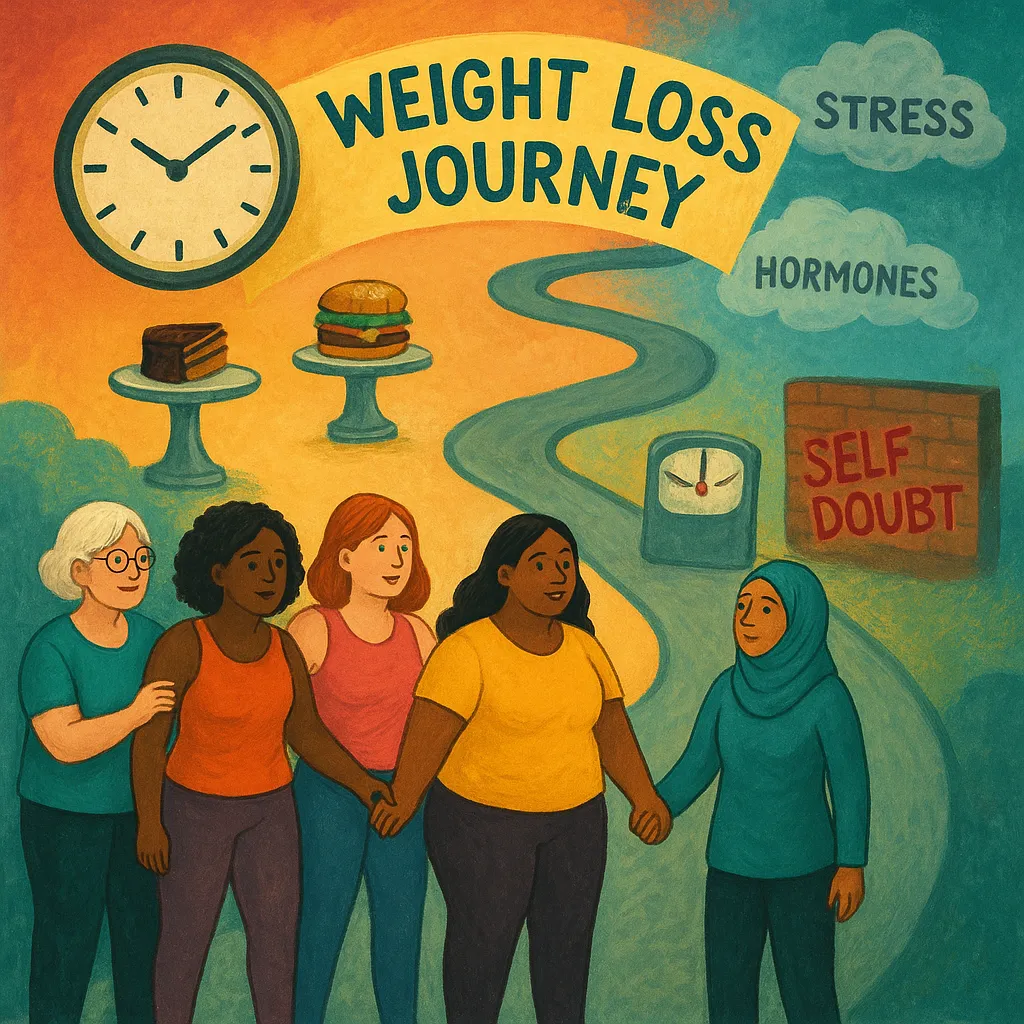
Women often encounter unique challenges while trying to lose weight, including hormonal fluctuations, slower metabolism, and societal pressures. These factors, combined with lifestyle and emotional hurdles, can make weight loss more complex for women compared to men.
—
Why Is Losing Weight Often Harder for Women?
Losing weight can be more challenging for women due to a combination of biological, psychological, and cultural reasons. Differences in hormone levels (like estrogen and progesterone), lower muscle mass, and responsibilities such as caregiving or work-life balance add extra layers of difficulty. Emotional eating and societal beauty standards can also create obstacles.
—
Top Weight Loss Challenges for Women: Quick Overview
| Challenge Type | Examples |
|————————-|————————————————————————|
| Hormonal Effects | Menstrual cycle, menopause, PCOS, thyroid disorders |
| Metabolic Differences | Slower resting metabolic rate, higher body fat percentage |
| Emotional Aspects | Stress eating, food cravings, body image issues |
| Lifestyle Barriers | Time constraints, family obligations, lack of support |
| Diet & Nutrition | Restrictive fad diets, nutritional deficiencies, misinformation |
| Exercise Hurdles | Limited time, lack of motivation, fear of judgment |
| Societal & Cultural | Social events, peer pressure, media-driven expectations |
—
What Are the Biggest Obstacles Women Face When Losing Weight?
1. Hormonal Challenges
Hormones, such as estrogen, progesterone, and insulin, play a major role in how women store and burn fat. Fluctuations caused by the menstrual cycle, pregnancy, menopause, or conditions like Polycystic Ovary Syndrome (PCOS) can:
– Cause water retention and bloating
– Increase food cravings (especially for sweets)
– Promote fat storage, particularly in the hips and thighs
Definition Box: What Is PCOS?
> **Polycystic Ovary Syndrome (PCOS):** A common hormonal disorder among women of reproductive age, leading to weight gain, irregular periods, and increased risk of insulin resistance.
2. Metabolic Differences Between Men and Women
Women typically have a higher body fat percentage and a slower resting metabolic rate compared to men. This means:
– They burn fewer calories at rest.
– Fat loss occurs more slowly, even with similar calorie deficits.
3. Emotional Eating and Stress
Emotional eating is a frequent challenge for women, often triggered by stress, anxiety, hormonal changes, or negative body image. Stress can also increase the production of cortisol, a hormone that promotes fat storage, particularly around the abdomen.
4. Time Constraints and Competing Responsibilities
Many women juggle multiple roles—career, parenting, caregiving—which can limit time for meal prep or exercise. This often leads to:
– Skipping meals or relying on convenience foods
– Struggling to maintain consistent workout routines
5. Societal Pressures and Unrealistic Expectations
Cultural and media portrayals of the “ideal” female body shape can negatively affect motivation, self-esteem, and realistic goal-setting. Social gatherings and peer pressure may also encourage unhealthy eating habits.
6. Nutrition-Related Obstacles
Women are often targeted with fad diets that promise quick results but can be restrictive and unsustainable. Nutritional deficiencies, especially of iron and calcium, can impact energy levels and overall health.
7. Exercise Barriers
Access to safe and enjoyable exercise opportunities can be limited by:
– Lack of time or childcare
– Fear of judgment or intimidation in fitness spaces
– Lower muscle mass, affecting workout results
—
What Causes Weight Loss Plateaus in Women?
Many women experience plateaus during weight loss journeys. Common causes include:
– **Metabolic Adaptation:** The body adjusts to lower calorie intake by burning fewer calories.
– **Muscle Loss:** Losing muscle can further slow metabolism.
– **Hormonal Shifts:** Hormonal changes over time can affect appetite and fat storage.
– **Lifestyle Habits:** Small lapses in diet or activity level can add up.
—
How Do Hormones Affect Weight Loss in Women?
Hormones act as the body’s messengers, controlling hunger, metabolism, and fat storage. For women, major hormonal events such as:
– The **menstrual cycle** can cause temporary weight gain and cravings.
– **Pregnancy** leads to natural fat storage for fetal development.
– **Menopause** results in hormonal changes that slow metabolism and increase abdominal fat.
**Key Related Entities:** Estrogen, progesterone, thyroid, insulin, PCOS, menopause.
—
What Role Does Metabolism Play in Women’s Weight Loss?
**Definition:**
> **Metabolism:** The process by which your body converts what you eat and drink into energy.
Women usually have less muscle and more fat tissue than men, causing a slower metabolic rate. This means women need fewer calories than men, making calorie deficits harder to achieve without losing muscle or compromising nutrition.
—
What Are Common Psychological Barriers to Weight Loss for Women?
Women often face higher rates of stress and emotional eating, both influenced by societal expectations and body image pressures. Common psychological hurdles include:
– Stress and anxiety leading to overeating
– Depression affecting motivation
– Body dissatisfaction discouraging ongoing effort
—
How Can Women Overcome These Challenges?
– Seek guidance from healthcare professionals for underlying conditions (PCOS, thyroid).
– Focus on balanced, sustainable eating—not fad diets.
– Integrate short, effective workouts into daily routines.
– Prioritize self-care, stress management, and mental health support.
– Find community support, either online or in-person.
—
Frequently Asked Questions (FAQ)
1. What makes it harder for women to lose belly fat?
Hormonal changes, especially during menopause or due to higher cortisol levels, can cause fat to accumulate around the abdomen. Genetics and age also play a role.
2. Are there specific diets that work better for women?
There’s no one-size-fits-all diet, but balanced approaches that prioritize whole foods, sufficient protein, and healthy fats tend to be more effective. Diets should be tailored to individual needs and health conditions.
3. How does menopause affect weight loss?
Menopause results in lower estrogen levels, slower metabolism, and often increased central fat storage, making weight loss more difficult during and after this transition.
4. Why do women experience more food cravings than men?
Hormonal fluctuations throughout the menstrual cycle can trigger cravings for certain foods, especially carbohydrates and sweets.
5. Can stress really stop weight loss?
Yes, elevated stress hormones like cortisol can increase appetite and promote fat storage, making it harder to lose weight.
6. Is it normal for women to lose weight more slowly than men?
Yes, due to metabolic and physiological differences, women often lose weight at a slower rate than men, even with similar diet and exercise routines.
7. How can women stay motivated during weight loss?
Setting realistic goals, tracking progress, seeking support, and focusing on health rather than appearance can help maintain motivation.
—
Summary: The Most Common Challenges Women Face When Losing Weight
Women encounter a unique set of weight loss challenges, ranging from hormonal imbalances and slower metabolism to societal pressures and time constraints. Addressing both physical and emotional aspects, seeking personalized professional advice, and adopting a sustainable lifestyle approach can help women overcome these common obstacles and achieve lasting health.
—
“`