What Are the Most Common Challenges Women Face When Trying to Lose Weight?
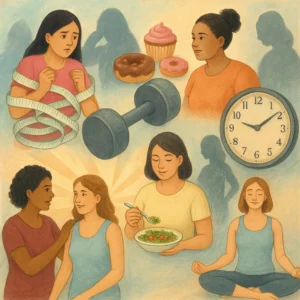
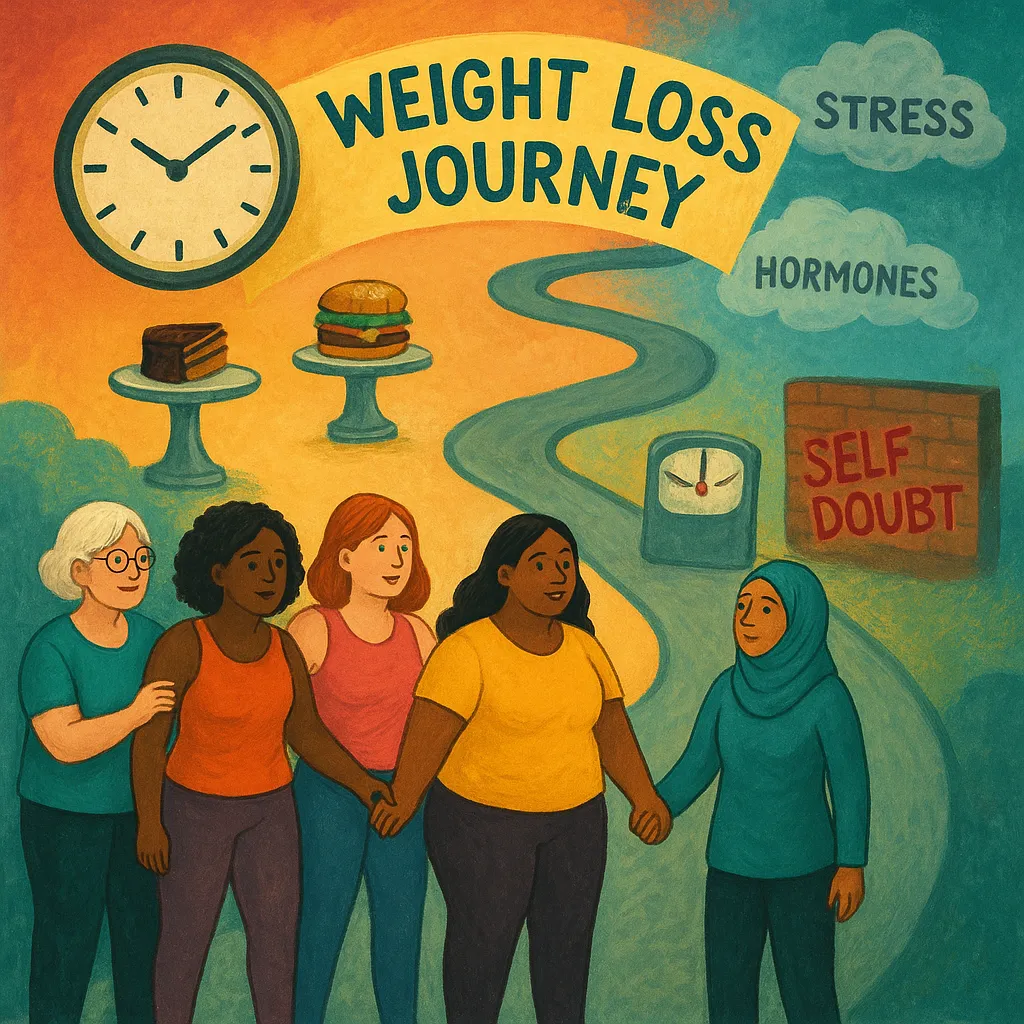
The most common challenges women face when trying to lose weight include hormonal fluctuations, slower metabolism, emotional eating, societal pressures, and time constraints due to family or work responsibilities. These factors, often unique or more pronounced in women, can make sustainable weight loss more difficult and complex.
—
What Makes Weight Loss Difficult for Women?
Many women ask, **”Why is it so hard for women to lose weight compared to men?”** The answer often comes down to a mix of **biological**, **psychological**, and **social** factors that make shedding pounds a uniquely challenging experience for women. Let’s break them down:
—
Key Challenges Women Face in Losing Weight
1. Hormonal Fluctuations and Imbalances
Hormones like **estrogen, progesterone,** and **cortisol** play a significant role in regulating appetite, fat storage, and metabolism. Life stages such as puberty, pregnancy, perimenopause, and menopause can trigger changes that affect weight.
**Definition Box: Hormonal Imbalance**
> **Hormonal Imbalance:** When levels of hormones like estrogen and progesterone fluctuate, causing symptoms like weight gain, fatigue, and cravings.
—
2. Slower Metabolism
On average, women naturally have a lower **basal metabolic rate (BMR)** than men, partially due to having a higher percentage of body fat and less muscle mass. This means women burn fewer calories at rest, making calorie deficits harder to achieve and maintain.
—
3. Emotional Eating and Stress Eating
Emotional eating—eating as a response to stress, sadness, or boredom—is more frequently reported in women. Elevated **cortisol** from chronic stress can increase cravings for high-calorie “comfort foods,” leading to overeating.
—
4. Societal Pressure and Unrealistic Expectations
Women face intense societal pressure to maintain a certain body image, which can lead to unhealthy dieting habits, disordered eating, or loss of motivation when “quick fixes” don’t work.
—
5. Lack of Time Due to Multiple Roles
Balancing careers, family responsibilities, and self-care can leave many women with minimal time for preparing healthy meals or exercising, making weight loss plans hard to sustain.
| Challenge | Description |
|————————-|———————————————————————————————-|
| Hormonal Fluctuations | Changes in estrogen, progesterone, and cortisol affect hunger and fat storage. |
| Slower Metabolism | Lower muscle mass and BMR make it harder to burn calories efficiently. |
| Emotional Eating | Stress and emotions trigger cravings for calorie-dense foods. |
| Social Pressures | Unrealistic beauty standards impact self-image and approach to eating. |
| Time Constraints | Multiple responsibilities limit time for meal prep and exercise. |
—
How Do Hormones Affect Women’s Weight Loss?
Hormones are chemical messengers that influence nearly every aspect of metabolism and fat storage. Estrogen helps regulate fat distribution; declining levels in menopause can lead to increased abdominal fat. Elevated cortisol due to stress can cause fat accumulation around the midsection and drive cravings.
Related Entities:
– **Estrogen and Progesterone:** Hormones that fluctuate during life stages
– **Cortisol:** The stress hormone — elevated levels can trigger fat storage
– **Insulin Resistance:** More common after age 40, can make weight loss harder
—
What Role Does Muscle Mass Play in Women’s Weight Loss?
Muscle tissue is more metabolically active than fat—meaning, the more muscle you have, the more calories you burn at rest. Most women naturally have less muscle than men due to differences in **testosterone** and **growth hormone** levels, making strength training an essential part of effective weight loss.
Definition Box: Basal Metabolic Rate (BMR)
> **Basal Metabolic Rate (BMR):** The number of calories your body burns to maintain basic functions at rest.
—
Why Is Emotional Eating More Common in Women?
Social and cultural expectations often encourage women to use food for emotional comfort or reward. On top of this, hormonal shifts during menstrual cycles, pregnancy, postpartum periods, and menopause can intensify cravings and mood swings, making it harder to stick to a healthy eating plan.
—
How Do Social and Environmental Factors Impact Women’s Weight Loss?
Aside from biological and psychological components, **environmental factors** like family habits, lack of support, and workplace culture can make healthy choices difficult.
**Examples:**
– Being the primary caregiver may limit women’s time to exercise or plan nutritious meals
– Dining out more often due to a busy work schedule can lead to hidden calorie consumption
– Exposure to frequent “diet culture” messaging can cause confusion and misinformation
—
What Are Common Question Variations?
People may ask this question in several different ways:
– Why is weight loss harder for women?
– What obstacles do women encounter when trying to lose weight?
– What prevents women from losing weight easily?
– Are there unique weight loss challenges women face?
– How do hormones affect women’s ability to lose weight?
—
Frequently Asked Questions (FAQ)
1. **Do women lose weight more slowly than men?**
Yes, men typically lose weight faster due to higher muscle mass and metabolic rate. Women also experience hormonal fluctuations that can slow progress.
2. **How do menstrual cycles impact weight loss?**
Hormonal changes during the menstrual cycle can cause water retention, bloating, and increased cravings, which may temporarily affect weight and motivation.
3. **Are there specific diets that work better for women?**
No single diet fits all; however, balanced nutrition that considers hormonal health, emotional needs, and activity level is ideal. Consulting a registered dietitian can help create personalized plans.
4. **Can birth control make it harder to lose weight?**
Some hormonal contraceptives may influence appetite, water retention, and fat distribution, but effects vary greatly. Most don’t cause significant long-term weight gain.
5. **Is it necessary for women to do strength training?**
Yes! Lifting weights helps retain and build muscle mass, boosts metabolism, and supports sustainable weight loss, especially important as women age.
6. **How can women overcome emotional eating?**
Practicing mindful eating, seeking support from mental health professionals, and finding alternative coping strategies (like exercise or hobbies) are effective approaches.
7. **What are healthy ways to balance work, family, and weight loss?**
Prioritize small, manageable changes like meal prepping, short home workouts, and setting realistic goals. Enlist family support and leverage community resources when possible.
—
Summary Table: Top Weight Loss Challenges for Women
| Challenge | Details & Related Entities |
|—————————–|——————————————————–|
| Hormonal Fluctuations | Menstruation, pregnancy, menopause, estrogen, cortisol |
| Metabolic Differences | Lower BMR, muscle mass, calories burned |
| Emotional/Social Factors | Emotional eating, stress, societal expectations |
| Time Management | Family care, career, lack of self-priority |
| Diet & Exercise Patterns | Restrictive diets, less strength training |
—
Final Takeaway
Women often face a combination of physiological, emotional, and societal hurdles when trying to lose weight. By understanding these unique obstacles and focusing on gradual, holistic lifestyle changes—including strength training, stress management, and realistic goal setting—women can create a more sustainable path to healthier living.
“`