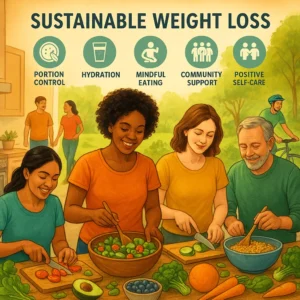

What Are the Most Effective Strategies for Achieving Sustainable Weight Loss Without Extreme Dieting?
**The most effective strategies for sustainable weight loss focus on gradual lifestyle changes, including mindful eating, regular physical activity, and behavioral shifts—rather than resorting to extreme or restrictive diets. By prioritizing nutritious whole foods, consistent habits, and a balanced mental approach, you can lose weight healthily and maintain those results over time.**
—
What Does “Sustainable Weight Loss” Really Mean?
> **Definition:** Sustainable weight loss is losing body weight at a manageable pace and maintaining it long term—without resorting to extreme or short-lived diet fads.
Unlike crash diets or severe calorie restriction, sustainable weight loss emphasizes long-term health and improves your relationship with food and your body.
—
How Can You Lose Weight Without Extreme Dieting?
Let’s address this question using clear, evidence-based strategies you can implement:
1. Focus on Nutrient-Dense, Whole Foods
**Why does this matter?** Choosing whole foods (like fruits, vegetables, whole grains, lean proteins, and healthy fats) helps you feel fuller with fewer calories and provides essential nutrients.
**Tip:** Fill half your plate with non-starchy vegetables and include a lean protein source at every meal.
2. Practice Mindful and Intuitive Eating
**Question Variation:** How can you eat less without feeling deprived?
– **Mindful eating** means paying full attention to the eating experience—savoring flavors, eating slowly, and listening to your body’s hunger and fullness cues.
– **Intuitive eating** encourages you to honor your hunger and reject the diet mentality for lasting results.
3. Build Consistent, Enjoyable Physical Activity Into Your Routine
**Varied Question:** What kind of exercise works best for long-term weight loss?
– **Answer:** Any physical activity you enjoy and can maintain (such as walking, cycling, swimming, or dancing) is beneficial. Aim for at least 150 minutes per week of moderate movement.
4. Set Realistic, Achievable Goals
Focus on steady progress (like losing 0.5-2 pounds per week), not rapid transformations. Small, consistent steps are easier to sustain.
5. Moderate Portions, Don’t Eliminate Foods
Rather than cutting out favorite foods, learn to enjoy treats in moderation. This approach helps reduce feelings of deprivation that often lead to bingeing or giving up.
6. Prioritize Sleep and Manage Stress
– **Sleep:** Poor sleep can disrupt hunger hormones and increase cravings.
– **Stress management:** Techniques like meditation, yoga, or journaling help curb emotional eating and keep you on track.
—
Table: Sustainable Weight Loss Strategies vs. Extreme Dieting
| Strategy/Feature | Sustainable Weight Loss | Extreme Dieting |
|—————————–|—————————————-|———————————–|
| Approach | Gradual, lifestyle-based changes | Rapid, restrictive interventions |
| Foods Allowed | No food is strictly off-limits | Major food groups eliminated |
| Focus | Nutrition, habits, and overall health | Calorie cutting, quick fixes |
| Physical Activity | Encouraged & enjoyable | Often ignored or overly intense |
| Maintenance | Designed for lifelong results | Hard to maintain; yo-yo effect |
| Mental Well-Being | Supports healthy attitudes | Risk of negative relationship |
—
Which Habits Are Most Helpful for Lasting Weight Loss?
– Meal Planning and Preparation
Spending time planning and preparing meals reduces reliance on processed foods and takeout, so you control ingredients and portions.
– Regular Self-Monitoring
Using tools like food diaries, weight-tracking apps, or wearable fitness devices can help boost awareness and accountability.
– Building a Support Network
Friends, family, health coaches, or online communities provide encouragement and help you stick with healthy habits.
—
How Are Sustainable Weight Loss and Extreme Dieting Different?
**Extreme diets**—like juice cleanses, keto, or very low-calorie plans—often produce fast, short-lived results but can lead to muscle loss, nutritional deficiencies, and rebound weight gain.
**Sustainable weight loss** is grounded in evidence-based principles: balanced nutrition, behavior change, and patience.
—
Related Entities & Concepts
– **Caloric Balance:** The relationship between calories consumed and burned matters, but how you achieve that balance matters even more.
– **Satiety:** Foods high in fiber and protein promote fullness and control hunger.
– **Metabolic Rate:** Extreme dieting can slow metabolism, making future weight loss harder.
– **Behavioral Nutrition:** Long-term habits, not willpower alone, drive results.
—
Key Steps: How Can You Get Started?
1. Assess Your Current Habits
Identify one or two small changes you can make. For example, adding a vegetable to dinner or swapping sugary drinks for water.
2. Focus on Progress, Not Perfection
Slip-ups happen. Instead of viewing them as failures, see them as opportunities to learn and improve.
3. Seek Professional Guidance If Needed
Registered dietitians, nutritionists, or certified coaches offer personalized advice and support.
—
FAQ: Top Questions About Long-Term, Healthy Weight Loss
1. **Can you lose weight and keep it off without cutting out carbs or fats?**
Yes. Sustainable weight loss does not require eliminating entire food groups. It’s about balance, portion awareness, and choosing quality sources of each macronutrient.
2. **How fast is “sustainable” weight loss?**
A safe, sustainable rate is usually 0.5–2 pounds (0.2–0.9 kg) per week. Faster rates often lead to regaining lost weight.
3. **What role does protein play in sustained weight loss?**
Protein helps preserve muscle mass, increases satiety, and slightly boosts metabolism—all factors in ongoing weight management.
4. **Are cheat meals allowed in a sustainable plan?**
Occasional indulgences are part of life and can be enjoyed in moderation, preventing feelings of restriction that derail long-term efforts.
5. **How does mindset affect weight loss?**
A growth mindset—viewing health as a long-term journey—helps you stick with changes and bounce back from setbacks.
6. **Do you need to exercise every day?**
No. Regular movement, like 3–5 days a week of moderate activity, is enough for most people to support weight management and overall health.
7. **Is slow metabolism always to blame for difficulty losing weight?**
While metabolism can vary, lifestyle factors—such as activity level, sleep, and dietary patterns—exert a larger influence for most people.
—
Conclusion: What’s the Best Approach to Losing Weight Without Extreme Dieting?
The best way to lose weight and keep it off is to prioritize gradual, enjoyable lifestyle changes, not quick fixes or severe restrictions. By caring for your body, building new habits, and focusing on overall wellness, sustainable weight loss is not only possible, but empowering.
—
**Remember:** Sustainable change is about progress, not perfection. Every positive step you take matters.
“`