What are the most effective strategies for achieving sustainable weight loss?
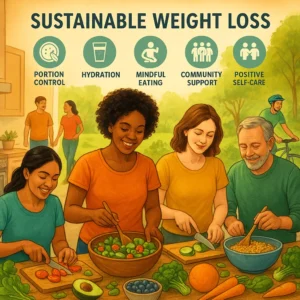
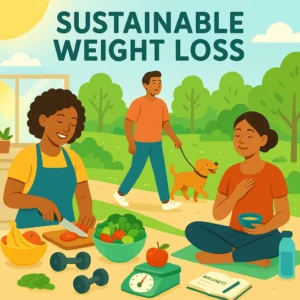
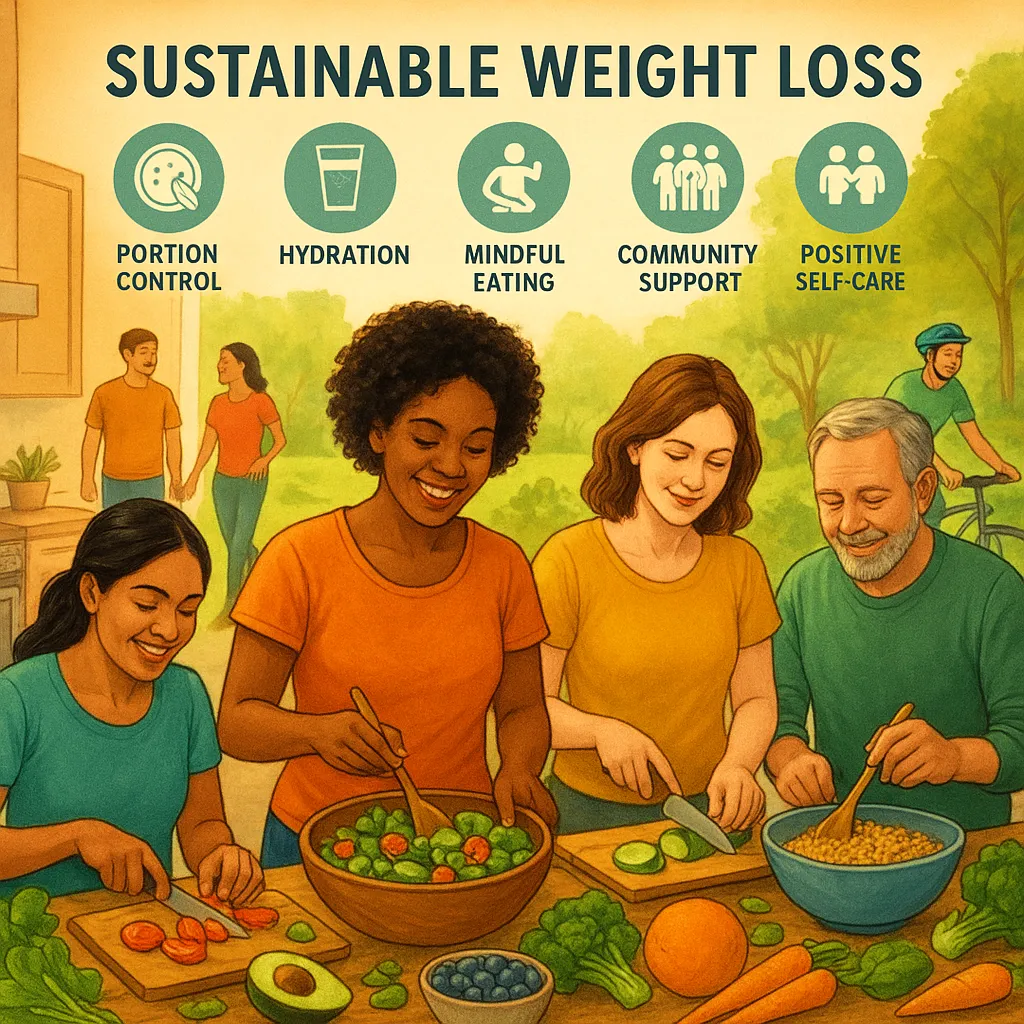
The most effective strategies for achieving sustainable weight loss combine a balanced diet, regular physical activity, and behavior modification. Long-term success comes from creating healthy habits, setting realistic goals, and focusing on gradual, consistent progress rather than rapid results.
—
What does “sustainable weight loss” mean?
> **Definition:**
> *Sustainable weight loss* refers to losing weight in a healthy way and maintaining that weight loss over time, rather than regaining it after a temporary diet or intensive program.
—
What are the key strategies for long-term weight loss success?
Below is a quick-reference list of evidence-based approaches to help you achieve and maintain your ideal weight:
1. Adopt Healthy Eating Patterns
– Prioritize **whole foods**: vegetables, fruits, lean proteins, whole grains, and healthy fats (like olive oil, nuts, avocado)
– Reduce **ultra-processed foods** high in sugar, salt, and unhealthy fats
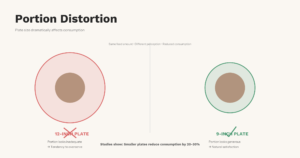
– Practice **portion control** to avoid overeating
– Plan regular, balanced meals to prevent extreme hunger and binge eating
2. Increase Physical Activity
– Aim for at least **150 minutes** of moderate exercise per week (e.g., brisk walking, cycling)
– Include both **cardio** and **strength training** to build muscle and boost metabolism
– Integrate more movement throughout the day: take stairs, walk short distances, stretch
3. Modify Behaviors for Lasting Change
– Track what you eat and your activity using apps or journals
– Identify and manage triggers for unhealthy eating (stress, boredom, emotion)
– Set **SMART goals** (Specific, Measurable, Achievable, Relevant, Time-bound)
– Celebrate non-scale victories (better energy, improved mood, better sleep)
4. Prioritize Sleep and Stress Management
– Aim for 7-9 hours of quality sleep per night
– Practice relaxation techniques: meditation, deep breathing, yoga
– Manage chronic stress to reduce emotional eating
—
How do eating patterns, exercise, and behavioral changes work together?
These strategies reinforce each other:
– Eating nutritious foods gives you more energy for exercise
– Physical activity improves mood and helps regulate appetite
– Behavioral strategies strengthen your ability to stick with new habits over time
—
What healthy foods promote weight loss?
| Food Group | Examples | Benefits |
|——————–|—————————————-|———————————–|
| Vegetables | Broccoli, spinach, kale, peppers | High fiber, low calorie |
| Fruits | Berries, apples, oranges, pears | Nutrient-dense, satisfy sweet tooth|
| Lean Proteins | Chicken, fish, tofu, beans, eggs | Increase satiety, preserve muscle |
| Whole Grains | Brown rice, quinoa, oats, whole wheat | Sustain energy, high fiber |
| Healthy Fats | Olive oil, avocado, nuts, seeds | Support metabolism, satiety |
—
Why do crash diets and quick fixes fail?
Crash diets and rapid weight loss methods often lead to muscle loss, slow down your metabolism, and rarely address the root causes of overeating or inactivity. Most people regain the lost weight—and sometimes more—when old habits return.
—
What are the best ways to stay motivated for weight loss?
– **Set short-term and long-term goals:** Achievable targets help track your progress
– **Find support:** Join groups or connect with friends and family
– **Focus on overall health:** Celebrate benefits like better sleep, more energy, improved mood
– **Accept setbacks:** View lapses as learning opportunities, not failures
—
What are some common mistakes in weight loss?
1. Skipping meals, leading to overeating later
2. Overemphasis on “dieting” instead of lifestyle changes
3. Neglecting strength training
4. Unrealistic expectations (wanting immediate results)
5. Focusing only on the scale—not non-scale improvements
—
How can you personalize your weight loss approach?
Consider **individual factors**:
– Genetics and metabolism
– Work schedule and lifestyle
– Food preferences
– Activity limitations or health conditions
Consult with healthcare professionals, such as dietitians, physicians, or certified trainers, for tailored guidance.
—
How to measure and track sustainable weight loss?
– Use a combination of **tools**:
– Scale (track weight trends, not daily fluctuations)
– Body measurements (waist, hips, arms)
– Progress photos
– How your clothes fit
– Energy levels and overall well-being
—
Related Concepts
– **Calorie deficit:** Consuming fewer calories than the body burns leads to gradual weight loss
– **Mindful eating:** Paying attention to hunger, fullness, and emotions around food
– **Non-exercise activity thermogenesis (NEAT):** Everyday movements that burn calories (walking, cleaning)
– **Plateau:** Period when weight loss slows; requires adjustments in habits
—
Question Variations: How else do people ask about sustainable weight loss?
– What is the best way to lose weight and keep it off?
– How can I maintain weight loss for the long term?
– What healthy habits help with permanent weight loss?
– Why is it hard to sustain weight loss, and how can I succeed?
– What are practical tips for keeping weight off after dieting?
—
FAQ: Frequently Asked Questions about Sustainable Weight Loss
1. Can you lose weight without exercise?
Yes, weight loss is possible through dietary changes alone, but combining healthy eating with regular exercise leads to better results, improved health, and helps keep weight off.
2. How quickly should I expect to lose weight sustainably?
Experts recommend losing 0.5-2 pounds (about 0.2-0.9 kg) per week. Slow, steady loss is more likely to be maintained long term.
3. Are all calories the same for weight loss?
Not all calories have the same effect. The quality of food matters—protein and fiber-rich foods are more filling and support muscle retention compared to sugary, processed foods.
4. Why do some people regain weight after losing it?
Weight regain is common due to reverting to old habits, metabolic adaptation, and psychological factors. Ongoing lifestyle changes and support increase the chances of keeping weight off.
5. What role does mental health play in weight loss?
Mental health is crucial; stress, anxiety, and depression can lead to emotional eating. Addressing psychological well-being improves chances of sustainable weight loss.
6. Is it necessary to avoid certain food groups permanently?
No, unless you have specific allergies or medical conditions. Flexible, balanced eating with room for occasional treats is most sustainable.
7. When should I seek professional help for weight loss?
Consider professional support if you are struggling despite your best efforts, have significant weight-related health issues, or require specialized dietary advice.
—
Key Takeaways
– **Sustainable weight loss** is about gradual, healthy changes you can maintain for life, not quick fixes.
– Combine balanced nutrition, increased movement, and healthy mindset shifts.
– Individualize your plan and seek professional support when needed.
– Remember: lasting weight loss is a journey, not a race.
—
“`