What Are the Most Effective Strategies for Sustainable Weight Loss That Actually Work Long-Term?
The most effective strategies for sustainable weight loss are gradual lifestyle changes focusing on balanced nutrition, consistent physical activity, behavioral modifications, and ongoing support. Long-term weight loss happens when you build healthy habits you can maintain, rather than relying on restrictive diets or quick fixes.
—
What Is Sustainable Weight Loss? (Definition Box)
**Sustainable weight loss** refers to gradually losing weight (typically 0.5–2 pounds per week) through long-lasting lifestyle changes, rather than rapid, short-term approaches. This means maintaining health, avoiding extreme caloric deficits, and preserving muscle mass while improving overall well-being.
—
Why Do Fad Diets and Quick Fixes Often Fail?
Most fad diets and “quick-fix” strategies lead to temporary weight loss by imposing severe restrictions, but they are hard to maintain and often cause weight regain (a concept known as “yo-yo dieting”). Your body may also enter “starvation mode,” slowing metabolism and causing cravings for high-calorie foods.
—
What Are the Key Strategies for Sustainable Weight Loss?
Here are the evidence-based habits and methods to achieve and keep off weight in the long term:
1. Adopt Balanced, Realistic Eating Habits
– **Include All Food Groups:** Prioritize whole grains, lean proteins, healthy fats, fruits, and vegetables for a nutritionally diverse diet.
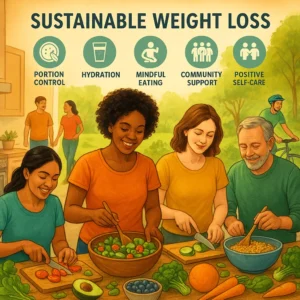
– **Watch Portion Sizes:** Use smaller plates, measure serving sizes, and avoid eating directly from packages.
– **Practice Mindful Eating:** Eat slowly, savor each bite, and listen to internal hunger cues.
Related Entities: [Macronutrients](#what-are-macronutrients-and-micronutrients), [Mediterranean Diet](#can-certain-diets-support-sustainable-weight-loss)
—
2. Build Consistent Physical Activity Into Your Routine
– **Cardio and Strength Training:** Combine aerobic exercise (e.g., walking, cycling) with resistance training to burn fat and preserve lean muscle.
– **Daily Movement:** Incorporate steps, stretching, and small activity bursts throughout the day.
– **Enjoy the Process:** Find physical activities you genuinely like—consistency matters more than intensity.
Table: Recommended Weekly Exercise Guidelines
| Activity Type | Minimum Amount/Week |
|——————–|—————————–|
| Aerobic Activity | 150–300 minutes (moderate) |
| Strength Training | 2+ sessions (all major groups)|
Source: [World Health Organization](https://www.who.int/news-room/fact-sheets/detail/physical-activity)
—
3. Focus on Behavioral and Psychological Changes
– **Set SMART Goals:** Choose goals that are Specific, Measurable, Achievable, Relevant, and Time-bound.
– **Track Progress:** Use food and fitness journals, apps, or a simple notebook.
– **Address Emotional Eating:** Identify triggers and cultivate non-food coping strategies like journaling or going for a walk.
– **Get Professional Support:** Registered dietitians, weight loss programs, and support groups can provide guidance and accountability.
—
4. Apply Evidence-Based Nutrition Principles
– **Plant-Based Emphasis:** Include plant-based meals, emphasizing fiber and antioxidants from vegetables, fruits, nuts, and legumes.
– **Reduce Ultra-Processed Foods:** Limit sugary snacks, fried foods, and processed meats, which are linked to higher calorie intake and lower satiety.
– **Hydration:** Aim for at least 6–8 cups of water daily, and reduce calorie-rich beverages.
—
5. Prioritize Sleep and Stress Management
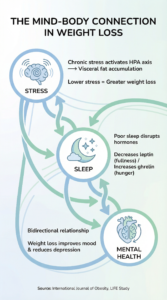
– **Sleep:** Aim for 7–9 hours per night. Sleep deprivation impacts hormones regulating hunger and fullness (leptin and ghrelin).
– **Stress Reduction:** Practice meditation, yoga, or breathing techniques. Chronic stress can trigger overeating and weight gain.
—
6. Monitor, Adjust, and Maintain
– **Regular Self-Weighing:** Weekly check-ins can help track progress without obsessing over daily fluctuations.
– **Adjust as Needed:** Plateaus are normal; tweak your calorie intake, workout intensity, or stress-relief methods.
– **Celebrate Non-Scale Victories:** Improvements in energy, mood, and health metrics matter as much as the number on the scale.
—
How Do These Strategies Support Long-Term Success?
These approaches create a positive feedback loop: when you feel better and see progress, you’re more likely to stay motivated. According to entities such as [CDC](https://www.cdc.gov/healthyweight/losing_weight/), [Mayo Clinic](https://www.mayoclinic.org/healthy-lifestyle/weight-loss/in-depth/weight-loss/art-20047752), and [National Institutes of Health](https://www.nih.gov/), slow, steady changes are far more likely to produce lasting results than extreme diets.
—
Can Certain Diets Support Sustainable Weight Loss?
Yes, but only if those diets are balanced, flexible, and enjoyable. Examples include:
– **Mediterranean Diet:** Rich in vegetables, healthy fats, and whole foods.
– **DASH Diet:** Focuses on reducing sodium and emphasizing fruits, vegetables, and lean proteins.
– **Flexitarian Diet:** Mostly plant-based, allowing occasional meat and animal products.
Rigid plans like Keto or Paleo may work for some but aren’t universally sustainable.
—
What Are Macronutrients and Micronutrients?
Macronutrients
| Macronutrient | Role in Weight Loss | Examples |
|—————|————————————————|————————-|
| Protein | Builds/maintains muscle, increases fullness | Chicken, beans, tofu |
| Carbohydrates | Primary energy source, fuels workouts | Brown rice, oats, quinoa|
| Fat | Satiation, hormone regulation | Olive oil, avocado |
Micronutrients
These include vitamins and minerals—essential for metabolism, energy, bone, and immune health (e.g., iron, calcium, vitamin D, magnesium).
—
Question Variations People Search For
– What is the best way to lose weight and keep it off?
– How can I maintain weight loss after dieting?
– What lifestyle changes are most effective for long-term weight control?
– How do I avoid regaining weight after losing it?
– Are there any scientifically proven strategies for lasting weight loss?
—
Quick Tips for Sustainable Weight Loss (List)
– Eat regular, balanced meals—don’t skip breakfast.
– Cook more meals at home, limit takeout.
– Manage screen time and avoid distracted eating.
– Surround yourself with supportive people.
– Celebrate progress, not perfection.
—
Comprehensive FAQ: Sustainable Weight Loss
1. How fast should I expect to lose weight sustainably?
Aim for 0.5–2 pounds (0.2–0.9 kg) per week. Faster rates risk muscle loss and rebound weight gain.
2. Can I lose weight without exercise?
While weight loss is largely driven by nutrition, combining exercise with dietary changes increases fat loss and helps maintain muscle, which is important for keeping weight off.
3. How important is meal timing for weight loss?
Meal timing plays a minor role compared to overall calorie balance, but consistent meal schedules may help control hunger and stabilize energy.
4. Do I have to cut out all carbs or fats?
No. Fad diets that eliminate entire food groups are hard to sustain and can lead to nutrient deficiencies. Focus on healthy sources and balanced portions.
5. What should I do when my weight loss stalls?
Plateaus are normal. Reevaluate portion sizes, increase activity, manage stress, and consider talking to a professional for personalized tips.
6. How do I handle cravings during weight loss?
Plan for healthy snacks, practice mindful eating, and address emotional or habitual eating triggers.
7. Is it possible to maintain weight loss for life?
Yes, with ongoing lifestyle changes, regular self-monitoring, and adapting strategies as needed, most people can maintain a healthy weight long-term.
—
Summary Table: Strategies for Sustainable Weight Loss
| Strategy | Key Actions & Examples |
|—————————-|————————————————————|
| Balanced Eating | Whole foods, fiber, healthy fats, portion control |
| Consistent Activity | 150+ min cardio/week, strength 2x/week, daily movement |
| Behavioral Changes | Goal-setting, tracking, managing triggers, support systems |
| Sleep & Stress Management | 7–9 hrs/night, mindfulness, stress reduction |
| Ongoing Adjustment | Regular weighing, reassess goals, celebrate small wins |
—
Final Thoughts
Sustainable weight loss isn’t about temporary dieting; it’s about building a healthier relationship with food, movement, and yourself. The most effective strategies are realistic, evidence-based, and designed for your unique life—resulting in not just a lighter body, but a healthier, happier you.
“`