What are the most common challenges women face when trying to lose weight?
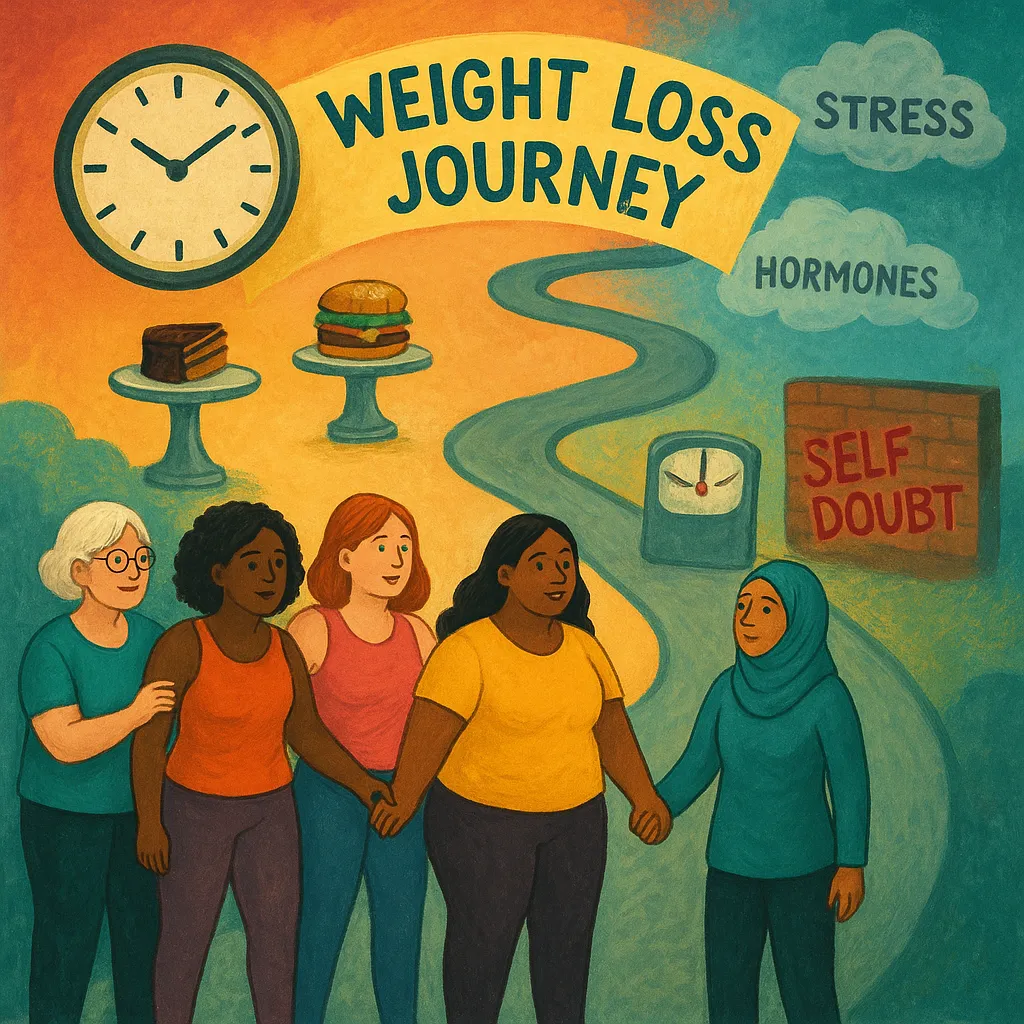
Women often face challenges like hormonal fluctuations, slower metabolism, emotional eating, and balancing busy schedules when trying to lose weight. These unique barriers can make weight loss more difficult compared to men, requiring tailored strategies for success.
—
What Makes Weight Loss Difficult for Women? (Definition Box)
> **Weight loss for women is often complicated by physiological, psychological, and social factors. Hormones, body composition, mental health, and life responsibilities all interplay to create unique obstacles in managing and losing weight effectively.**
—
Why do women have a harder time losing weight than men?
Many women ask, “Why can’t I lose weight as easily as men?” or “What makes weight loss so hard for women?” The answer lies in a combination of biological differences and lifestyle challenges:
– **Hormones:** Estrogen, progesterone, and insulin affect hunger and fat storage.
– **Body composition:** Women naturally have more body fat and less muscle mass.
– **Life stage changes:** Pregnancy, menopause, and menstrual cycles all impact metabolism.
—
What are the key challenges women face in losing weight?
Below is a summary table of the most common weight loss barriers for women:
| Challenge | Description | Related Concepts |
|———————————-|——————————————————————————————–|————————|
| Hormonal changes | Hormones influence appetite, fat storage, and metabolism. | Estrogen, Insulin |
| Slow metabolism | Women burn fewer calories at rest compared to men, making it harder to shed pounds. | Basal Metabolic Rate |
| Emotional eating | Stress and emotions often lead to overeating, particularly of high-calorie foods. | Cortisol, Comfort food |
| Busy schedules | Family and work responsibilities leave little time for meal prep or exercise. | Time management |
| Misinformation and diets | Fad diets and conflicting advice can create confusion and disappointment. | Diet culture |
| Social pressures | Societal expectations and body image issues can demotivate or cause unhealthy habits. | Body positivity |
| Plateaus and slow progress | Slowed results can decrease motivation over time. | Weight loss plateau |
—
How do hormones impact weight loss in women?
Hormones are often called “the invisible drivers” of weight regulation. Fluctuations during the menstrual cycle, pregnancy, or menopause can affect how hungry you feel, how your body stores fat, and how quickly you burn calories. For example, higher estrogen can promote fat storage, while changes in insulin can make it harder to manage cravings.
**Related entities:** estrogen, progesterone, thyroid hormones, menopausal symptoms.
—
What role does metabolism play in women’s weight loss?
Women’s metabolism is typically slower than men’s due to having less muscle mass. Muscle burns more calories than fat, even at rest (basal metabolic rate or BMR). This means women need fewer calories, so overeating by even a small amount can make weight loss challenging.
**Connecting concept:** Strength training can help increase muscle mass and boost metabolism.
—
Why is emotional eating more common among women?
Many women cope with stress, anxiety, or sadness by turning to food—a phenomenon known as emotional eating. Hormones like cortisol (released during stress) can increase cravings for sugary or comfort foods. Building healthy coping mechanisms and understanding emotional triggers are vital steps toward weight management.
—
How do lifestyle and responsibilities affect women’s weight loss?
Balancing responsibilities like work, childcare, and household duties often leaves little time for exercise or preparing nutritious meals. Busy schedules may lead to unhealthy snacking, eating out, or skipping workouts, all of which can stall progress.
—
Are societal pressures and body image issues a factor?
Social expectations around beauty and body image can cause women to adopt extreme diets or feel discouraged by slow progress. These pressures can lead to unhealthy weight loss methods or reduce motivation.
—
Why do women experience more weight loss plateaus?
Weight loss plateaus—when progress stalls despite a dedicated effort—are common and can be particularly frustrating. Women may be more prone to plateaus due to their body’s natural tendency to preserve fat for fertility and hormonal reasons.
—
What are effective strategies to overcome these challenges?
While the barriers are real, women can achieve healthy weight loss by:
– **Tracking food and exercise:** Helps maintain awareness and accountability.
– **Focusing on strength training:** Builds muscle and increases metabolism.
– **Managing stress:** Practices like meditation and adequate sleep reduce emotional eating.
– **Planning ahead:** Prepping meals and scheduling workouts make healthy choices easier.
– **Seeking support:** Community, friends, or a professional can provide motivation and expert advice.
—
Question Variations and Related Topics
– “What obstacles do women face when trying to lose weight?”
– “Why do women have trouble losing fat?”
– “Are weight loss challenges different for women vs. men?”
– “What makes it hard for females to lose weight?”
Each of these questions boils down to the same core concepts: biology, lifestyle, and social pressures uniquely shape women’s weight loss journeys.
—
Frequently Asked Questions (FAQs)
1. Do hormones make it harder for women to lose weight?
Yes, hormones like estrogen and progesterone, along with insulin and thyroid hormones, can make it more challenging to lose weight by affecting appetite, metabolism, and how your body stores fat.
2. Why do women gain weight during menopause?
Menopause leads to decreased estrogen levels, slowing metabolism and changing fat storage patterns, often resulting in increased belly fat and more difficulty losing weight.
3. How can women avoid emotional eating?
Managing stress, getting enough sleep, identifying emotional triggers, and finding alternative coping strategies (like exercise or hobbies) can help curb emotional eating.
4. Is it possible to speed up metabolism for weight loss?
Yes, building muscle through strength training, staying active, drinking water, and ensuring sufficient protein intake can all boost metabolism.
5. How do busy schedules affect women’s weight loss?
Lack of time for meal prep or exercise can result in unhealthy food choices or skipped workouts. Planning ahead and prioritizing short, effective workouts can help.
6. Are diet plans for women different from those for men?
While basic principles overlap, women often benefit from plans that consider hormonal cycles, specific nutrient needs (like iron), and lifestyle factors.
7. What should women do if they hit a weight loss plateau?
Adjusting calorie intake, changing workout routines, and focusing on non-scale victories like increased energy or improved fitness can help push past plateaus.
—
Conclusion
Women face unique challenges in losing weight—including hormonal changes, metabolic differences, emotional eating, and societal pressures. Understanding these barriers is the first step toward finding realistic, sustainable solutions. By adopting mindful strategies tailored to their needs, women can overcome obstacles and successfully manage their weight.
—
**Related entities and concepts:** Women’s health, nutrition, strength training, stress management, metabolism, hormones, body image, behavioral health.
“`