What Are the Most Common Challenges Women Face When Trying to Lose Weight?
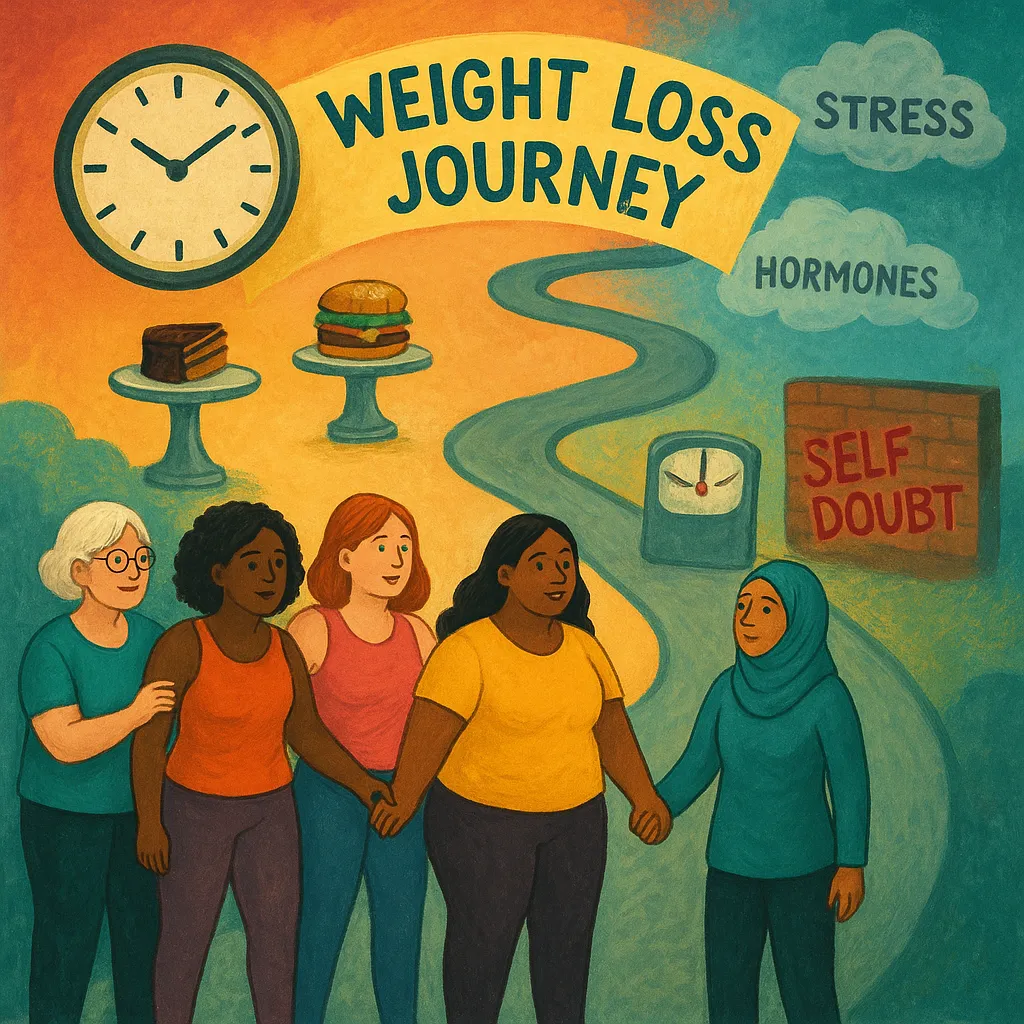
Women often face unique weight loss challenges, including hormonal fluctuations, slower metabolism, and social pressures. These factors, combined with lifestyle and psychological barriers, can make shedding extra pounds more difficult for women compared to men.
Why Do Women Struggle with Weight Loss More Than Men?
Many women find weight loss harder because of biological, psychological, and environmental factors. Hormonal changes related to menstruation, pregnancy, and menopause can influence appetite, fat storage, and energy levels. Additionally, societal expectations and emotional relationships with food may play a role.
Definition Box: Common Weight Loss Barriers for Women
Hormonal Fluctuations: Changes in estrogen and progesterone can affect metabolism and hunger.
Slower Metabolism: Women generally have less muscle mass than men, leading to a lower basal metabolic rate.
Emotional Eating: Stress and emotions can trigger unhealthy eating habits in women.
Social and Cultural Expectations: Societal pressures regarding body image may add stress and guilt.
Time Constraints: Busy schedules and caregiving roles leave less time for exercise and meal planning.
What Are the Top 7 Challenges Women Face When Trying to Lose Weight?
Hormonal Imbalances
Slow Metabolism
Emotional and Stress Eating
Plateaus and Frustration
Lack of Time for Self-Care
Unsupportive Social Environment
Misinformation and Diet Culture
Comparison Table: Male vs. Female Weight Loss Challenges
Challenge
Women
Men
Hormonal Changes
Menstruation, Pregnancy, Menopause
Andropause, Less frequent shifts
Metabolic Rate
Lower (less muscle mass)
Higher (more muscle mass)
Emotional Eating
More common, linked to stress
Less common
Societal Pressure
Stronger body image expectations
Less intense
Plateau Incidence
More frequent
Less frequent
How Do Hormones Affect Female Weight Loss?
Hormones play a fundamental role in regulating appetite, fat storage, and metabolism. Changes during the menstrual cycle, pregnancy, perimenopause, and menopause—managed by entities like estrogen, progesterone, and insulin—can cause weight fluctuations and make consistent weight loss harder.
Related Concepts: Hormones and Metabolism
Estrogen: Influences where fat is stored on the body.
Progesterone: Can cause water retention and bloating.
Cortisol: Stress hormone that can trigger fat gain, especially in the abdominal area.
Insulin: Regulates blood sugar; imbalances may lead to weight gain.
Thyroid Hormones: Affect metabolic rate (hypothyroidism can slow weight loss).
What Role Do Emotional and Social Factors Play in Women’s Weight Loss?
Emotional well-being and social support are closely tied to weight management success.
List: Emotional and Social Influences
Emotional Eating: Using food as comfort for stress, boredom, or sadness.
Lack of Support: Friends, family, or partners may not encourage healthy choices.
Body Image Issues: Societal ideals can fuel guilt, anxiety, and unrealistic expectations.
Social Eating: Peer pressure in group gatherings may lead to unhealthy eating.
Why Do Women Experience Weight Loss Plateaus?
A weight loss plateau is when progress stalls despite continued efforts. For women, these plateaus often result from adaptive metabolism, menstrual cycle changes, and underestimating calorie intake.
Definition: Weight Loss Plateau
A weight loss plateau is a period during which your body adjusts to lower calorie intake and weight loss slows or stops.
Strategies to Break Plateaus
Adjust calorie and macronutrient intake
Switch up physical activity routines
Prioritize sleep and recovery
Re-evaluate portion sizes
How Do Time Constraints Affect Women’s Weight Loss?
Many women juggle demanding schedules, caregiving, and work obligations, often prioritizing others over personal health. This can lead to skipped workouts, unhealthy convenience foods, and chronic stress.
Quick Tips: Managing Time for Health
Pre-plan meals and snacks
Incorporate short, efficient workouts
Schedule self-care like appointments
Seek support from family or friends
How Does Diet Culture and Misinformation Impact Women’s Weight Loss Efforts?
Women are frequently targeted by fad diets, detoxes, and conflicting advice, leading to confusion and unhealthy habits. Diet culture perpetuates myths around weight, equating thinness with health and worth, which can foster disordered eating.
Common Diet Myths Affecting Women
“Carbs are bad” — Not all carbohydrates cause weight gain.
“Skipping meals helps lose weight” — Can slow metabolism and increase overeating later.
“Fat-free foods are best” — Healthy fats are essential for hormones.
Related Conditions That Can Affect Weight Loss in Women
Polycystic Ovary Syndrome (PCOS): Impacts hormone balance and weight regulation.
Thyroid Disorders: Hypothyroidism can slow metabolism significantly.
Perimenopause and Menopause: Cause metabolic changes and fat redistribution.
FAQs: Women and Weight Loss Challenges
1. What makes losing weight after 40 harder for women?
Hormonal changes during perimenopause and menopause decrease metabolic rate and lead to increased fat accumulation, especially around the abdomen.
2. Can stress really make women gain weight?
Yes, chronic stress raises cortisol levels, which can increase appetite and fat storage, particularly in the abdominal area.
3. How can busy women find time to lose weight?
Prioritize quick, high-intensity workouts, meal prepping, and seek support systems to stay accountable.
4. Do women need different diets than men to lose weight?
Women may benefit from diets tailored to their unique hormonal and metabolic needs, focusing on balanced macronutrients and sustainable habits versus extreme restrictions.
5. What if I have a medical condition like PCOS or hypothyroidism?
Consult a healthcare provider for a personalized plan. These conditions often require specialized dietary and lifestyle modifications.
6. Why are “weight loss plateaus” more common in women?
Hormonal fluctuations and adaptive metabolism make plateaus more likely. Regularly varying diet and exercise routines can help overcome them.
7. How can women overcome emotional eating?
Develop alternative coping strategies, such as journaling, mindful eating, and seeking support from professionals or groups.
In summary, women face a diverse range of weight loss challenges—from hormonal, metabolic, and emotional factors to societal expectations and misinformation. Understanding these unique hurdles and adopting holistic, evidence-based strategies can empower women to achieve lasting, healthy weight loss.
“`