What Are the Most Common Challenges Women Face When Trying to Lose Weight?
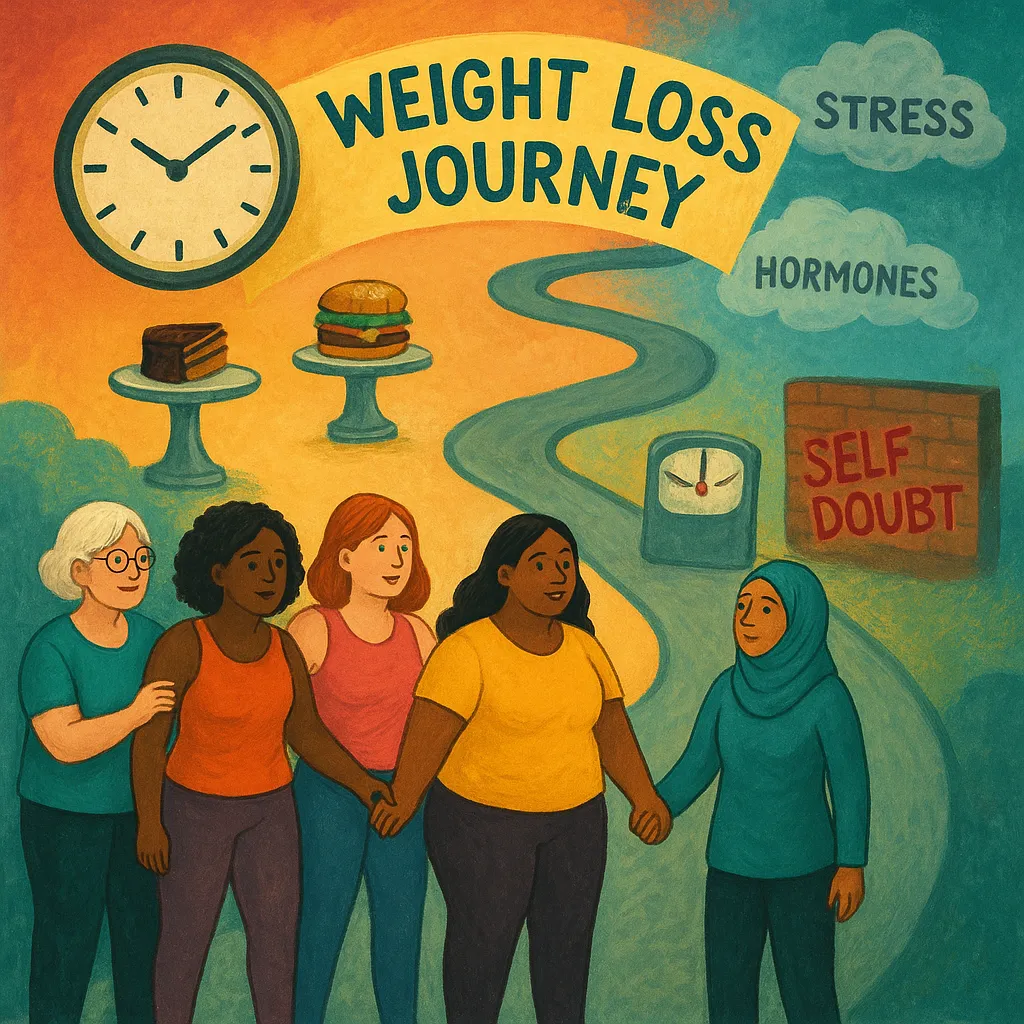
**The most common challenges women face when trying to lose weight include hormonal differences, slower metabolism, emotional eating triggers, inconsistent routines, and social or cultural pressures.** These obstacles can make weight loss more difficult for women compared to men, requiring tailored strategies and ongoing support.
—
Why Is Weight Loss Sometimes Harder for Women?
Women often ask: *Why do women have a harder time losing weight than men?* The answer lies in a combination of biological, emotional, and environmental factors. Hormonal fluctuations, life stages like menopause and pregnancy, metabolic rates, and societal expectations all play a role.
—
Key Challenges Women Face When Trying to Lose Weight
1. Hormonal Fluctuations and Their Impact
Hormones like estrogen, progesterone, and insulin significantly influence how women’s bodies store and burn fat. For example, during menstrual cycles, menopause, or conditions like polycystic ovarian syndrome (PCOS), women may experience weight gain or difficulty losing fat.
**Definition Box: Hormonal Fluctuations**
> **Hormonal Fluctuations**: Variations in the levels of hormones such as estrogen, progesterone, and thyroid hormones that can affect metabolism, appetite, and fat storage.
Related Entities:
– **Estrogen**
– **Progesterone**
– **Thyroid hormones**
– **PCOS (Polycystic Ovary Syndrome)**
– **Cortisol (stress hormone)**
—
2. Slower Metabolism in Women
Women naturally have a lower basal metabolic rate (BMR) than men, largely due to differences in muscle mass and hormone levels. This means women burn fewer calories at rest, making it more challenging to achieve calorie deficits necessary for weight loss.
Factors Affecting Metabolism:
– **Genetics**
– **Muscle mass**
– **Age**
– **Hormonal health**
—
3. Emotional Eating and Stress
Women are more likely than men to report emotional eating—using food as a way to cope with stress, sadness, or boredom. The relationship between emotions and eating behaviors can lead to overeating, especially high-calorie “comfort foods.”
Contextual Concepts:
– **Emotional regulation**
– **Binge eating**
– **Mindful eating**
– **Stress management**
—
4. Inconsistent Exercise and Eating Routines
Many women juggle multiple roles—such as careers, parenting, and caring for family—which can make it difficult to maintain regular exercise and meal planning routines. Time constraints often lead to skipped workouts or reliance on convenient but unhealthy foods.
Typical Barriers:
– **Lack of time**
– **Family responsibilities**
– **Irregular work schedules**
– **Low self-care priority**
—
5. Social and Cultural Pressures
Cultural norms and social environments can affect body image and eating patterns. Women frequently encounter societal expectations regarding appearance, which can impact self-esteem and motivation. In some cultures, food is used as a form of social bonding, complicating dietary discipline.
Related Entities:
– **Body image**
– **Diet culture**
– **Social gatherings**
– **Peer pressure**
—
Table: Common Weight Loss Challenges for Women
| Challenge | Impact | Examples |
|——————————|—————————————|——————————–|
| Hormonal fluctuations | Affects metabolism and cravings | Menopause, PCOS, PMS |
| Slower metabolism | Fewer calories burned at rest | Lower muscle mass, aging |
| Emotional eating | Overeating high-calorie foods | Stress, boredom, sadness |
| Inconsistent routines | Skipped workouts, poor meal choices | Busy family or work schedule |
| Social & cultural pressures | Unhealthy eating habits or lack of motivation | Holiday parties, family events |
—
How Do Hormonal Changes Affect a Woman’s Ability to Lose Weight?
Hormonal changes regulate appetite, fat storage, and metabolism. For example, estrogen fluctuations during the menstrual cycle may increase cravings and water retention. In menopause, decreased estrogen leads to a slower metabolism and a tendency to gain weight around the abdomen. Conditions like PCOS can also make weight loss more challenging due to insulin resistance.
**Tip:** Consulting a healthcare provider or registered dietitian can help address hormone-related weight issues.
—
What Are Effective Strategies for Overcoming These Challenges?
1. **Personalized Diet Plans:** Choose nutrient-dense foods tailored to your hormonal needs and lifestyle.
2. **Strength Training:** Incorporate resistance exercises to build muscle and boost metabolism.
3. **Mindful Eating:** Practice awareness during meals to reduce emotional eating.
4. **Social Support:** Build a support network with friends, family, or weight loss groups.
5. **Self-care Prioritization:** Schedule time for exercise and meal prep, even on busy days.
—
How Do These Challenges Differ From Men’s Weight Loss?
While both men and women face barriers, men typically have:
– Higher muscle mass (and higher BMR)
– Fewer hormonal fluctuations
– Different social pressures
Understanding these differences allows women to adopt strategies more suited to their unique physiology and lifestyle.
—
Related Questions and How to Address Them
How Can Women Balance Hormones to Lose Weight?
**Answer:** Managing stress, getting adequate sleep, engaging in regular physical activity, and consuming a balanced diet rich in whole foods can help regulate hormones. Medical treatment may be necessary for underlying conditions like hypothyroidism or PCOS.
—
What Role Does Age Play in Women’s Weight Loss Challenges?
Metabolism slows with age, muscle mass decreases, and hormonal changes (especially menopause) affect fat distribution. Prioritizing strength training and protein intake becomes increasingly important as women age.
—
Can Certain Diets Help Women Overcome Weight Loss Barriers?
Diets rich in lean proteins, whole grains, healthy fats, and plenty of vegetables generally support sustainable weight loss. It’s important to avoid extremely low-calorie diets, which can disrupt hormones further.
—
How Does Mental Health Influence Women’s Weight Loss?
Depression, anxiety, and chronic stress often contribute to emotional eating, reduced motivation, and inconsistent routines. Seeking professional support or practicing stress-reducing techniques is beneficial.
—
Is Weight Loss After Pregnancy More Challenging?
Yes, due to hormonal adjustments, less time for self-care, and sleep deprivation. Approaching postpartum weight loss with patience and support is key.
—
Frequently Asked Questions (FAQ)
1. Why do women lose weight slower than men?
Women generally have higher body fat percentages and lower muscle mass than men, leading to a slower metabolism. Hormonal fluctuations also play a significant role.
2. What hormones affect women’s weight loss?
Key hormones include estrogen, progesterone, thyroid hormones, cortisol (stress), and insulin. These regulate fat storage, energy use, and appetite.
3. How can women deal with cravings during their menstrual cycle?
Focus on balanced meals, regular snacks, hydration, and mindful eating strategies. Allowing moderate treats may also help reduce the urge to binge.
4. What exercise is best for women trying to lose weight?
A mix of strength training and cardiovascular exercise is most effective. Strength training builds muscle mass, boosting metabolism.
5. What are some tips for women juggling busy schedules?
– Prepare meals in advance
– Find short, efficient workouts
– Set realistic, achievable goals
– Seek family or community support
6. Do birth control pills affect weight loss efforts?
Some women experience mild weight gain from hormonal contraceptives, but not all. Discuss any concerns with your healthcare provider.
7. Can sleep affect weight loss in women?
Absolutely—poor sleep disrupts hormones that control hunger and stress, leading to increased cravings and reduced motivation.
—
Summary
When it comes to weight loss, women face a unique set of challenges influenced by hormones, metabolism, emotional patterns, lifestyle demands, and cultural cues. Understanding these barriers and addressing them with personalized, sustainable strategies is key to achieving and maintaining a healthy weight.
—
“`