What Are the Most Common Challenges Women Face When Trying to Lose Weight?
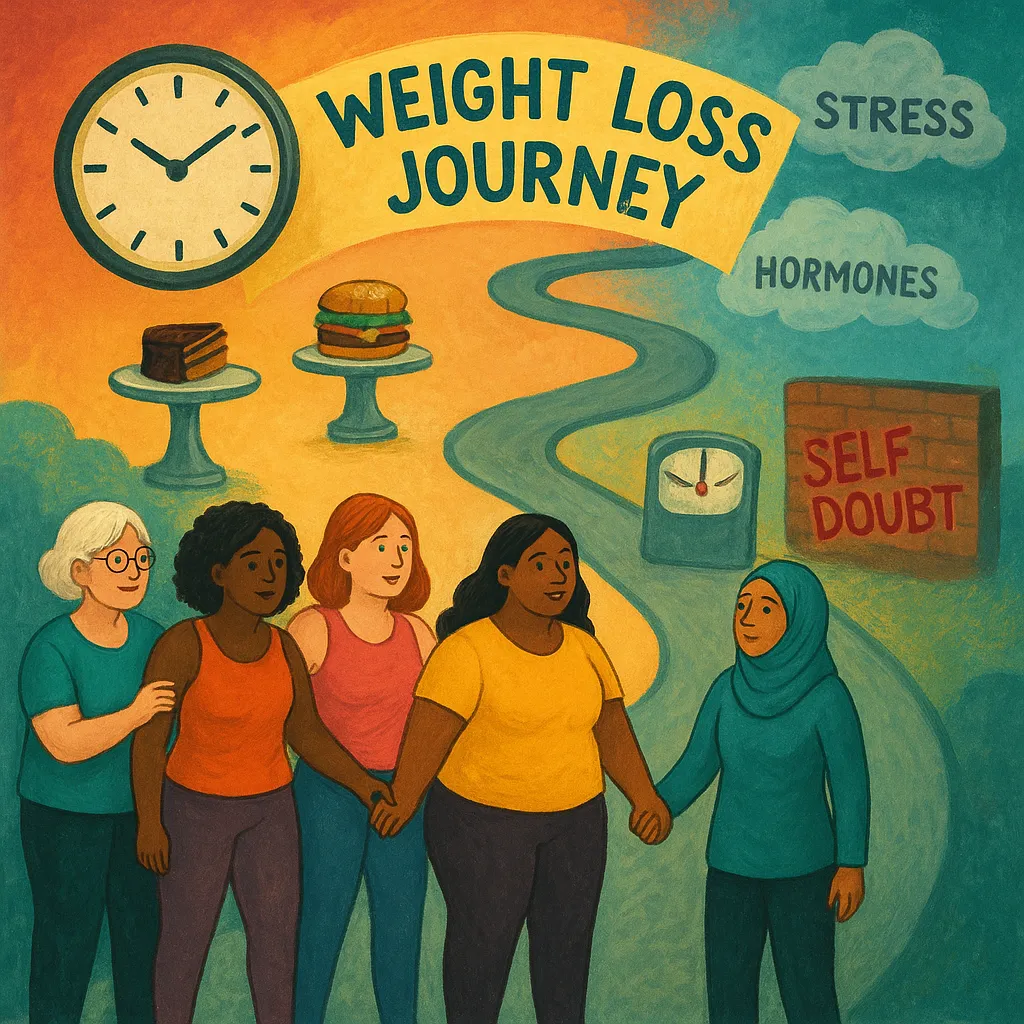
The most common challenges women face when trying to lose weight include hormonal fluctuations, slower metabolism compared to men, emotional eating, and balancing lifestyle responsibilities. These factors can make it more difficult for women to achieve and sustain weight loss, despite their best efforts.
—
Why Is Losing Weight Sometimes Harder for Women?
Many women find losing weight challenging due to biological, psychological, and social factors. Unlike men, women’s bodies often store more fat for reproductive health, and fluctuations in hormones like estrogen and progesterone can impact appetite and fat distribution. Additionally, women frequently juggle work, family, and caregiving roles, which can make prioritizing healthy habits harder.
—
Key Challenges Women Encounter When Losing Weight
1. Hormonal Fluctuations and Weight Loss
**Definition Box:**
**Hormonal Fluctuations**: Regular changes in hormone levels, especially estrogen and progesterone, affect appetite, metabolism, and fat storage in women.
– Hormones influence hunger cues and cravings.
– Menstrual cycles, menopause, and conditions like PCOS (Polycystic Ovary Syndrome) can lead to weight gain or plateau.
—
2. Slower Metabolism Compared to Men
On average, women have a slower basal metabolic rate (BMR) because they typically have less muscle mass than men. This means fewer calories are burned at rest, so weight loss might require a greater focus on nutrition and activity.
—
3. Emotional and Stress-Related Eating
Emotional eating—eating in response to stress, sadness, or boredom—is more common in women due to both social and biological reasons.
– Stress increases cortisol, a hormone linked to fat storage, especially around the abdomen.
– Busy schedules or emotional labor at home or work can trigger overeating.
—
4. Social and Lifestyle Responsibilities
Women often manage multiple roles as professionals, caregivers, and partners. These demands can make it difficult to prioritize meal planning, regular exercise, and self-care.
—
5. Misleading Dieting Trends and Unrealistic Standards
Exposure to fad diets, conflicting nutrition advice, and societal pressures can make it challenging for women to find sustainable weight loss strategies. Quick fixes or extreme restrictions often backfire, leading to yo-yo dieting.
—
Table: Common Weight Loss Challenges for Women and Contributing Factors
| Challenge | Primary Factors | Related Health Conditions |
|————————————|———————————–|—————————————–|
| Hormonal Fluctuations | Estrogen, progesterone, insulin | PCOS, menopause, PMS |
| Slower Metabolism | Less muscle mass, aging | Hypothyroidism |
| Emotional Eating | Stress, anxiety, depression | Binge eating disorder, anxiety disorders|
| Social/Lifestyle Pressures | Role overload, time limitations | Burnout, sleep deprivation |
| Confusing Diet Trends | Misinformation, media influence | Nutrient deficiencies |
—
How Do These Challenges Differ Across Women’s Life Stages?
Adolescent Years
During puberty, hormonal changes can increase appetite and encourage fat storage, making weight management challenging for teenage girls.
Reproductive Years
Women may experience weight fluctuations due to pregnancy, postpartum recovery, and contraceptive use.
Perimenopause and Menopause
Declining estrogen in midlife leads to a slower metabolism, more abdominal fat, and a higher risk of insulin resistance.
—
What Role Does PCOS Play in Women’s Weight Loss Challenges?
PCOS (Polycystic Ovary Syndrome) is a hormonal disorder that affects about 1 in 10 women of childbearing age. It causes irregular periods, high androgen levels, and insulin resistance, making weight loss more challenging. Women with PCOS may need tailored nutrition and exercise plans to manage symptoms and lose weight.
—
What About Thyroid Conditions?
Hypothyroidism, where the thyroid gland is underactive, is more common in women and slows metabolism. Treating underlying thyroid issues is often necessary for successful weight loss.
—
Related Entities and Concepts in Women’s Weight Loss
– **Basal Metabolic Rate (BMR)**
– **Cortisol**
– **Insulin Resistance**
– **Macronutrient Balance**
– **Muscle Mass**
– **Fad Diets**
– **Body Image**
—
Question Variations: How Else Is This Asked?
– Why do so many women struggle to lose weight?
– What makes weight loss harder for women compared to men?
– Are there unique barriers to weight loss for women?
– What stops women from losing belly fat?
– Why can’t I lose weight despite dieting and exercise?
—
How Can Women Overcome These Weight Loss Obstacles?
1. Focus on Sustainable Lifestyle Changes
Small, consistent shifts in eating, movement, and sleep are more effective than drastic short-term diets.
2. Address Underlying Health Conditions
Consult healthcare providers to manage PCOS, thyroid disorders, or hormonal imbalances.
3. Prioritize Mental and Emotional Health
Mindful eating, stress reduction techniques, and support networks can help break patterns of emotional eating.
4. Strength Training
Building muscle boosts metabolism and counters the natural decline in BMR over time.
5. Seek Expert Guidance
Working with registered dietitians, fitness professionals, or therapists ensures personalized and effective strategies.
—
FAQ: Common Questions About Weight Loss Challenges for Women
1. Why do women tend to lose weight more slowly than men?
Women generally have less muscle mass and a slower metabolism than men, and hormonal fluctuations can further complicate weight loss.
—
2. How do hormones affect women’s weight loss?
Hormones like estrogen, progesterone, and cortisol can impact hunger, fat storage, energy levels, and how the body responds to diet and exercise.
—
3. Can emotional eating really affect weight loss results?
Yes, emotional eating often leads to consuming more calories than needed, making weight loss harder.
—
4. Does menopause make it impossible to lose weight?
Menopause makes weight loss harder, especially around the abdomen, but it’s not impossible with targeted nutrition and exercise.
—
5. Are slow thyroid and PCOS big weight loss barriers for women?
Yes, both conditions reduce metabolic rate and increase fat storage, but managing them medically and with lifestyle changes can help.
—
6. What practical tips help women overcome weight loss plateaus?
Switch up your exercise routine, focus on muscle-building, reassess caloric needs, and ensure you’re getting enough sleep.
—
7. Can stress affect weight loss for women?
Chronic stress elevates cortisol, which can lead to cravings and fat accumulation, particularly in the abdominal area.
—
Summary
Women’s weight loss journeys can be complicated by unique biological, social, and psychological challenges. By understanding the role that hormones, metabolism, emotional health, and lifestyle pressures play, women can make informed, sustainable choices to reach their goals. Seeking support from professionals and prioritizing overall well-being is key to long-term success.
“`