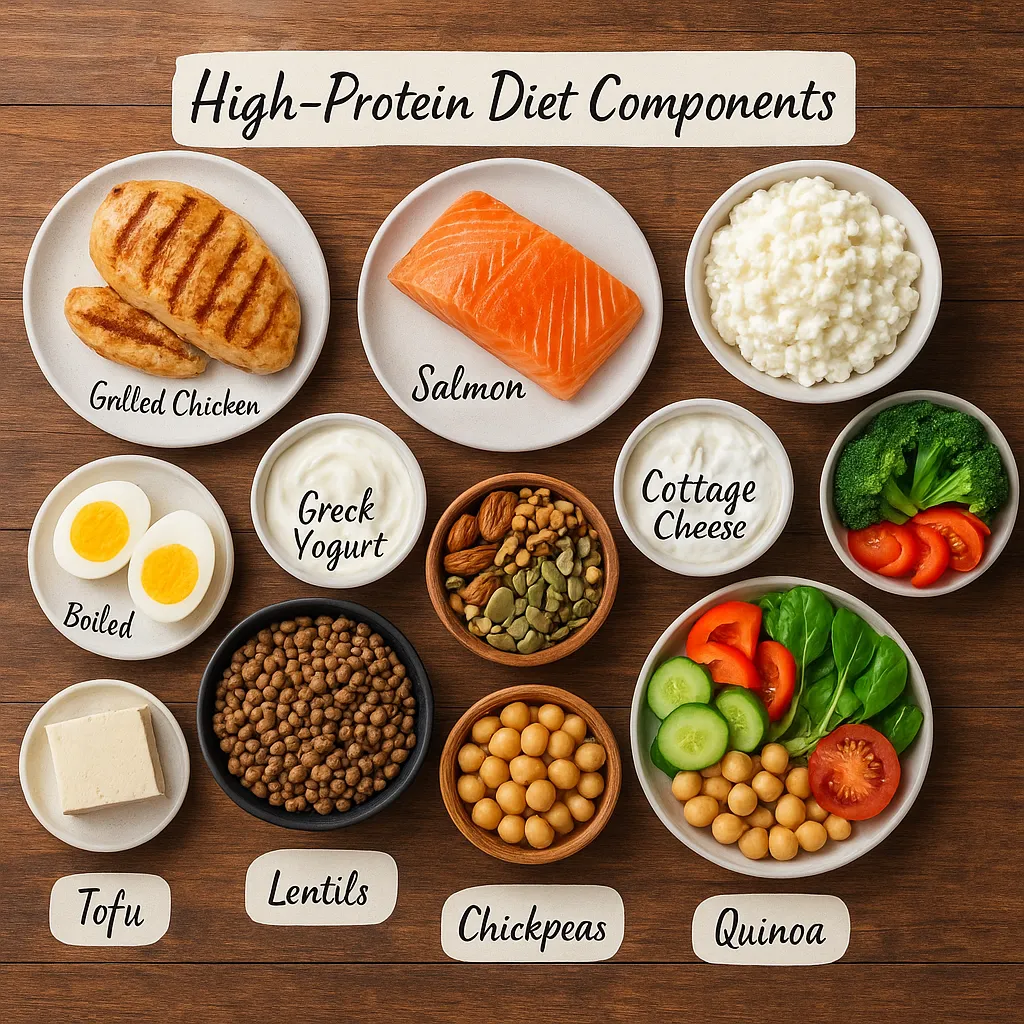
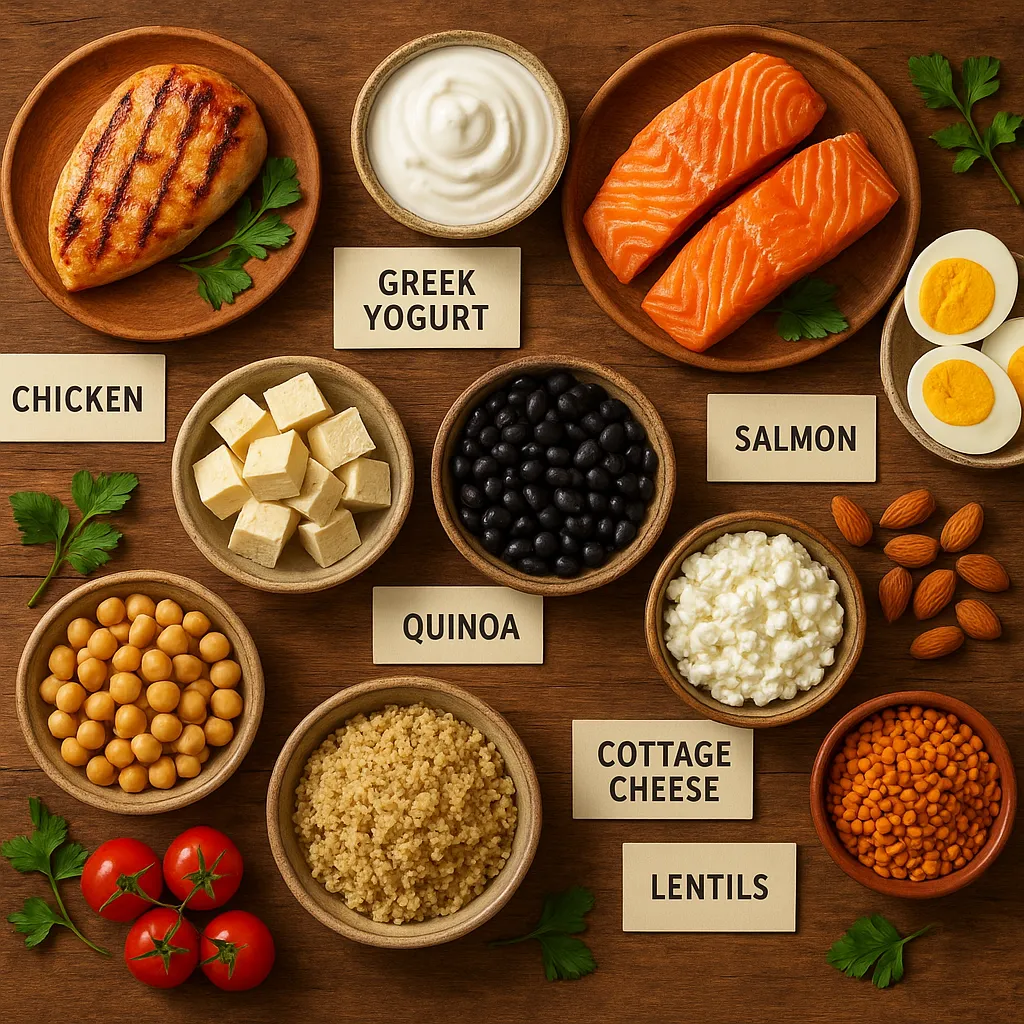
High-Protein Diet Components
What Are the Main Components of a High-Protein Diet? A high-protein diet focuses on increasing daily protein intake by including protein-rich foods such as lean meats, dairy, legumes, and plant-based…
What are the main components of a high-protein diet? A high-protein diet is built around foods that provide a significant amount of protein per serving, such as lean meats, fish,…
What are the Main Components of a High-Protein Diet? A high-protein diet is built around foods that are rich in protein, such as lean meats, dairy products, legumes, and protein-rich…
What Are the Main Components of a High-Protein Diet? A high-protein diet is based on increasing the percentage of calories consumed from protein-rich foods while moderating carbohydrates and fats. The…
What are the Key Components of a High-Protein Diet? A high-protein diet focuses on increasing daily protein intake through food sources like lean meats, dairy, legumes, and protein-rich grains, while…
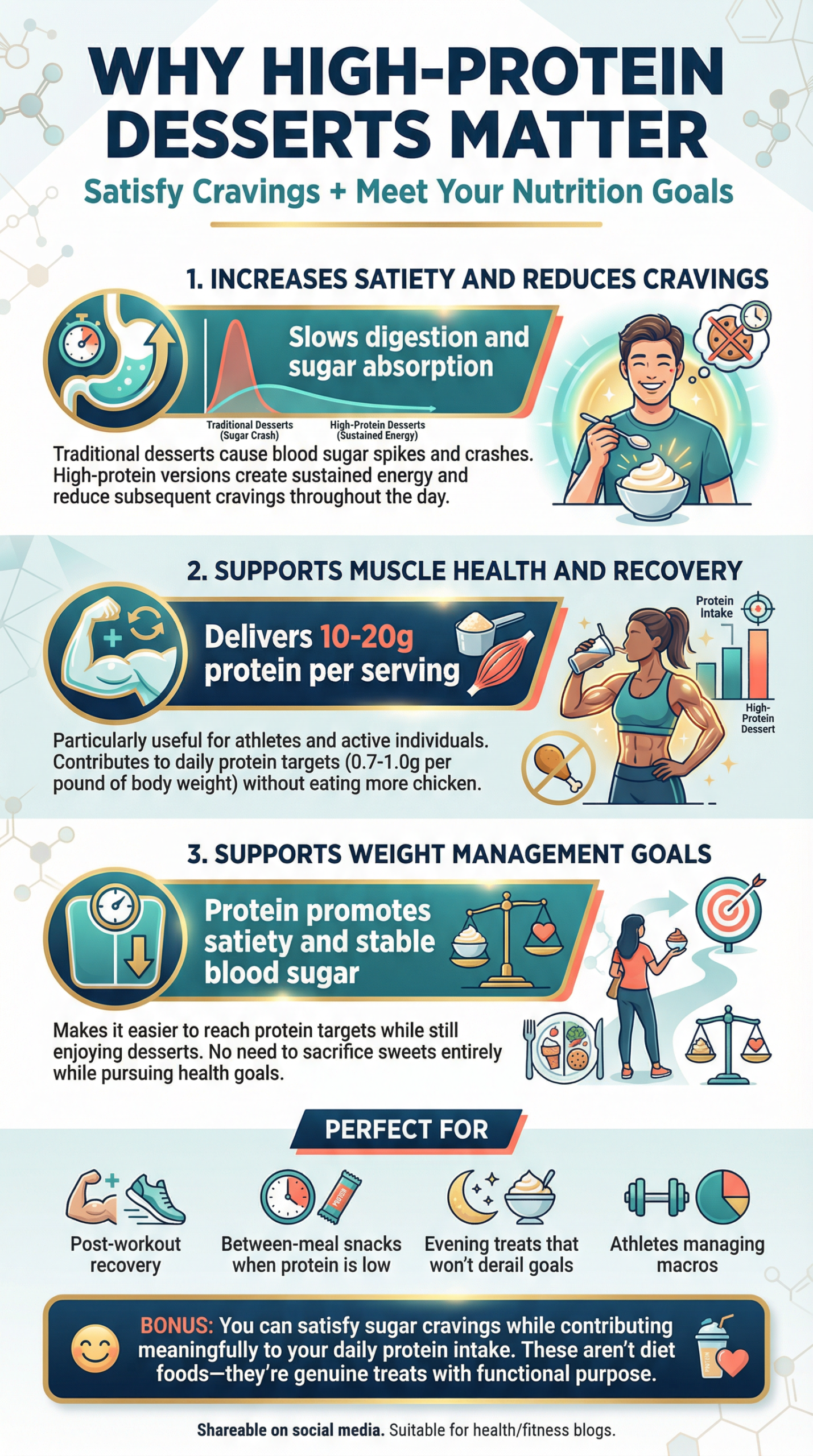
The science behind high-protein desserts: They increase satiety, support muscle recovery, and help with weight management—all while satisfying your sweet tooth. These aren't diet foods; they're functional treats.
Most people view desserts and nutrition as mutually exclusive choices. You either indulge in something sweet or you stick to your protein goals—rarely both. That assumption is outdated. High-protein desserts…
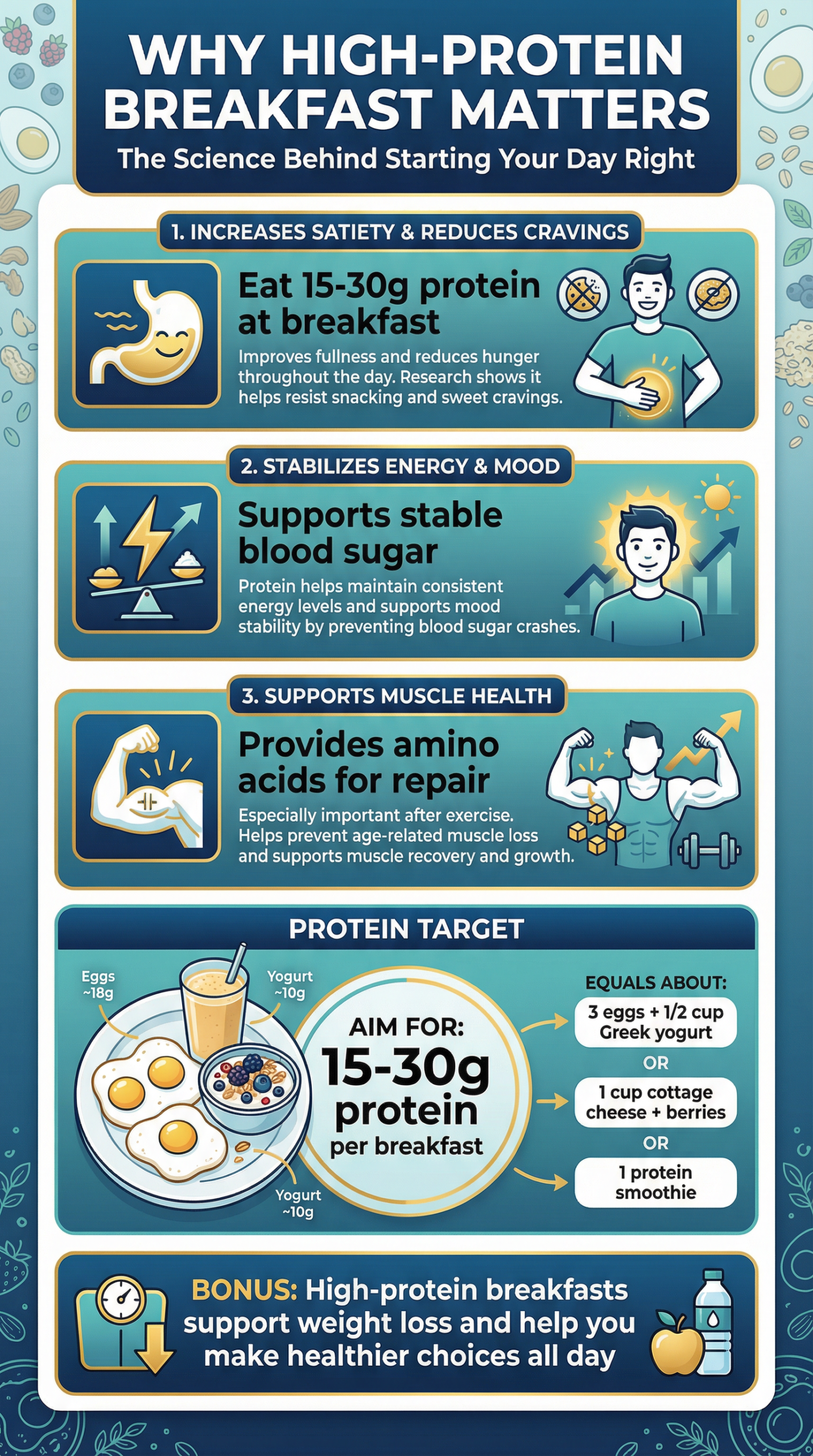
The science is clear: A high-protein breakfast (15-30g) delivers three powerful benefits—enhanced satiety, stable energy, and muscle support—that set you up for healthier choices all day long.
A high-protein breakfast is a strategic approach to morning nutrition that emphasizes protein-rich foods to promote satiety, stabilize energy levels, and support overall health goals. This method moves beyond the…
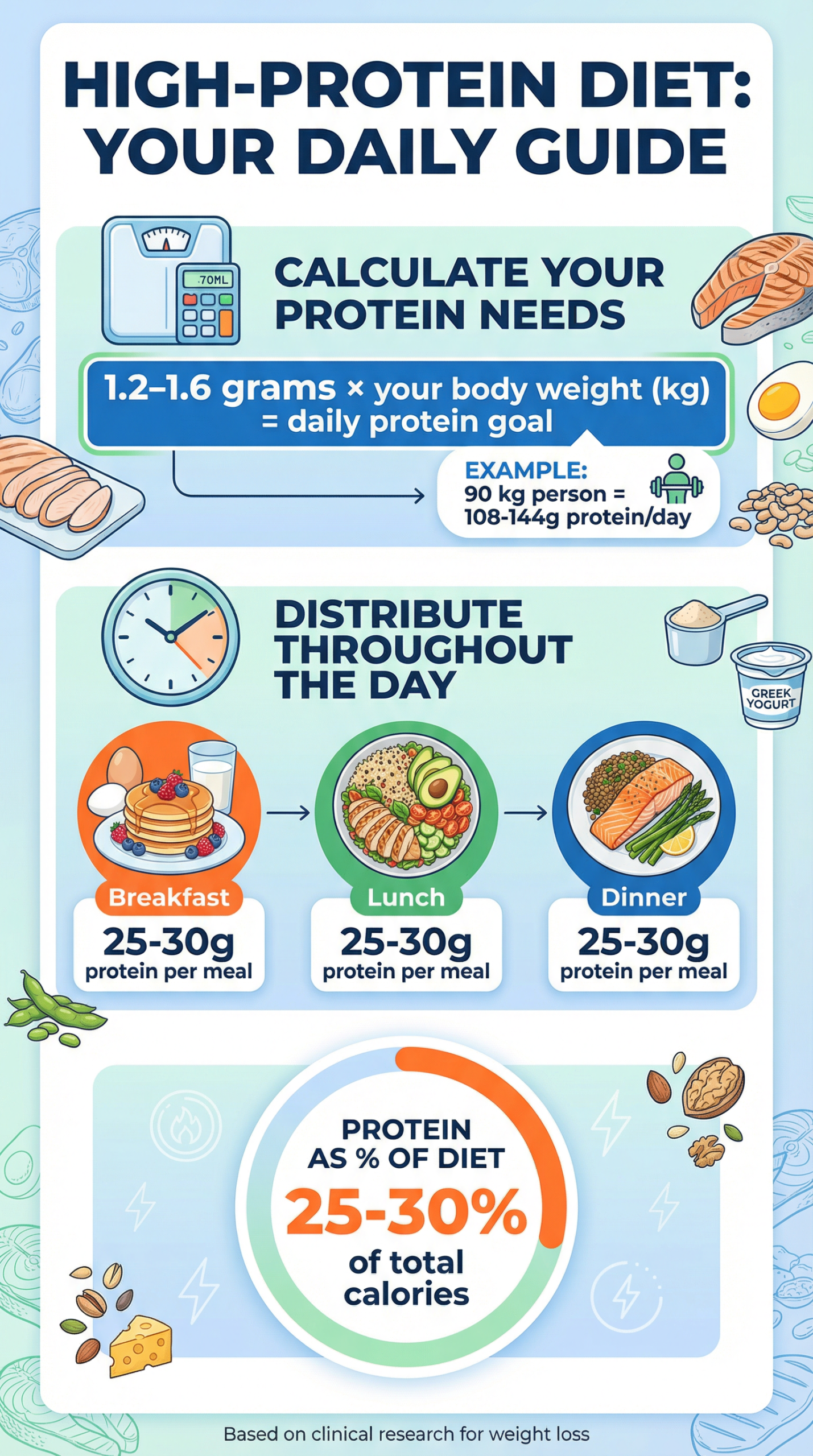
Your complete daily guide to high-protein eating for weight loss: Calculate your protein needs, distribute intake across meals, and optimize your macronutrient ratio based on clinical research.
A high-protein diet is a nutritional strategy that emphasizes increased protein consumption for the purpose of weight loss and improved body composition. This approach has gained significant attention for its…
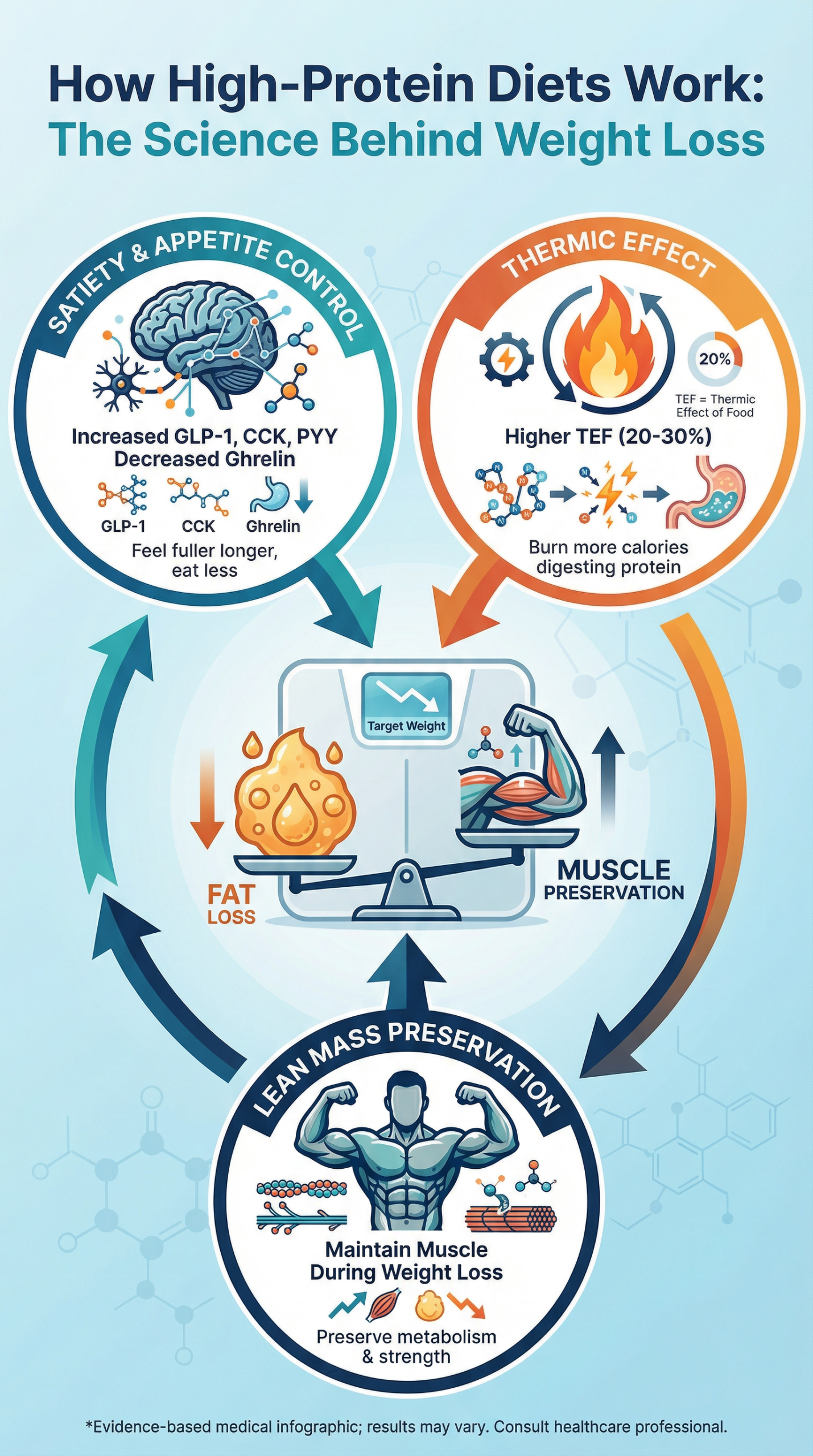
The three scientific mechanisms that make high-protein diets effective for sustainable weight loss: enhanced satiety, increased calorie burn, and muscle preservation.
In the ever-evolving landscape of nutrition, few dietary strategies have maintained the staying power and scientific backing of the high-protein diet. Once the domain of bodybuilders and elite athletes, a…