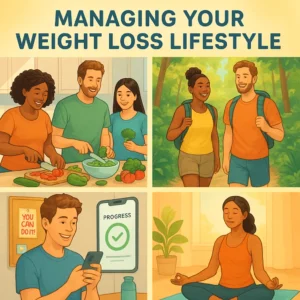

How Can You Effectively Manage Your Weight Loss Lifestyle for Long-Term Success?
The most effective way to manage your weight loss lifestyle for long-term success is to combine sustainable healthy eating habits, regular physical activity, self-monitoring, and emotional support, rather than relying on quick fixes or fad diets. Developing a personalized routine that you can maintain over time is key for lasting health and weight management.
—
What Does Long-Term Weight Loss Management Really Mean?
**Long-term weight loss management** refers to consistently maintaining a lower, healthier body weight over an extended period, rather than losing weight quickly only to regain it later. *Sustainable weight loss* involves gradual changes to eating, movement, and mindset that fit your lifestyle.
—
Why Is It Important to Focus on Lifestyle, Not Just Diets?
Many people ask, “How do I keep the weight off for good?” The answer lies in adopting a healthy lifestyle rather than short-term diets. Fad diets might work quickly, but they often fail because they’re hard to maintain and don’t address long-term habits. Body weight is influenced by a range of entities, including metabolism, hormone levels, genetics, physical activity, environment, and psychological factors.
—
What Steps Can Help You Sustain Weight Loss Long-Term?
1. Establish Healthy Eating Patterns
– **Prioritize whole foods**: Fruits, vegetables, whole grains, lean proteins, and healthy fats.
– **Mindful eating**: Eat slowly, savor your food, and avoid distractions.
– **Balanced meals**: Include protein, fiber, and healthy fats to promote fullness.
—
2. Maintain Consistent Physical Activity
– **Regular exercise**: Aim for at least 150 minutes of moderate aerobic activity a week (walking, cycling, swimming).
– **Strength training**: Add 2 days per week to boost metabolism and muscle mass.
– **Active lifestyle**: Walk more, take stairs, and find enjoyable movement.
—
3. Monitor Your Progress
**Self-Monitoring Tools**:
| Tool | What It Does | Why It Helps |
|———————|—————————-|——————————-|
| Food diary | Tracks daily intake | Increases awareness, accountability |
| Weight log | Tracks body weight | Monitors trends long-term |
| Activity tracker | Monitors movement/exercise | Encourages consistency |
—
4. Build Social and Emotional Support
– **Social connections**: Share goals with family, friends, or online communities for accountability.
– **Professional help**: Consider working with a registered dietitian, personal trainer, or health coach.
– **Mental well-being**: Address emotional eating, manage stress, and develop coping strategies.
—
How Can You Stay Motivated With Your Weight Loss Lifestyle?
Motivation Strategies
– **Set realistic goals**: Focus on progress, not perfection.
– **Celebrate non-scale victories**: Recognize improvements in energy, mood, sleep, or fitness.
– **Review your “why”**: Remind yourself why you started and what you hope to achieve.
—
What Are the Common Challenges in Sustaining Weight Loss—and How to Overcome Them?
| Challenge | Solution |
|——————————-|———————————————–|
| Losing motivation | Join support groups, refresh goals |
| Plateaus/stalled weight loss | Change up exercise routines, review food intake |
| Social pressures | Plan ahead, communicate needs |
| Busy schedules | Prepare meals in advance, prioritize activity |
| Emotional eating | Use stress-relief techniques, seek support |
—
Can You Enjoy Your Favorite Foods and Still Lose Weight?
Yes! Successful weight management allows room for all foods, including your favorites, in moderation. The key is *portion control*, *frequency*, and *balancing choices* with nutrient-dense options.
—
Key Factors for Long-Term Weight Loss Maintenance
**Table: Essential Elements for Lasting Weight Loss**
| Factor | Description | Related Entity |
|———————–|————————————————|————————-|
| Consistency | Maintain habits over time | Habit formation, routine|
| Flexibility | Adapt to changing circumstances | Mindset, planning |
| Self-monitoring | Keep track of behaviors and outcomes | Accountability tools |
| Support | Leverage social and professional networks | Social influence, coaching|
| Positive mindset | Focus on self-compassion and sustainable change| Mental health |
—
How Do Sleep and Stress Affect Weight Maintenance?
Both **sleep** and **stress management** are important but often overlooked parts of weight control.
– Poor sleep disrupts hormones like ghrelin and leptin, increasing appetite.
– Chronic stress raises cortisol levels, which can trigger cravings and fat storage.
– Prioritizing restful sleep and practicing mindfulness or relaxation can support your weight loss journey.
—
Question Variations: How Else Might People Ask This?
– “How do I keep weight off after losing it?”
– “What habits help with long-term weight loss?”
– “How can I make my weight loss sustainable?”
– “What lifestyle changes make weight loss permanent?”
– “How do I avoid regaining weight after dieting?”
—
How Should You Personalize a Weight Loss Lifestyle?
Personalization Tips
1. **Assess your needs and barriers**: Time, taste preferences, activity level.
2. **Consult professionals**: Registered dietitians or doctors for medical concerns.
3. **Adjust as you go**: Refine habits based on what works for you.
—
What Role Does the Environment Play in Long-Term Weight Management?
Your environment—including your home, workplace, and social circle—impacts choices. Here’s how to set yourself up for success:
– **Stock healthy staples**: Keep fruits, vegetables, and lean proteins easy to access.
– **Limit trigger foods**: Reduce visibility of high-calorie snacks.
– **Involve others**: Encourage healthy habits with your family or friends.
—
Summary: What’s the Takeaway for Long-Term Weight Loss Success?
To achieve lasting weight management, focus on building sustainable habits—nourishing foods, consistent activity, ongoing self-monitoring, and emotional support. Personalize your approach, anticipate challenges, and practice self-compassion. Change is gradual, but with commitment and flexibility, long-term results are attainable.
—
Frequently Asked Questions (FAQ): Managing a Weight Loss Lifestyle
1. **What’s the best diet for long-term weight management?**
There’s no single “best” diet; the most effective approach is balanced, sustainable eating habits focused on whole foods, portion control, and food enjoyment.
2. **How often should I weigh myself?**
Research suggests weekly weigh-ins work well for many, but daily or biweekly tracking can help some people stay accountable. Choose the frequency you find motivating, not stressful.
3. **Can I take breaks from healthy eating or exercise?**
Yes—occasional breaks or flexibility are healthy and realistic. Focus on returning to your routine rather than giving up after a slip.
4. **Is it normal for my weight to fluctuate?**
Yes, minor fluctuations are normal due to factors like hydration, hormones, or meals. Long-term trends matter more than daily changes.
5. **How can I deal with cravings and emotional eating?**
Practice mindful eating, identify triggers, and find alternative ways to manage stress—like walking, calling a friend, or journaling.
6. **Do supplements help with long-term weight loss?**
Supplements are not necessary for most people; focus on whole food nutrition and consult a healthcare provider before adding supplements.
7. **What’s the most important behavior for keeping weight off?**
Consistency—sticking to healthy habits most of the time—is the strongest predictor of lasting weight loss.
—
**Remember:** Effective long-term weight management is about progress, not perfection. Small steps, supported by healthy habits and a positive mindset, can bring lasting change.
“`