
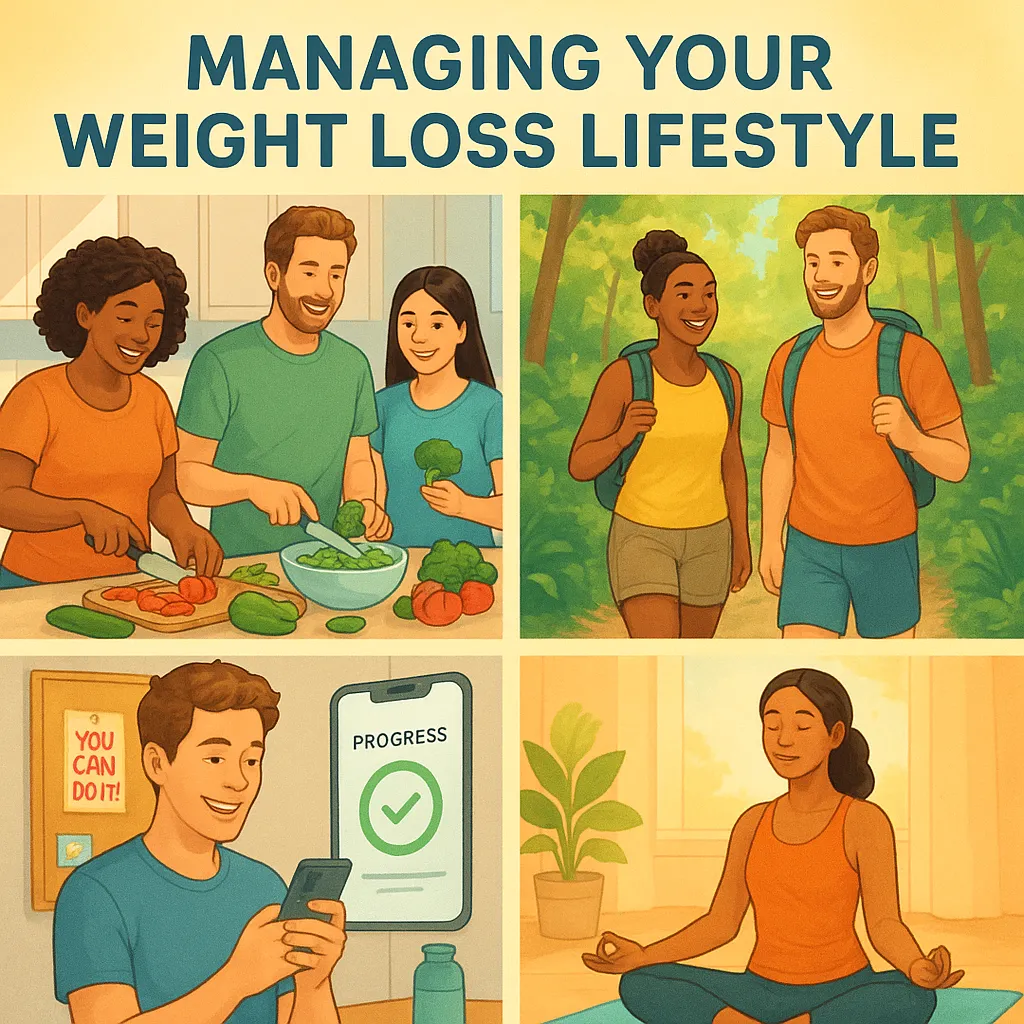
What Are the Most Effective Strategies for Managing Your Weight Loss Lifestyle Long Term?
The most effective strategies for long-term weight loss management include building sustainable healthy habits, focusing on balanced nutrition, maintaining regular physical activity, and prioritizing ongoing motivation and self-monitoring. Long-term success is achieved by making gradual, realistic changes that fit your lifestyle, rather than relying on quick-fix diets.
—
What Does Long-Term Weight Management Mean?
Long-term weight management refers to the consistent maintenance of your desired body weight over months and years, not just short-term dieting. It involves healthy behaviors, lifestyle changes, and ongoing self-awareness to prevent weight regain.
**Definition Box:**
> **Long-Term Weight Management:** The process of keeping off lost weight through ongoing lifestyle habits, healthy eating, physical activity, and psychological support.
—
Why Is Long-Term Weight Loss So Challenging?
Many individuals can lose weight in the short term, but maintaining it is notoriously difficult due to metabolic adaptation, environmental factors, and behavioral habits. Factors like stress, social situations, and busy schedules can trigger old eating patterns and reduce physical activity.
—
What Are Proven Long-Term Weight Loss Strategies?
Various research-backed methods help maintain weight loss effectively. Let’s explore the top strategies step-by-step:
1. How Can You Build Sustainable Eating Habits?
– **Balanced Nutrition:** Focus on vegetables, fruits, lean proteins (like chicken, fish, tofu), whole grains, and healthy fats (olive oil, avocado).
– **Portion Control:** Be mindful of serving sizes to avoid overeating.
– **Limit Processed Foods:** Reduce sugars, refined carbs, and highly processed snacks.
– **Regular Meal Patterns:** Eat at regular times and avoid skipping meals to prevent binge eating later.
2. What Role Does Physical Activity Play?
– **Consistency is Key:** Aim for at least 150-300 minutes of moderate-intensity exercise per week (brisk walking, cycling, swimming).
– **Mix It Up:** Combine aerobic exercises (running, dancing) with resistance training (weights, bodyweight exercises) to boost metabolism and preserve muscle mass.
– **Stay Active Daily:** Use the stairs, walk during calls, or try short activity bursts throughout the day.
3. How Does Self-Monitoring Help?
– **Track Progress:** Use tools like food diaries, fitness apps, or wearable trackers.
– **Regular Weigh-Ins:** Weigh yourself weekly, not obsessively, as a gentle accountability measure.
– **Adjust as Needed:** Review patterns and make small tweaks, like meal timing or types of snacks.
| Self-Monitoring Tools | Examples | Benefits |
|—————————|——————-|———————————-|
| Food Journal | MyFitnessPal | Raises awareness of intake |
| Fitness Tracker | Fitbit, Apple Watch| Motivates daily activity |
| Weight Log | Smartphone Note | Tracks weight fluctuations |
4. Why Is Social Support Important?
– **Seek Accountability:** Share goals with friends, family, or online groups.
– **Join a Program:** Weight loss groups and wellness communities boost motivation.
– **Professional Guidance:** Dietitians, personal trainers, or therapists can provide tailored support.
5. What About Mindset and Motivation?
– **Focus on Non-Scale Wins:** Improved energy, sleep, and mood are great motivators.
– **Set Realistic Goals:** Avoid perfectionism; small, achievable targets are best.
– **Celebrate Progress:** Reward yourself with non-food treats (like new workout gear).
6. How Do You Manage Setbacks?
– **Anticipate Challenges:** Life events, holidays, or stress are natural setbacks.
– **Have a Plan:** Prepare healthy snacks in advance and practice mindful eating.
– **Self-Compassion:** View mistakes as temporary, not failures.
—
What Are Some Effective Long-Term Weight Maintenance Tips?
**List of Practical Tips:**
1. Meal prep or plan weekly menus.
2. Keep healthy snacks within reach.
3. Practice mindful eating—focus on hunger and fullness.
4. Stay hydrated with water instead of sugary drinks.
5. Get 7-9 hours of sleep nightly; lack of sleep disrupts appetite hormones.
6. Manage stress through meditation, yoga, or hobbies.
—
How Can You Stay Motivated Over the Years?
Motivation ebbs and flows; staying connected to your “why” is essential. Some strategies include:
– **Visual Reminders:** Post inspirational quotes or before-and-after photos.
– **Goal Setting:** Revisit goals and update them as you progress.
– **Track Non-Scale Victories:** Note improvements in stamina or health markers.
– **Community Engagement:** Stay active in fitness or wellness communities.
—
How Are Weight Maintenance, Metabolism, and Behavior Connected?
Long-term weight maintenance involves the interplay of metabolic rate (your body’s calorie burn), behavioral patterns (what and how you eat), and lifestyle choices (exercise, sleep, stress management). Changes in one area affect the others, making a holistic approach crucial.
—
Table: Comparison of Short-Term vs Long-Term Weight Loss Strategies
| Aspect | Short-Term Focus | Long-Term Success Factors |
|————————-|—————————–|———————————-|
| Diets | Restrictive, fast results | Balanced, sustainable choices |
| Exercise | Intense, temporary programs | Enjoyable, ongoing routines |
| Mindset | “Quick fix” mentality | Growth, self-compassion |
| Monitoring | None or rigid | Flexible tracking |
| Support | Often solo | Engaged support system |
—
Frequently Asked Questions (FAQ)
1. **What are the top habits that help maintain weight loss long-term?**
– Consistent meal patterns, regular exercise, mindful eating, portion control, and ongoing self-monitoring are key habits observed in successful long-term maintainers.
2. **Can you maintain weight loss without exercise?**
– While diet has a major impact on weight, regular physical activity helps prevent weight regain, preserves muscle, and boosts overall well-being.
3. **How do you avoid regaining weight after a diet?**
– Transition gradually from your diet to a maintenance plan, incorporate regular self-checks, focus on healthy habits rather than temporary rules, and address emotional eating triggers.
4. **What are some common pitfalls after weight loss?**
– Slipping into old habits, stopping self-monitoring, underestimating calorie intake, and neglecting physical activity are frequent reasons for regain.
5. **Is it okay to have treats or cheat meals?**
– Occasional treats can fit into a healthy lifestyle. Practice moderation and return to healthy patterns without guilt.
6. **How important is sleep in weight maintenance?**
– Very important—poor sleep disrupts hormones that control hunger and satiety, increasing the risk of overeating.
7. **Are there any effective apps or tools for long-term weight management?**
– Yes, tools like MyFitnessPal, Fitbit, Noom, and habit-tracking apps help maintain accountability and awareness.
—
Key Takeaways
– **Long-term weight management** is about sustainable lifestyle changes, not temporary diets.
– **Combine nutrition, activity, and behavioral strategies** for the best results.
– **Self-monitoring, support systems, and mindset** are as important as food and fitness choices.
– **Embrace flexibility, self-compassion, and continuous learning** as part of your life-long wellness journey.
—
“`