What Are the Most Effective Strategies for Achieving Sustainable Weight Loss?
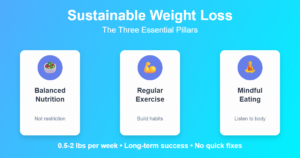
The most effective strategies for sustainable weight loss include adopting consistent healthy eating patterns, increasing physical activity, and making gradual, lasting changes to behavior and mindset. Focusing on long-term lifestyle modifications rather than quick fixes supports not only weight loss but also long-term health and wellbeing.
—
What Does Sustainable Weight Loss Mean?
**Definition:**
Sustainable weight loss refers to losing excess body weight at a steady, healthy rate through changes that can be maintained over the long term. This usually means a loss of 0.5-2 pounds per week, achieved through permanent changes to diet, exercise, and behavior.
| **Aspect** | **Description** |
| ————– | ———————————————- |
| Rate | 0.5-2 pounds per week |
| Methods | Diet, exercise, behavioral change |
| Focus | Lifelong habits, not temporary diets |
| Goal | Improved overall health and weight maintenance |
—
Why Is a Sustainable Approach More Effective?
Quick-fix diets and extreme calorie restrictions can result in rapid weight loss but often lead to weight regain. Sustainable strategies foster healthier relationships with food, support long-term metabolic health, and are more likely to lead to lasting results.
—
What Are Evidence-Based Strategies for Sustainable Weight Loss?
1. How Important Is Healthy Eating for Weight Loss?
Adopting a nutrient-dense, balanced eating pattern is essential. Rather than eliminating entire food groups, prioritize:
– **Portion control**
– **Whole foods**: vegetables, fruits, lean proteins, whole grains, and healthy fats
– **Limiting processed foods** and sugar
– **Mindful eating:** paying attention to hunger and fullness cues
**Example of a Balanced Meal:**
| **Food Group** | **Examples** |
|———————-|——————————-|
| Protein | Chicken, tofu, fish, beans |
| Vegetables | Broccoli, spinach, carrots |
| Whole Grains | Brown rice, quinoa, oats |
| Healthy Fats | Avocado, olive oil, nuts |
—
2. How Does Physical Activity Support Weight Loss?
Regular exercise helps burn calories, build muscle, and improve metabolic health. For sustainable weight loss, incorporate a mix of:
– **Aerobic activities:** walking, cycling, swimming
– **Strength training:** weights or bodyweight exercises
– **Lifestyle movement:** taking stairs, active commuting
Aim for at least 150 minutes of moderate-intensity activity per week, as recommended by the **World Health Organization (WHO)**.
—
3. What Role Does Behavior Change Play in Sustained Weight Management?
Behavioral strategies are crucial for making lasting changes. This includes:
– **Setting realistic, specific goals**
– **Tracking food intake and activity**
– **Identifying and managing triggers for overeating**
– **Building a support network:** friends, family, or professional guidance
**Behavior Modification Table:**
| **Behavioral Technique** | **How It Helps** |
|————————-|—————————————————–|
| Self-monitoring | Increases awareness of habits and progress |
| Problem-solving | Develops strategies to overcome obstacles |
| Support systems | Provides motivation and accountability |
| Positive reinforcement | Builds confidence and encourages persistence |
—
4. How Does Mindfulness and Stress Management Affect Weight Loss?
Mindfulness practices, such as mindful eating and stress reduction, can curb emotional eating and improve self-regulation. Techniques like meditation, yoga, and adequate sleep contribute to emotional balance and better decision-making.
—
What Are Some Popular Question Variations About Sustainable Weight Loss?
People often ask questions like:
– How can I lose weight and keep it off?
– What are the best long-term weight loss strategies?
– How do I avoid regaining weight after dieting?
– What changes should I make for permanent weight loss?
Each of these questions seeks methods that help not just with losing pounds but with maintaining those results over time.
—
Which Entities and Concepts Are Important for Sustainable Weight Loss?
Relevant entities and concepts include:
– **Calorie deficit**
– **Basal metabolic rate (BMR)**
– **Nutrient density**
– **Physical activity guidelines**
– **Behavioral therapy**
– **Mindfulness**
– **Support groups**
– **Chronic disease prevention (diabetes, heart disease)**
Recognizing the connection between these concepts helps create a holistic approach to sustainable weight management.
—
What Are Some Actionable Steps to Achieve Sustainable Weight Loss?
Here’s a step-by-step guide:
1. **Set Specific, Achievable Goals:**
– Focus on process goals (e.g., “Eat vegetables at every meal”) in addition to outcome goals (e.g., “Lose 10 pounds in 3 months”).
2. **Plan Balanced Meals:**
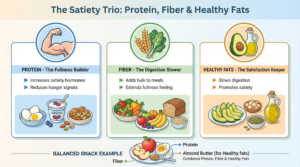
– Include protein, fiber, and healthy fats to stay fuller longer.
3. **Practice Mindful Eating:**
– Eat slowly, without distractions; recognize hunger and satiety signals.
4. **Increase Daily Movement:**
– Add short walks, stretch breaks, or active chores throughout your day.
5. **Monitor Progress:**
– Keep a journal or use digital apps for tracking food, exercise, and progress.
6. **Address Emotional Triggers:**
– Develop healthy coping methods for stress, boredom, and emotions.
7. **Seek Support:**
– Share your journey with others or consult with registered dietitians and fitness professionals.
—
How Do You Maintain Weight Loss Over Time?
Maintaining weight loss requires ongoing attention and flexibility. Continue practicing healthy habits, forgive occasional slip-ups, and adjust your approach as your lifestyle or needs change.
– **Regular weigh-ins**
– **Meal planning and preparation**
– **Consistent physical activity**
– **Reinforcing motivation by celebrating non-scale victories (NSVs)**
—
What About Medical and Professional Support?
For some individuals, professional support may be needed, such as:
– **Registered Dietitian Nutritionists (RDNs)**
– **Certified personal trainers**
– **Behavioral therapists**
– **Primary care physicians**
In certain cases, supervised medical programs or medications may be appropriate, especially for those with obesity-related health conditions.
—
Sustainable Weight Loss Strategies at a Glance
| **Strategy** | **Key Focus** |
|————————|——————————|
| Balanced Diet | Whole foods, variety |
| Physical Activity | Consistency, enjoyment |
| Behavior Change | Self-monitoring, support |
| Mindfulness | Stress, emotion management |
| Professional Guidance | Individualized plans |
—
FAQ: Sustainable Weight Loss
**1. What is the safest rate of weight loss?**
A safe and sustainable rate is about 0.5-2 pounds (0.2-0.9 kg) per week.
**2. Can I achieve sustainable weight loss without exercise?**
While diet has a greater impact on weight loss, physical activity is important for maintaining muscle mass and preventing weight regain.
**3. Are fad diets ever effective for long-term weight loss?**
Fad diets can result in rapid weight loss but often are not sustainable and may lead to weight regain.
**4. How can I overcome weight loss plateaus?**
Reassess your calorie intake, vary your exercise routine, and focus on consistency. Sometimes plateaus are normal and temporary.
**5. Is it necessary to count calories for sustainable weight loss?**
Calorie awareness can be helpful, but focusing on quality of food, portions, and habits is often more sustainable.
**6. What are non-scale indicators of weight loss success?**
Improved energy, better sleep, looser clothing, and positive lab results are signs of progress beyond the scale.
**7. When should I seek professional help for weight management?**
If you have health concerns, struggle with emotional eating, or fail to achieve results despite your best efforts, consider consulting a healthcare professional.
—
Conclusion: The Bottom Line on Sustainable Weight Loss
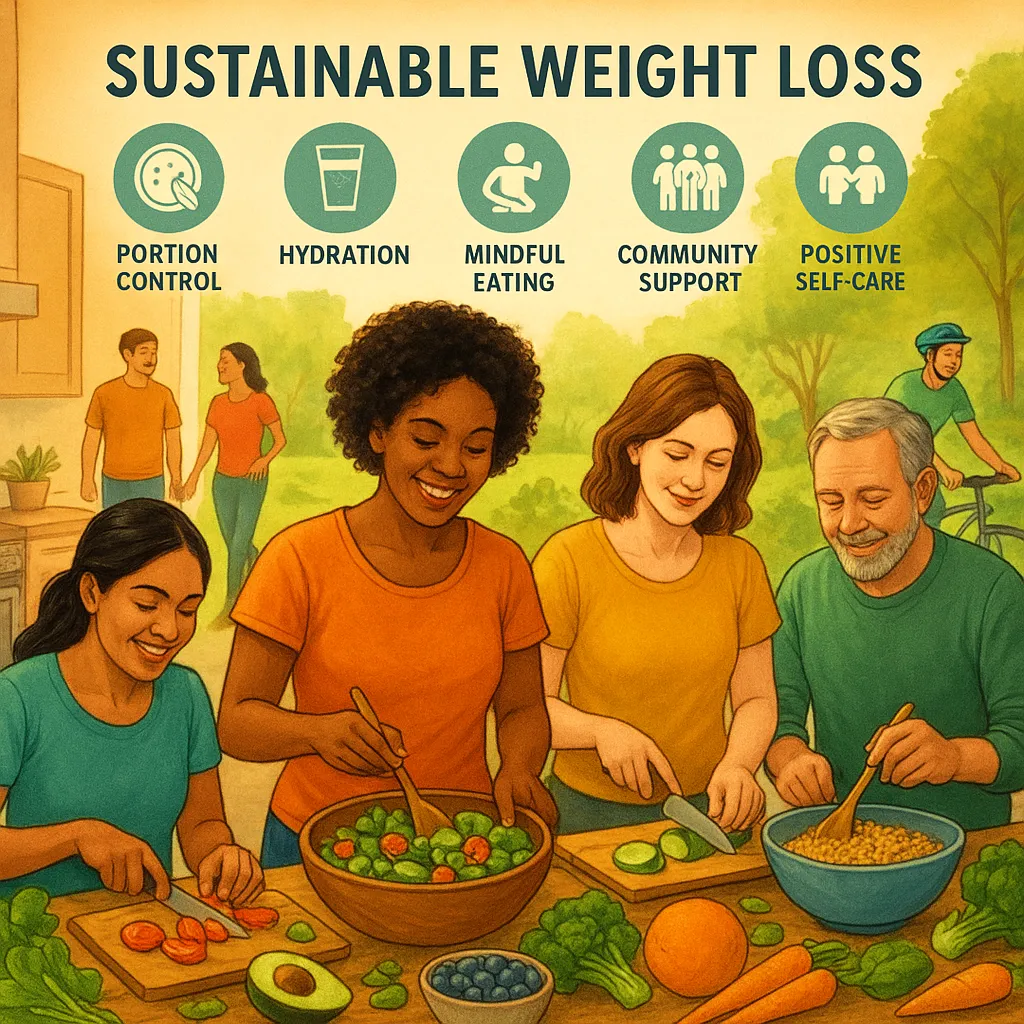
Successful, sustainable weight loss comes from a holistic blend of balanced nutrition, consistent physical activity, behavior change, and support. Focus on building lifelong habits that support your goals and wellbeing rather than seeking quick fixes. For best results, personalize your approach, celebrate progress, and prioritize health over mere numbers on the scale.
“`