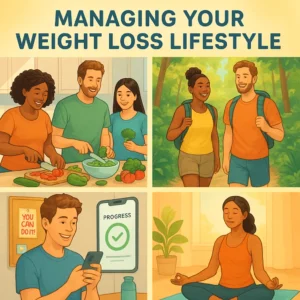

How Can I Effectively Manage My Weight Loss Lifestyle for Long-Term Success?
To effectively manage your weight loss lifestyle for long-term success, focus on building sustainable habits—such as balanced eating, consistent physical activity, and mindful self-care—rather than quick fixes. Make gradual, realistic changes to your daily routine, set achievable goals, and regularly monitor your progress to ensure continued motivation and accountability.
—
What Does It Mean to Manage a Weight Loss Lifestyle?
Managing a weight loss lifestyle means adopting and maintaining daily routines that support healthy body weight and overall well-being over the long term. This goes beyond short-term dieting; it’s about forming lasting, positive behaviors around nutrition, exercise, and mindset.
**Definition Box: Weight Loss Lifestyle Management**
| Term | Definition |
|—————————–|—————————————————————————-|
| Weight Loss Lifestyle | A set of ongoing habits supporting healthy body weight and wellness |
| Long-Term Success | Achieving and maintaining weight goals over months and years |
| Sustainable Habits | Behaviors you can realistically maintain over time |
—
How Do I Start Building Healthy Habits for Weight Loss?
The foundation of long-term weight loss is building healthy habits. Here’s how you can get started:
1. **Assess Your Current Habits:** Track your eating, movement, and sleep patterns.
2. **Set Realistic Goals:** Start small, like aiming for a daily walk or increasing vegetable intake.
3. **Make Gradual Changes:** Replace one unhealthy habit at a time—like swapping sugary drinks for water.
**Quick Guide: Steps to Building Habits**
– **Be Consistent:** Repeat behaviors at the same time each day.
– **Track Progress:** Use journals or apps to monitor your habits.
– **Reward Yourself:** Celebrate milestones, but not with food rewards.
—
How Can I Maintain Motivation Over Time?
Many people ask, “How do I not lose motivation on a weight loss journey?” or “What helps you keep going when progress slows?” Here are strategies to stay on track:
1. Celebrate Non-Scale Victories
Recognize achievements beyond weight, such as improved energy, better sleep, or completing a workout streak.
2. Find Support Systems
Connect with friends, family, or online communities for encouragement and accountability.
3. Practice Mindful Eating
Listen to hunger and fullness cues, and savor meals without distractions.
—
What Role Does Nutrition Play in Sustainable Weight Loss?
Balanced nutrition is the cornerstone of any weight loss lifestyle. Instead of restrictive diets, focus on nutrient-dense foods that fuel your body and mind.
**Table: Components of a Balanced Diet for Weight Loss**
| Food Group | Tips for Weight Loss | Related Entities |
|——————-|——————————————————|———————————-|
| Vegetables | Fill half your plate; aim for variety | Fiber, vitamins, minerals |
| Whole Grains | Choose brown rice, oats, and quinoa over refined | Complex carbs, satiety |
| Lean Proteins | Include chicken, fish, beans, tofu | Muscle maintenance, satiety |
| Healthy Fats | Add nuts, seeds, avocado, olive oil | Omega-3s, heart health |
| Fruit | Use as snacks or dessert; mind portion size | Natural sugar, antioxidants |
—
How Important Is Exercise for Maintaining Weight Loss?
Physical activity is strongly connected to long-term weight control. People often ask, “Do I have to exercise to keep the weight off?” The answer: while diet leads to initial weight loss, regular exercise helps prevent regain.
Recommended Activities
– **Cardio:** Walking, cycling, dancing, or swimming 150+ minutes a week.
– **Strength Training:** 2–3 times per week to maintain muscle and metabolism.
– **Lifestyle Movement:** Take stairs, walk during breaks, be active throughout your day.
—
How Can Mindset and Emotional Health Affect My Weight Loss Journey?
Weight management isn’t just physical—it involves your mindset and emotional well-being. Emotional eating, stress, and negative self-talk can derail progress.
Tips for a Healthy Weight Loss Mindset
– **Practice Self-Compassion:** Be kind to yourself during setbacks.
– **Set Process Goals:** Focus on consistent actions, not just outcomes.
– **Develop Coping Strategies:** Use journaling, meditation, or hobbies to handle stress.
—
How Do I Handle Weight Loss Plateaus and Setbacks?
Nearly everyone encounters plateaus or regains some weight. It’s normal! The key is to address challenges without giving up.
How to Break Through Plateaus
1. **Review Your Habits:** Are you still following your routines?
2. **Adjust Your Routine:** Change up your workouts or tweak your meal plan.
3. **Stay Patient:** Progress isn’t always linear—trust the process.
—
What Are Common Pitfalls and How Can I Avoid Them?
Mistakes like extreme dieting, skipping meals, or relying on fad supplements are common and can harm your long-term success.
**Common Mistakes & Solutions**
– **All-or-Nothing Thinking:** It’s okay if you slip; resume healthy habits at the next meal.
– **Ignoring Sleep:** Aim for 7–9 hours; poor sleep affects hunger hormones.
– **Over-restricting:** Make room for treats in moderation to avoid bingeing.
—
How Can I Monitor My Progress Effectively?
Tracking progress helps you stay accountable and spot trends.
Methods to Track Success
– **Weight and Body Measurements**
– **Food and Exercise Journals**
– **Photos or Clothing Fit Assessments**
– **Check-ins with Healthcare Professionals**
—
How Do I Sustain My Weight Loss Success Long-Term?
Long-term weight management hinges on consistency, flexibility, and ongoing self-awareness.
– **Keep Setting New Goals:** Once you achieve a target, set a new one (e.g., training for a 5K).
– **Review and Update Habits:** Life changes—adapt your routines as needed.
– **Plan for Holidays and Events:** Enjoy special occasions mindfully without guilt.
—
FAQ: Answers to Common Weight Loss Lifestyle Questions
1. **What is the best way to stay motivated for long-term weight loss?**
Focus on non-scale victories, find a support system, and set process-oriented goals to maintain motivation beyond just watching numbers change.
2. **Can I lose weight and keep it off without intense exercise?**
Yes, although movement helps prevent regain. Daily activity—like walking or gardening—combined with dietary changes can be effective.
3. **How often should I check my weight?**
Weekly weigh-ins are generally recommended to monitor trends without fixating on daily fluctuations.
4. **Should I avoid all treats during weight loss?**
No. Allow treats in moderation to prevent feelings of deprivation and promote long-term adherence.
5. **What should I do if I regain some weight?**
Regain isn’t failure—review your habits, make necessary adjustments, and get back on track without self-criticism.
6. **Do weight loss supplements help with sustainable results?**
Most supplements offer little benefit for long-term success; focus instead on proven lifestyle habits of nutrition and exercise.
7. **How important is sleep for weight loss?**
Very important. Poor sleep disrupts hormones that control hunger and fullness, making weight management harder.
—
Summary: Key Takeaways for Long-Term Weight Loss Success
– **Make gradual, sustainable changes for lasting results.**
– **Prioritize balanced nutrition, consistent movement, and positive mindset.**
– **Celebrate progress, learn from setbacks, and adjust as needed.**
– **Seek support and keep your goals realistic.**
Remember, effective weight loss management is a lifelong journey—but with the right strategies, long-term success is well within your reach.
“`