What Can You Eat on the Whole30 Diet?
You can eat whole, unprocessed foods like vegetables, fruits, meat, seafood, eggs, and healthy fats on the Whole30 Diet. The diet removes added sugars, grains, dairy, legumes, and certain additives for 30 days to help reset eating habits and identify potential food sensitivities. The focus is on eating foods in their natural form to support health and well-being.
—
What Is the Whole30 Diet?
**Definition:**
The Whole30 Diet is a 30-day elimination diet designed to help you identify food sensitivities, improve your relationship with food, and support overall health. It emphasizes whole foods and eliminates commonly problematic ingredients.
**Key Goals:**
– Reduce inflammation
– Improve digestion
– Boost energy and focus
– Reset cravings and eating habits
—
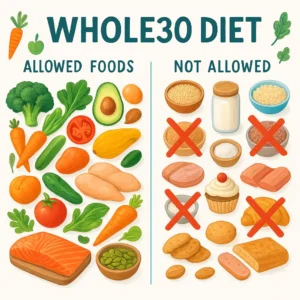
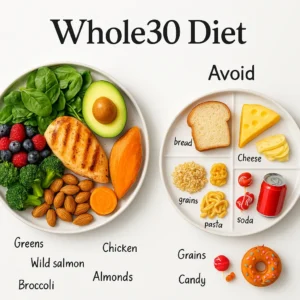
Which Foods Are Allowed on the Whole30 Diet?
Many people ask, “What can you have on Whole30?” or “Which foods are Whole30 compliant?” Here’s a quick breakdown:
Whole30 Approved Foods List
**Protein:**
– Beef, pork, chicken, turkey, lamb
– Fish, shellfish
– Eggs
**Vegetables:**
– Leafy greens (spinach, kale, arugula)
– Broccoli, cauliflower, Brussels sprouts
– Sweet potatoes, carrots, beets
– Peppers, tomatoes, squash, zucchini
**Fruits:** (in moderation)
– Apples, bananas, oranges, berries, melons, citrus fruits
**Fats:**
– Avocado, coconut, olives, ghee (clarified butter)
– Oils: olive oil, coconut oil, avocado oil, walnut oil
**Nuts & Seeds:** (no peanuts)
– Almonds, cashews, walnuts, macadamias, sunflower seeds, pumpkin seeds
**Herbs, Spices, Vinegars:**
– Fresh/dried spices and herbs
– Vinegars (except malt vinegar)
**Drinks:**
– Water (still or sparkling)
– Black coffee (unsweetened)
– Herbal teas (unsweetened)
—
Whole30 Diet Food Table
| Food Group | Examples | Notes |
|——————|———————————————————————————–|——————————————|
| Protein | Beef, chicken, fish, turkey, eggs | No processed meats with additives |
| Vegetables | Broccoli, carrots, spinach, zucchini, sweet potato | Potatoes (all) now allowed |
| Fruits | Berries, apples, bananas, oranges | Eat in moderation |
| Fats & Oils | Avocado, olives, coconut, olive oil, ghee | Avoid canola and soybean oils when possible|
| Nuts & Seeds | Almonds, walnuts, cashews, pumpkin and sunflower seeds | Peanuts excluded (legume) |
| Herbs & Spices | Basil, thyme, rosemary, pepper, turmeric, garlic | Read labels for hidden additives |
—
Common Whole30 Program Questions
Can I Eat Fruit on the Whole30 Diet?
Yes, fruit is allowed—just eat it in moderation and choose whole fruits instead of fruit juice. Berries, melons, apples, and oranges are popular choices.
Are Potatoes Allowed on Whole30?
Yes, all types of potatoes are Whole30 compliant, including white potatoes, sweet potatoes, and yams. However, they must be prepared without dairy, banned oils, or added sugars.
What Drinks Are OK on Whole30?
Permitted drinks include water (plain or sparkling), black coffee (unsweetened), and non-sweetened herbal teas. Sodas, alcohol, and sweetened drinks are not allowed.
—
What Foods Are Not Allowed on Whole30?
Learning what to avoid is as important as knowing what’s allowed. Here’s a quick rundown:
Whole30 No List
– **Added Sugar:** No natural or artificial sweeteners (honey, maple syrup, agave, stevia, aspartame)
– **Grains:** No wheat, oats, rice, corn, quinoa, barley, etc.
– **Legumes:** No beans, lentils, peas, peanuts, or soy products (tofu, soy sauce, edamame)
– **Dairy:** No milk, cheese, yogurt, cream (ghee and clarified butter are exceptions)
– **Additives:** Avoid carrageenan, MSG, sulfites, and processed foods with non-compliant ingredients
– **Alcohol:** No wine, beer, liquor, or foods prepared with alcohol
– **Baked Goods/Junk Food:** Even “approved ingredients” versions (like almond-flour pancakes) are not allowed
—
Can I Eat Out on Whole30?
Many people wonder if Whole30 is too restrictive to enjoy restaurant meals or takeout. You can eat out, but you’ll need to:
– Ask about ingredients and cooking oils
– Request simple grilled meats and plain vegetables
– Skip sauces, bread, and dressings unless verified compliant
—
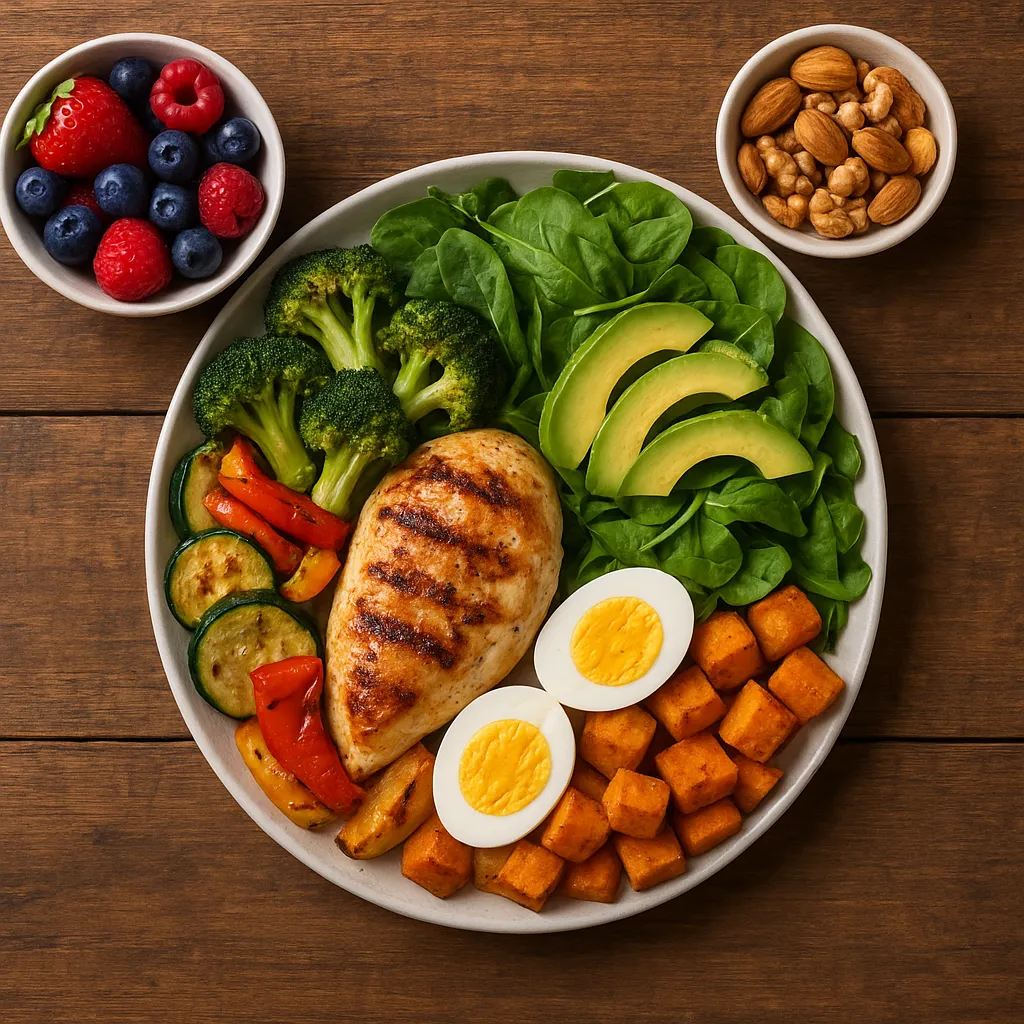
What Are Typical Whole30 Meals?
Looking for meal ideas? Here’s how a day might look:
**Breakfast:** Scrambled eggs with spinach, avocado, and salsa
**Lunch:** Grilled chicken breast, roasted sweet potatoes, green salad with olive oil
**Dinner:** Baked salmon, sautéed broccoli, and mashed cauliflower
**Snacks (if needed):** Apple slices and raw cashews
—
How Does Whole30 Differ from Other Diets?
Whole30 is a form of elimination diet, closely related to Paleo but more restrictive. Unlike Keto, it doesn’t focus on macronutrient ratios (like carbs or fats) but rather the type and quality of food. The emphasis is on whole food groups and food reintroduction after the 30 days for insights on how different foods affect your body.
—
Whole30 Diet: Allowed & Not Allowed Summary Table
| Category | Allowed Foods | Not Allowed Foods |
|——————–|————————–|———————–|
| Proteins | Fish, poultry, eggs | Processed meats with additives |
| Vegetables | All, including potatoes | None |
| Fruits | All in moderation | Fruit juice as a beverage |
| Fats & Oils | Avocado, olive oil, ghee | Margarine, canola oil (limit), seed oils |
| Nuts & Seeds | Most except peanuts | Peanuts, peanut butter |
| Dairy | Ghee/clarified butter | Milk, cheese, yogurt |
| Grains | None | Wheat, rice, oats, corn|
| Legumes | None | Beans, lentils, soy, peanuts |
| Additives | None | MSG, sulfites, carrageenan |
| Sweeteners | None | Honey, sugar, stevia |
| Alcohol | None | All types |
—
Related Entities and Concepts
– **Paleo Diet:** Shares a focus on whole foods, but less strict with some ingredients.
– **Elimination Diet:** Whole30 is a type of elimination and reintroduction protocol.
– **Food Sensitivities:** The program is designed to help people discover reactions to certain foods.
– **Nutrient Density:** Emphasis on nutrient-rich foods like vegetables, lean proteins, and healthy fats.
—
Frequently Asked Questions (FAQ) About Whole30 Foods
1. Can you have bacon on Whole30?
Bacon is allowed if it’s free of sugar, sulfites, MSG, and other banned additives—always check the ingredient list.
2. Is coconut milk Whole30 approved?
Yes, as long as it has no added sweeteners, sulfites, or carrageenan. Always read labels.
3. Are canned vegetables and fruits allowed?
Yes, if they are packed in water or their own juice with no added sugar, artificial flavors, or banned additives.
4. Can you use salt and pepper on Whole30?
Yes, all spices and herbs are permitted, but watch for hidden ingredients in spice mixes.
5. Is coffee allowed on Whole30?
Yes, plain black coffee and cold brew are allowed. No sweetened creamers or milk.
6. What are some Whole30 compliant snacks?
Compliant snacks include raw vegetables, boiled eggs, fresh fruit, or a handful of raw nuts.
7. Can you eat at restaurants on Whole30?
Yes, but you must ask detailed questions to ensure no forbidden ingredients are used, and order simple, unprocessed menu items.
—
Final Tips for Whole30 Success
– **Plan ahead:** Prepare meals and snacks in advance.
– **Check every label:** Many packaged foods contain hidden sugars, soy, or additives.
– **Stay hydrated:** Drink water regularly.
– **Keep it simple:** Focus on single-ingredient foods to avoid accidental non-compliance.
—
_Eating on Whole30 is about choosing whole, nutrient-dense, and unprocessed foods while eliminating common irritants for 30 days. By following these guidelines, you can clarify your relationship with food and discover what truly works for your body._
“`