What Foods Are Allowed and Not Allowed on the Whole30 Diet?
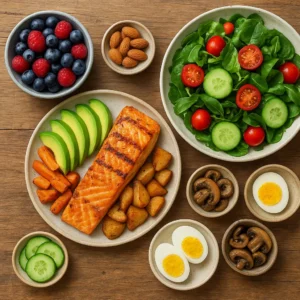
The Whole30 diet allows you to eat whole, unprocessed foods like meats, seafood, eggs, vegetables, fruits, and healthy fats while strictly eliminating added sugar, grains, dairy, legumes, and processed ingredients for 30 days. In short, you can eat naturally occurring foods but must avoid foods and additives that often cause inflammation or health issues. This guide provides clear lists, explanations, and context to help navigate Whole30’s rules.
—
What Is the Whole30 Diet?
**Whole30 Diet Definition:**
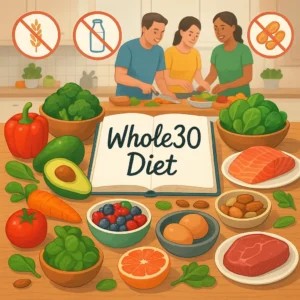
Whole30 is a 30-day elimination diet designed to reset your metabolism, identify possible food sensitivities, and promote healthy eating habits. Created by Melissa Hartwig Urban, the program requires you to eliminate potentially problematic foods and focus on whole, nutrient-dense options.
—
What Foods Are Allowed on the Whole30 Diet?
On Whole30, you eat natural, unprocessed foods. The focus is on nutrition, satiety, and avoiding common allergens or gut disruptors.
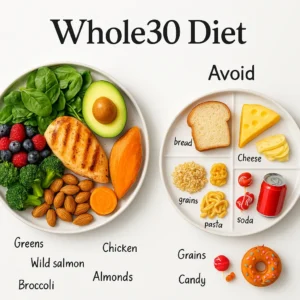
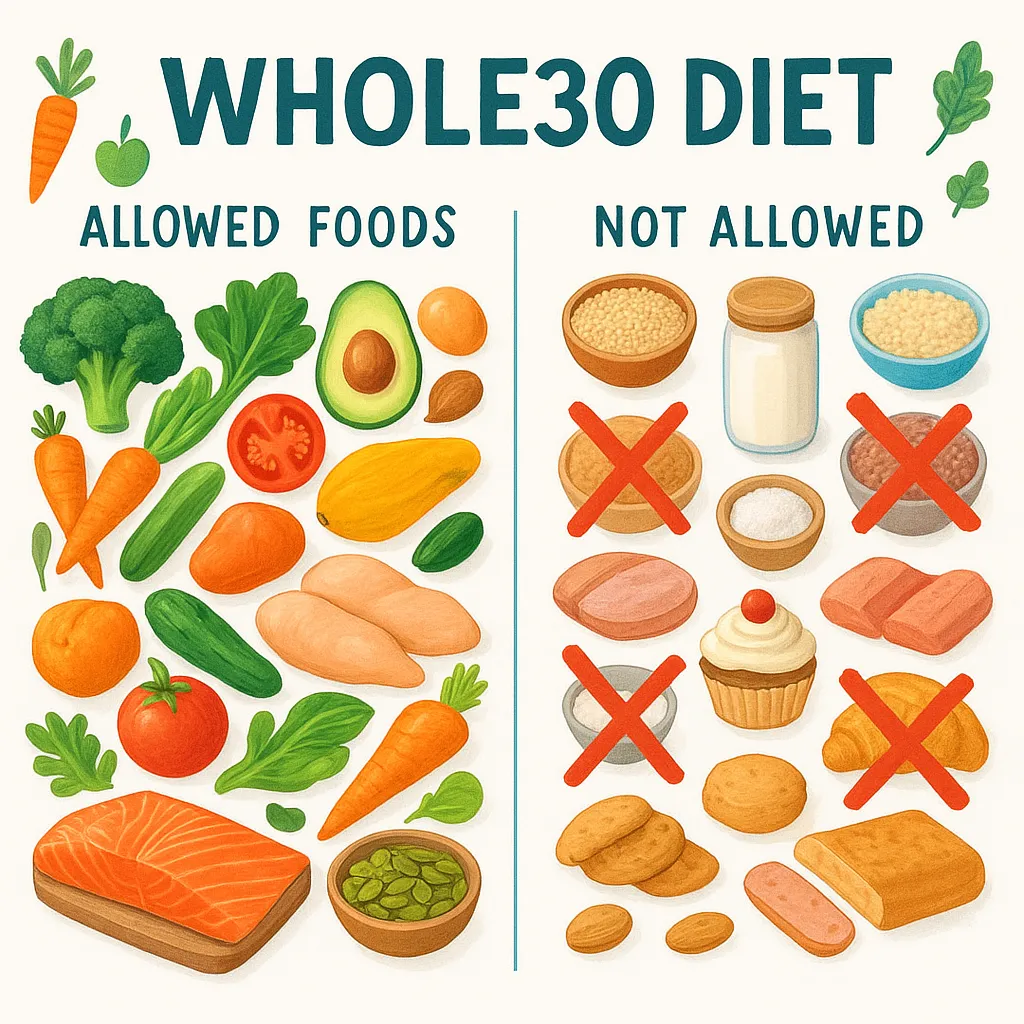
List: Foods Allowed on Whole30
– **Meats & Seafood:**
– Beef, pork, chicken, turkey, lamb
– Fish, shellfish, shrimp, clams
– **Eggs:**
– All fresh eggs
– **Vegetables:**
– All vegetables (including potatoes) except legumes
– **Fruits:**
– All fresh and frozen fruits (in moderation)
– **Nuts & Seeds:**
– Most nuts (except peanuts), nut butters (except peanut butter), hemp, chia, flax seeds
– **Healthy Fats:**
– Olive oil, coconut oil, avocado oil, ghee (clarified butter)
– **Herbs & Spices:**
– All fresh and dried herbs and natural seasonings (without added sugar or non-compliant ingredients)
– **Coffee & Tea:**
– Black coffee, unsweetened herbal and regular tea
—
What Foods Are Not Allowed on Whole30?
Many common foods are excluded to help participants identify possible food sensitivities and break unhealthy eating patterns.
List: Foods Not Allowed on Whole30
– **Added Sugar (real or artificial):**
– White, brown, coconut sugar
– Honey, maple syrup, agave, stevia, monk fruit, Splenda, aspartame, and other sweeteners
– Read labels to avoid hidden sugars (e.g., dextrose, maltodextrin)
– **Grains:**
– Wheat, rice, oats, corn, barley, rye, millet, quinoa, bulgur, amaranth
– All products made from grains (bread, pasta, tortillas, cereals, etc.)
– **Legumes:**
– Beans (black, kidney, pinto, garbanzo, navy)
– Lentils, peas, peanuts, soybeans (tofu, tempeh, edamame, miso, soy sauce, peanut butter)
– **Dairy:**
– Cow, goat, and sheep milk
– Cheese, yogurt, ice cream, kefir, sour cream, cream cheese, processed dairy ingredients
– Exception: Ghee or clarified butter is allowed
– **Alcohol:**
– All forms (including for cooking)
– **Certain Food Additives:**
– Carrageenan, MSG, sulfites, and other non-compliant additives
– **Baked Goods, Junk Foods, or Sex With Your Pants On Foods (SWYPO):**
– Even if made with Whole30 ingredients, avoid pancakes, waffles, bread, chips, cookies, or treats
—
Whole30 Allowed & Not Allowed Foods At-A-Glance
| Food Category | Allowed Examples | Not Allowed Examples |
|———————|————————————————–|————————————|
| Meat & Seafood | Chicken, beef, salmon, shrimp | Deli meats with added sugar |
| Eggs | Chicken eggs, duck eggs | None (unless processed) |
| Vegetables | Broccoli, carrots, spinach, potatoes | Chickpeas, peas, soybeans |
| Fruit | Apples, bananas, berries | Dried fruits with added sugar |
| Fats | Avocado, coconut oil, ghee, olives | Butter, margarine |
| Nuts & Seeds | Almonds, cashews, sunflower seeds | Peanuts, peanut butter |
| Beverages | Water, coffee, herbal tea | Soda, milk, alcohol |
| Additives | None (all must be checked for compliance) | Carrageenan, sulfites, MSG |
| Grains | – | Oats, rice, corn, wheat |
| Dairy | – | Milk, cheese, yogurt |
—
Why Are Some Foods Avoided on Whole30?
Whole30 excludes certain foods and ingredients because they are common sources of inflammation, digestive upset, or unhealthy dietary habits. By removing them, your body can reset, and you may discover sensitivities.
– **Grains and Legumes:** Can be problematic for blood sugar and digestion.
– **Dairy:** May cause inflammation or digestive issues.
– **Added Sugars & Sweeteners:** Linked to cravings and unstable energy.
– **Artificial Additives:** Some have ties to gut or neurological symptoms.
—
What About Restaurant and Packaged Foods?
On Whole30, it’s essential to avoid hidden ingredients that could break the rules:
– **Read all labels carefully** to spot forbidden grains, added sugars, or additives.
– **Restaurant meals:** Request plain meats and steamed vegetables. Ask about all ingredients and cooking oils.
– **Packaged foods:** Only those with a simple, compliant ingredient list are allowed. Look for “Whole30 Approved” brands, but still check labels.
—
What Can You Drink on Whole30?
Staying hydrated and satisfied is easier with these beverage options:
– **Allowed Drinks:**
– Water (plain or sparkling)
– Black coffee (unsweetened)
– Tea (herbal or regular, unsweetened)
– Coconut water (*check for added sugar*)
– **Not Allowed:**
– Milk and non-dairy milks (most are legume or grain-based, e.g., soy or oat milk)
– Alcoholic beverages
– Sodas, juices (unless all ingredients are compliant and juice is used for flavor)
– Sweetened drinks (including “diet” beverages)
—
Can You Eat Snacks on Whole30?
Snacking is not forbidden, but Whole30 encourages eating satiating meals to minimize between-meal snacks. If needed, choose compliant options like:
– Hard-boiled eggs
– Raw veggies with compliant dip (guacamole, salsa)
– Fresh fruit (watch quantity)
– Handful of approved nuts or seeds
—
Variations of the Question: What Foods Are Allowed and Not Allowed on Whole30?
Many people phrase this question in several ways, such as:
– “Which foods can I eat or should I avoid on Whole30?”
– “What are the rules for Whole30 foods?”
– “Is dairy, grains, or sugar allowed on Whole30?”
– “What snacks can I have on Whole30?”
No matter how it’s asked, the principle is the same: Focus on real, whole foods; avoid processed, sugary, and restricted items.
—
Is the Whole30 Diet Worth It?
Deciding to do a Whole30 can offer potential benefits: improved digestion, reduced inflammation, and better awareness of your food choices. However, the strict rules require planning and discipline, so it helps to prepare and know exactly what’s in your meals.
—
Frequently Asked Questions (FAQ) About Whole30 Foods
1. **Can I have potatoes on Whole30?**
Yes, all varieties of potatoes (white, sweet, red, purple) are allowed, but not in chip or fry form.
2. **Is coconut milk allowed on Whole30?**
Yes, as long as it contains no added sugar or non-compliant ingredients.
3. **Are store-bought sauces and dressings allowed?**
Only if every ingredient is Whole30-compliant (no sugar, dairy, soy, or banned additives). Many pre-made options are not compliant.
4. **Is coffee allowed on Whole30?**
Yes, you can drink black coffee. Avoid adding sugar, milk, or non-compliant creamers.
5. **Can I eat bacon on Whole30?**
Bacon is allowed only if it contains no sugar or banned additives—check the label carefully or look for Whole30 Approved products.
6. **Are natural sweeteners like honey or maple syrup okay?**
No. All forms of added sugar and sweeteners, real or artificial, are eliminated during Whole30.
7. **Is it okay to recreate junk food with Whole30 ingredients?**
No. Making pancakes, muffins, bread, or desserts (even with compliant ingredients) is not permitted, in line with the “no SWYPO” (Sex With Your Pants On) rule.
—
Summary: What Foods to Eat and Avoid on Whole30
To succeed on Whole30, eat nutrient-dense whole foods, avoid processed items, and always check labels. Remember, the emphasis is on resetting your eating habits and discovering how certain foods affect your body. If you’re ever unsure about a food, refer to the official Whole30 rules or consult a Whole30 community or nutrition expert.
“`