What Foods Can You Eat on the Whole30 Diet?
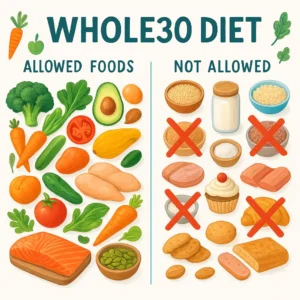
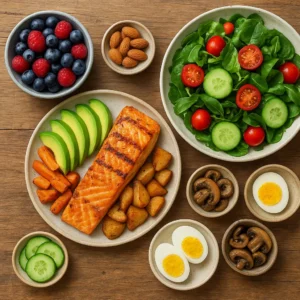
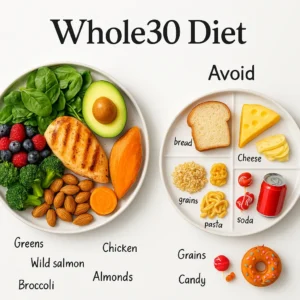
You can eat whole, unprocessed foods such as vegetables, fruits, eggs, seafood, unprocessed meats, nuts, and healthy fats on the Whole30 diet. The program excludes added sugars, processed foods, grains, legumes, dairy, and certain additives for 30 days to help reset your eating habits and support better health.
—
What Is the Whole30 Diet?
**Definition:**
The Whole30 is a 30-day elimination diet that focuses on eating whole foods and removing potentially inflammatory or problematic foods such as grains, legumes, dairy, added sugar, and processed ingredients. The main goal is to help you identify how different foods affect your body and to promote healthier eating patterns.
—
What Foods Are Allowed on Whole30?
List of Whole30-Approved Foods
Here’s a quick-reference guide to what you can eat during the Whole30 program:
– **Vegetables:** All types except corn and legumes (peas, beans).
– **Fruits:** All fresh, whole fruits in moderation.
– **Seafood:** All unprocessed fish and shellfish.
– **Unprocessed Meat:** Beef, pork, chicken, turkey, lamb, and other meats—no added sugars or sulfites.
– **Eggs:** All egg varieties, prepared any way.
– **Nuts and Seeds:** Most nuts and seeds except peanuts (a legume); no added sugar or sulfites.
– **Oils and Fats:** Coconut oil, ghee, olive oil, avocado oil, and animal fats.
– **Herbs, Spices, and Seasonings:** All without added sugars or non-compliant additives.
—
Whole30 Pantry Staples Table
| Food Group | Enjoy On Whole30 | Avoid On Whole30 |
|——————|————————————|————————————————————-|
| Vegetables | Broccoli, carrots, spinach, etc. | Corn, peas, green beans, lentils |
| Fruits | Apples, berries, melon | Fruit juices (as beverage), sweetened dried fruit |
| Proteins | Steak, chicken, eggs, shrimp | Sausage with added sugar, processed deli meats with additives|
| Healthy Fats | Avocado, coconut oil, olives | Margarine, processed seed oils (with additives) |
| Nuts & Seeds | Almonds, walnuts, chia seeds | Peanuts, peanut butter, nuts with added sugar |
| Flavorings | Fresh herbs, hot sauce (compliant) | Soy sauce, ketchup, dressings with sugar/dairy/soy |
—
What Should You Avoid on Whole30?
People often ask: “What foods are not allowed on Whole30?”
Here’s a clear list:
– **Added Sugar:** All forms, including cane sugar, honey, maple syrup, agave, and artificial sweeteners.
– **Grains:** Wheat, rice, oats, corn, quinoa, barley, etc.
– **Legumes:** Beans, lentils, peanuts, soy, tofu, chickpeas, and products containing them.
– **Dairy:** Milk, cheese, yogurt, sour cream, with the exception of clarified butter (ghee).
– **Certain Additives:** MSG, carrageenan, and sulfites.
– **Alcohol:** In any form.
– **Baked Goods or “Junk food” recreations:** Even if made with allowed ingredients.
—
Example Whole30 Meals
**Breakfast:** Scrambled eggs with spinach and sweet potatoes cooked in olive oil.
**Lunch:** Grilled chicken salad with mixed greens, sliced avocado, cucumber, and olive oil dressing.
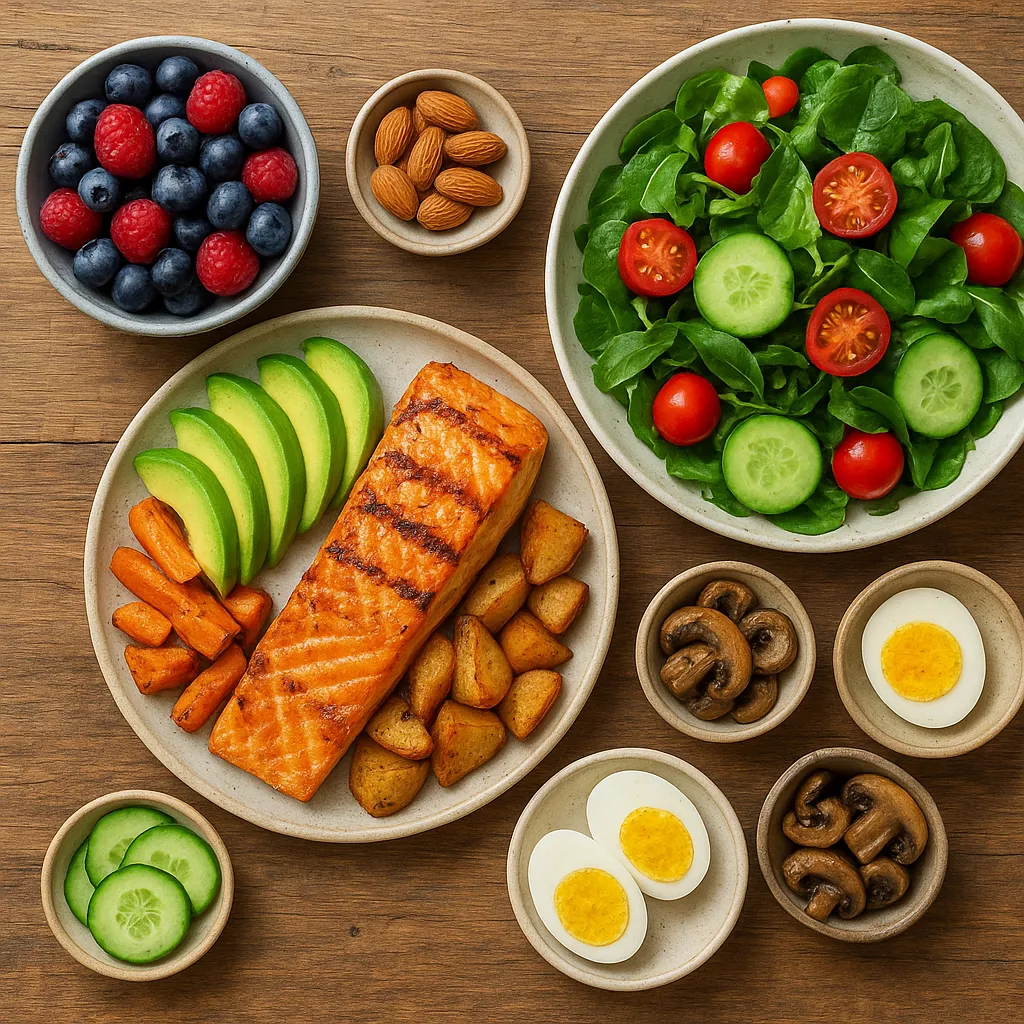
**Dinner:** Baked salmon with steamed broccoli and roasted butternut squash.
**Snack:** An apple with almond butter (no sugar or additives).
—
Which Foods Are Commonly Confused About on Whole30?
Some foods cause confusion. Here are clarifications:
– **Potatoes:** White potatoes are allowed (baked, roasted, etc.), but no fries or chips.
– **Clarified butter (ghee):** Allowed; all other dairy is not.
– **Green beans and sugar snap peas:** Technically legumes, but allowed due to low lectin content.
—
Related Entities and Concepts
– **Elimination Diet:** Whole30 functions as a structured elimination program.
– **Paleo Diet:** Many overlap, but Whole30 is stricter (no added sugar or “Paleo-ified” treats).
– **Food Sensitivities:** The reintroduction phase helps you identify how your body responds to various food groups.
– **Meal Planning:** Essential for compliant and successful Whole30 experience.
—
Variations of the Main Question
– “What can I eat during Whole30?”
– “Which foods are Whole30 compliant?”
– “What are the allowed foods on Whole30?”
– “List of foods permitted on Whole30 diet”
– “Is fruit allowed on Whole30?”
—
The Science and Philosophy Behind Whole30
Whole30 encourages focusing on nutrient-dense, unprocessed foods that support overall health and wellness. By removing common inflammatory foods and additives, you potentially reduce cravings, improve digestion, and learn to read ingredient labels more effectively.
—
Frequently Asked Questions (FAQ) about Allowed Foods on Whole30
1. **Can you eat fruit on Whole30?**
Yes! All fresh, whole fruits are allowed on Whole30. Just eat them in moderation and avoid juices as your primary beverage.
2. **Are nuts and nut butters allowed on Whole30?**
Most are compliant except peanuts and peanut butter. Choose unsweetened, unprocessed nut butters free of added sugar or non-compliant oils.
3. **Is coffee allowed on Whole30?**
Yes, black coffee is allowed. Avoid adding dairy, sweeteners, or non-compliant creamers.
4. **Are potatoes allowed on Whole30?**
Yes, all forms of potatoes (except chips and fries) are compliant.
5. **Can you eat deli meats on Whole30?**
Some unprocessed deli meats are allowed if they are free of sugar, sulfites, and non-compliant additives—read labels carefully!
6. **Do you have to buy organic or grass-fed foods for Whole30?**
No. While buying high-quality products is encouraged, it is not required; follow the program as best as you can within your budget.
7. **Are restaurant meals Whole30 compliant?**
It depends; you must verify all ingredients. Ask about cooking oils, sauces, and seasoning to ensure compliance.
—
Summary: What Can You Eat on Whole30?
On Whole30, you’ll enjoy a variety of whole foods including vegetables, fruits, meat, seafood, eggs, nuts (except peanuts), and healthy fats. Avoid all grains, legumes, dairy (except ghee), added sugar, alcohol, and processed ingredients for 30 days. This reset helps you discover how different foods affect your health and encourages lasting, mindful eating habits.
—
*For more Whole30 resources, consult the official [Whole30 website](https://whole30.com) or reputable nutrition guides for comprehensive, compliant food lists.*
“`