What Foods Can You Eat on the Whole30 Diet?
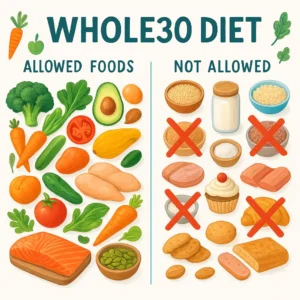
**You can eat on the Whole30 Diet: fresh meats and seafood, eggs, all vegetables and fruits, natural fats and oils, and certain nuts and seeds. The diet excludes added sugar, alcohol, grains, legumes, dairy (except clarified butter), and most processed foods—for 30 days.**
Whole30 is a short-term, reset-style nutrition program focused on eating whole foods while eliminating specific food groups that commonly cause cravings or digestive issues. Wondering exactly what you’re allowed to eat—and what you should avoid? Let’s break it down.
—
What Is Whole30, and What Are the Basic Food Rules?
Whole30 is a 30-day eating plan designed to help people identify foods that might negatively impact health, mood, digestion, or cravings. For 30 days, you commit to whole, minimally processed foods while completely avoiding restricted ingredients and products.
Whole30: The Essentials
– **Eat:** Whole, nutrient-dense foods (meats, seafood, eggs, produce, healthy fats)
– **Avoid:** Sugar, alcohol, grains, legumes, dairy, and processed additives
Let’s dive into which foods actually make the cut.
—
What Foods Are Allowed on the Whole30 Diet?
Whole30 Approved Foods (Quick Reference Table)
| Food Group | Examples |
|——————-|———————————————————|
| Protein | Beef, chicken, pork, turkey, fish, shellfish, eggs |
| Vegetables | Potatoes, broccoli, spinach, kale, carrots, peppers |
| Fruits | Apples, bananas, berries, citrus, melon, mango |
| Fats & Oils | Olive oil, coconut oil, avocado oil, ghee, avocados |
| Nuts & Seeds | Almonds, cashews, walnuts, pumpkin seeds, sunflower seeds|
| Seasonings | Fresh herbs, spices, salt, pepper, vinegar (except malt)|
—
Which Meats and Seafood Can You Eat on Whole30?
You can eat nearly all unprocessed meat, poultry, and seafood, as long as they contain no added sugar or non-compliant ingredients.
**Examples:**
– Beef (grass-fed preferred)
– Chicken, turkey, duck (skin-on or off)
– Pork, pork chops, tenderloin
– Bacon (only if it is sugar-free)
– Fish (salmon, tuna, cod, tilapia)
– Shellfish (shrimp, scallops, crab, lobster)
– Eggs (all varieties, cooked any way)
> **Tip:** Always check labels for additives, especially in deli meat, bacon, or sausage.
Can You Eat Eggs on Whole30?
**Yes.** Eggs are encouraged for their protein content and nutritional value. Scrambled, boiled, poached, fried—all are permitted.
—
Which Vegetables and Fruits Are Allowed on Whole30?
All vegetables and fruits are allowed—fresh or frozen, with no added sugars or prohibited ingredients.
**Starchy Vegetables:**
– White potatoes
– Sweet potatoes
– Yams
– Pumpkin
– Squash
**Non-Starchy Vegetables:**
– Spinach, kale, arugula, lettuce
– Broccoli, cauliflower, Brussels sprouts
– Carrots, celery, beets, radish, cucumber
– Bell peppers, onions, tomatoes, mushrooms
**Fruits:**
– Apples, oranges, bananas, pineapples, berries (strawberries, blueberries, raspberries)
– Melons, grapes, papaya, mango, kiwi
– Dried fruit (check for added sugar)
> **Note:** Fruit juice is allowed as a natural sweetener in recipes, but not as a beverage.
Are Beans, Peas, and Lentils Allowed?
**No.** All legumes—including beans, chickpeas, lentils, peanuts, and soy—are excluded on Whole30.
—
Which Fats, Oils, Nuts & Seeds Can You Have?
Approved Fats & Oils
– Olive oil (extra virgin and regular)
– Coconut oil, coconut milk/cream (unsweetened)
– Ghee (clarified butter, lactose-free)
– Avocado oil
– Animal fats (lard, duck fat, tallow)
Whole30 Nuts & Seeds
Most nuts and seeds are allowed, but **peanuts (a legume)** are not.
– Almonds, walnuts, pecans, cashews, macadamias, hazelnuts
– Sunflower seeds, pumpkin seeds, chia seeds, flaxseeds
**Nut butters and seed spreads** are permitted if they contain only compliant ingredients (no sugar or peanut products).
—
Which Foods Are Not Allowed on the Whole30 Diet?
**Forbidden Food Groups on Whole30:**
– Added sugar (real or artificial, including honey, maple syrup, stevia, agave)
– Alcohol (in food or drink)
– All grains (wheat, rice, oats, barley, corn, quinoa, etc.)
– Legumes (beans, lentils, chickpeas, soy, peanuts)
– Dairy (except ghee and clarified butter)
– Carrageenan, MSG, and sulfites (food additives)
– Processed foods or treats even if made with compliant ingredients (e.g., pancakes, cookies, chips)
> **Remember:** Ingredient lists matter more than nutrition labels on Whole30.
—
How Do You Build a Whole30-Compliant Meal?
Whole30 Meal Template
– **Protein:** Palm-sized serving
– **Veggies:** Fill half your plate
– **Fruit (optional):** One to two daily servings
– **Healthy fat:** Thumb-sized portion or a small handful of nuts/seeds
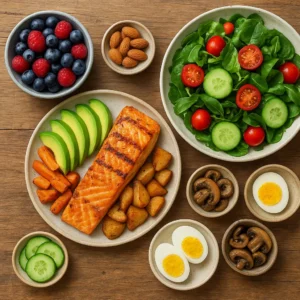
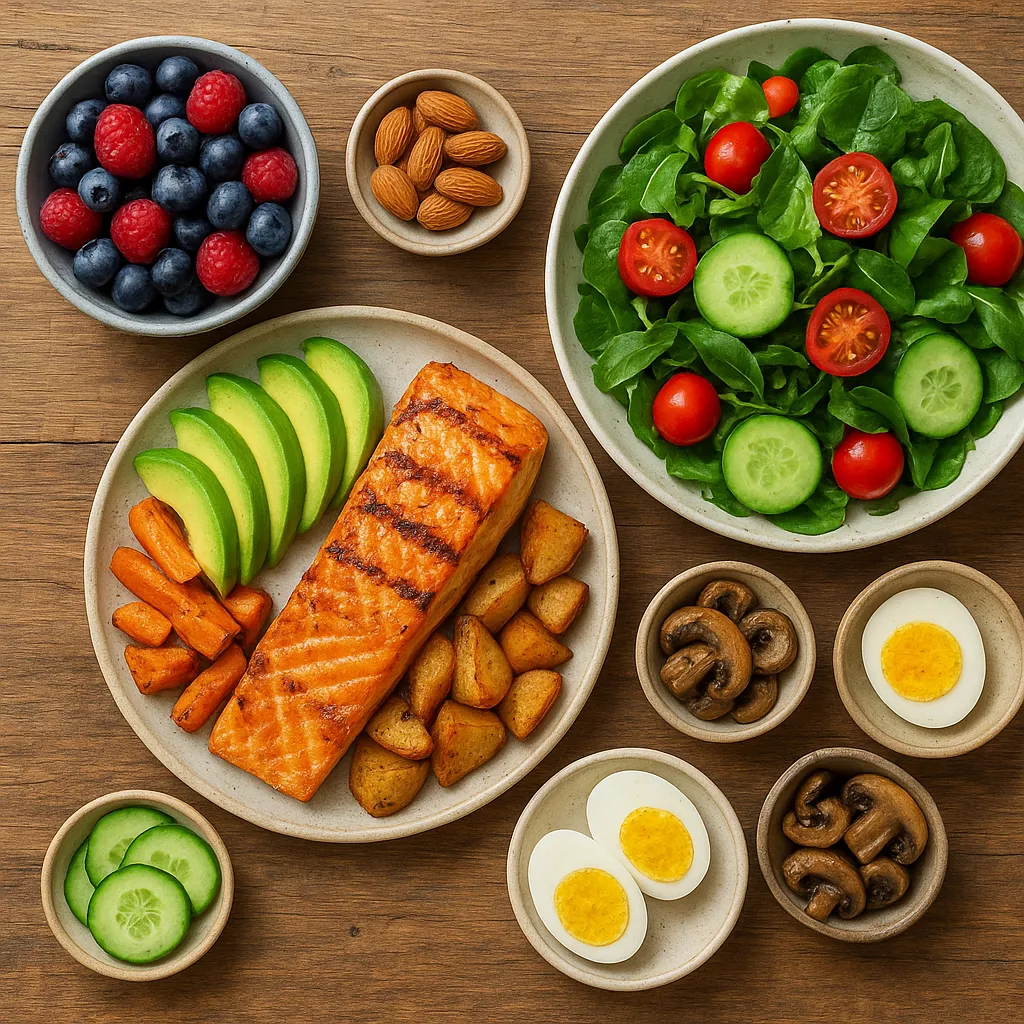
**Sample Meal:**
Grilled chicken breast, roasted sweet potatoes, steamed broccoli, and a side of avocado.
—
Can You Eat Out on Whole30?
Yes, but do so with caution.
Ask about sauces, marinades, and prep methods. Look for simple grilled meats or fish, and plain steamed or roasted veggies. Always check for added sugars, grains, and non-compliant oils.
—
Whole30-Compliant Foods: Quick List
– Unprocessed meats, poultry, seafood, eggs
– All fresh, frozen, and most canned vegetables and fruits (no added sugar)
– Healthy fats: olive oil, coconut oil, ghee, avocado, nuts and seeds (except peanuts)
– Fresh and dried herbs, spices, sea salt, most vinegars (except malt)
– Black coffee, unsweetened tea, sparkling water
—
Related Topics: How Does Whole30 Differ from Paleo and Keto?
– **Whole30 vs. Paleo:** Whole30 is stricter—no sweeteners (even honey), and no recreating junk foods. Paleo allows more flexibility.
– **Whole30 vs. Keto:** Keto is very low-carb and high-fat, while Whole30 is not a low-carb diet and allows starchy vegetables/fruits.
—
Whole30 Foods Definition Box
**Allowed on Whole30**
– Unprocessed meats, seafood, eggs
– All vegetables and fruits
– Healthy fats: oils, avocados, certain nuts/seeds
– Herbs and spices
– Black coffee and unsweetened teas
**Excluded Foods**
– Sugar, alcohol, grains, legumes, dairy (except ghee), additives
—
FAQs: Whole30 Food Choices
1. **Can you eat potatoes on Whole30?**
**Yes.** All potatoes, including white, yellow, and sweet potatoes, are allowed.
2. **Is coffee allowed on Whole30?**
**Yes.** Black coffee is allowed, but you cannot add dairy or non-compliant creamers. Use coconut milk or almond milk (unsweetened, no additives) if you need a substitute.
3. **Can I use salt, spices, and herbs?**
**Yes.** Salt, fresh/dried herbs, and all pure spices are encouraged. Just check that spice mixes contain no sugar or additives.
4. **Are store-bought sauces and dressings permitted?**
**Only if they are Whole30-compliant:** no sugar, grains, legumes, dairy, or forbidden additives. Read every label.
5. **Are restaurant foods Whole30-friendly?**
Sometimes. Always ask how foods are prepared and avoid grains, legumes, and sugar in sauces or dressings.
6. **Can you have smoothies on Whole30?**
Technically yes, if all ingredients are compliant. But Whole30 advises limiting smoothies in favor of whole foods.
7. **Is honey or maple syrup allowed?**
No. No added or natural sugars of any kind are permitted during the 30 days.
—
Bottom Line: What Foods to Eat on Whole30
Whole30 focuses on eating real, whole foods—meats, seafood, eggs, vegetables, fruits, healthy fats, and certain nuts and seeds—for 30 days. Avoid sugar, alcohol, grains, legumes, dairy (except ghee), and additives. Simple, minimally processed foods are your best choices for success on the Whole30 program.
“`