What Are the Most Effective Strategies for Achieving Sustainable Weight Loss?
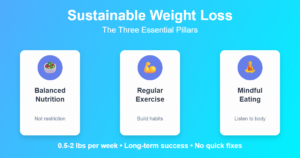
The most effective strategies for sustainable weight loss focus on long-term lifestyle changes, including a balanced diet, regular physical activity, behavioral adjustments, and ongoing support. Combining healthy eating habits, consistent exercise, mindful behaviors, and addressing emotional factors leads to gradual, lasting weight loss that supports overall wellness.
—
What Does “Sustainable Weight Loss” Mean?
**Sustainable weight loss** refers to reducing body weight at a healthy and steady pace in ways that can be maintained for life. Unlike quick fixes or fad diets, sustainable strategies emphasize overall well-being, healthy habits, and gradual progress. Typical sustainable weight loss is about 1–2 pounds (0.5–1 kg) per week.
—
What Are Key Strategies for Sustainable Weight Loss?
1. How Can Dietary Changes Help with Long-Term Weight Management?
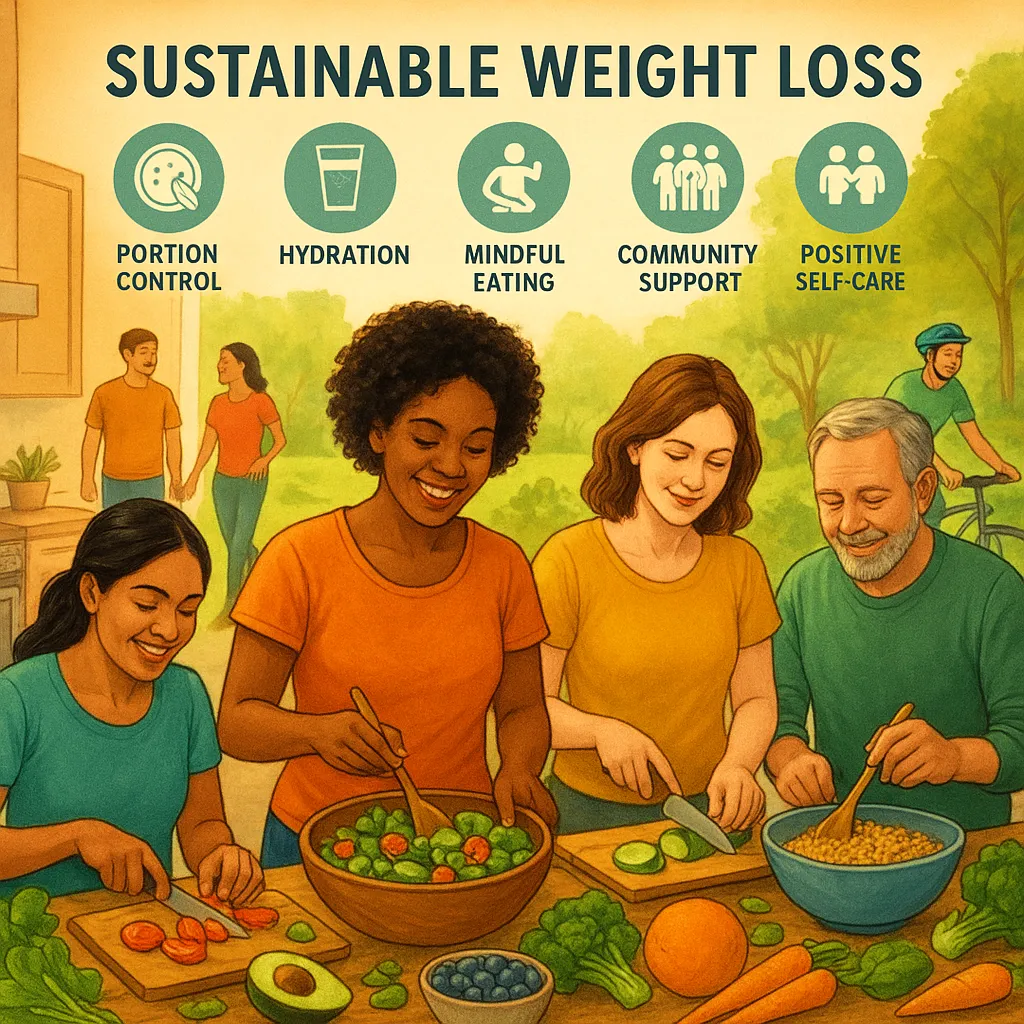
A balanced, nutritious diet is central to lasting weight loss. Consider these evidence-based approaches:
– **Increase Intake of Whole Foods**: Prioritize fruits, vegetables, whole grains, lean proteins, and healthy fats.
– **Control Portions**: Learn appropriate portion sizes to prevent overeating.
– **Reduce Added Sugars and Processed Foods**: Limit foods high in sugar, refined carbs, and saturated fat.
– **Eat Mindfully**: Savor food, eat slowly, and listen to hunger and fullness cues.
– **Consistency Over Perfection**: Establish eating habits you can maintain, allowing for flexibility.
Example Table: Calorie Dense vs. Nutrient Dense Foods
| Food Type | Examples | Benefit for Weight Loss |
|———————|———————————|———————————–|
| Calorie Dense | Chips, candy, fried foods | Easy to overeat, low satiety |
| Nutrient Dense | Leafy greens, chicken breast | High satiety, supports metabolism |
—
2. What Role Does Physical Activity Play in Losing Weight Sustainably?
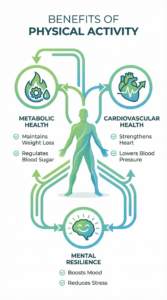
Physical activity is an essential component of energy balance and weight regulation. Effective strategies include:
– **Aim for 150-300 Minutes Weekly**: The CDC recommends at least 150 minutes of moderate aerobic activity per week.
– **Incorporate Strength Training**: Muscle building supports metabolism and body composition.
– **Find Enjoyable Activities**: Walking, cycling, swimming, and dancing make it easier to stay consistent.
– **Increase Daily Movement**: Choose stairs over elevators, walk or cycle for short distances.
Definition Box: What Is NEAT?
**NEAT (Non-Exercise Activity Thermogenesis):**
This refers to the calories burned from everyday activities (e.g., walking, cleaning), which significantly contributes to overall calorie expenditure.
—
3. Are Behavioral and Psychological Strategies Important for Sustainable Weight Loss?
Yes, mindset and habits are critical. Strategies include:
– **Set Realistic, Specific Goals**: Break weight loss into attainable steps.
– **Track Progress**: Use journals or apps to log meals, exercise, and emotions.
– **Build a Support System**: Friends, family, or weight loss groups enhance accountability.
– **Address Emotional Eating**: Identify triggers and learn coping strategies.
– **Practice Self-Compassion**: Accept setbacks as part of the process.
—
4. How Can You Maintain Motivation and Prevent Weight Regain?
Staying motivated long-term can be challenging. Techniques include:
– **Celebrate Non-Scale Victories**: Notice improvements in energy, sleep, or confidence.
– **Update Goals Regularly**: Adapt milestones as you progress.
– **Plan for Relapses**: Prepare strategies for holidays or stressful periods.
– **Seek Professional Help**: Nutritionists, therapists, and fitness coaches offer personalized guidance.
—
5. What Is the Importance of Sleep and Stress Management in Weight Loss?
Sleep and stress directly influence hormones regulating appetite, metabolism, and cravings:
– **Get 7–9 Hours of Quality Sleep**: Insufficient sleep increases hunger hormones (ghrelin) and decreases satiety hormones (leptin).
– **Manage Stress**: Chronic stress elevates cortisol, which is linked to increased belly fat and cravings.
– **Use Relaxation Techniques**: Meditation, yoga, or deep breathing can help.
—
Related Concepts in Sustainable Weight Loss
– **Energy Balance**: Calories consumed vs. calories expended
– **Macronutrient Ratios**: The proportions of protein, fat, and carbohydrates
– **Individualization**: Tailoring plans to genetics, preferences, and medical needs
– **Medical Supervision**: Involvement of health professionals for underlying health conditions
—
Table: Sustainable Weight Loss Strategies at a Glance
| Strategy | Key Actions | Related Entities |
|———————————-|——————————————————–|——————————-|
| Balanced Diet | Whole foods, mindful eating, portion control | Nutrition, Dietitians |
| Regular Physical Activity | Aerobic, strength, daily movement | Exercise, Fitness Trainers |
| Behavioral Adjustments | Goal setting, self-monitoring, support networks | Health Coaches, Therapists |
| Sleep and Stress Management | Sleep hygiene, relaxation practices | Sleep Medicine, Psychology |
| Ongoing Support and Accountability| Social groups, professional help | Support Groups, Healthcare |
—
Question Variations: How Else Do People Ask About Sustainable Weight Loss?
– What works best for long-term weight loss?
– How can I lose weight and keep it off?
– What are the most reliable ways to maintain weight loss?
– What habits support ongoing weight management?
– Which lifestyle changes help achieve lasting results?
—
FAQs: Sustainable Weight Loss
1. Can quick weight loss methods be sustainable?
No, rapid weight loss approaches, such as crash diets or extreme restrictions, often lead to muscle loss, nutritional deficiencies, and rebound weight gain. Sustainable weight loss relies on gradual, consistent changes.
2. Is calorie counting necessary for everyone?
Not always. While calorie awareness can help, focusing on food quality, hunger cues, and portion control also supports weight loss without strict calorie tracking.
3. How important is exercise compared to diet?
Both are crucial. Diet is typically more influential in creating a calorie deficit, but exercise is vital for maintaining muscle, metabolic health, and preventing regain.
4. What role does metabolism play in weight loss?
Individual metabolism affects calorie needs. Factors like genetics, age, muscle mass, and physical activity influence how efficiently your body burns calories.
5. How do support systems help in weight management?
Support from friends, family, or groups provides motivation, accountability, and shared experiences, increasing the likelihood of sustained behavior change.
6. Are there any medications or medical procedures for sustainable weight loss?
Certain medications or bariatric surgery may be prescribed for individuals with obesity and related health risks. These should be considered alongside lifestyle changes and under medical supervision.
7. What should I do if I hit a weight loss plateau?
Plateaus are common. Adjust your routine by changing your calorie intake, increasing physical activity, reviewing sleep and stress, and consulting a health professional if necessary.
—
Summary: The Road to Sustainable Weight Loss
Achieving and maintaining weight loss is a multifaceted process that requires dietary changes, increased physical activity, behavioral adjustments, and support systems. Focusing on habit-building, patience, and self-care leads to lasting results. Remember, every journey is unique—small, consistent steps yield sustainable success.
“`