What Are the Most Effective Strategies for Achieving Sustainable Weight Loss?
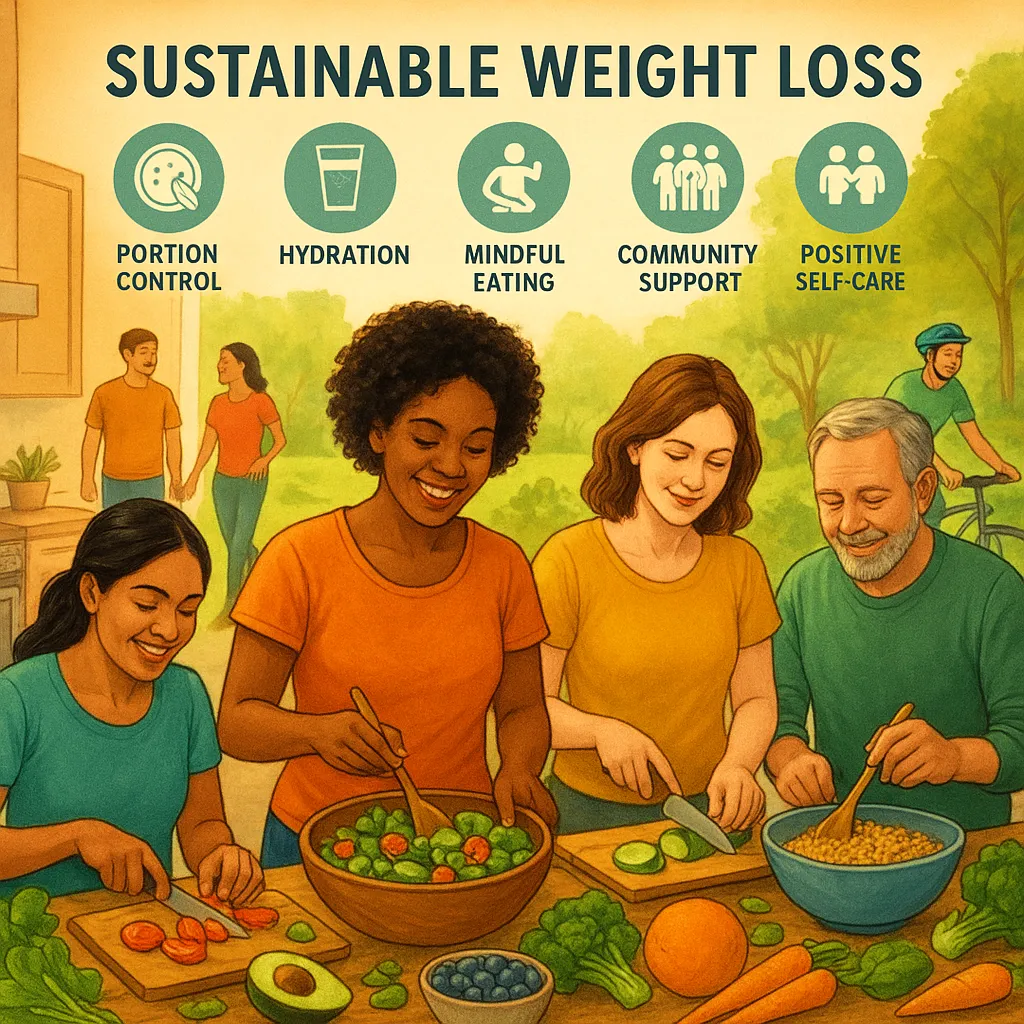
The most effective strategies for achieving sustainable weight loss focus on creating lasting lifestyle changes by balancing healthy eating, regular physical activity, and mindful habits. Approaches built around gradual, realistic goals and behavior modification consistently yield long-term success, rather than quick fixes or restrictive diets.
—
**What Does “Sustainable Weight Loss” Really Mean?**
> **Sustainable weight loss** refers to losing excess body fat and maintaining a healthier weight over time through consistent, realistic, and healthy habits, rather than extreme or temporary changes.
—
How Can You Achieve and Maintain Long-Term Weight Loss?
**To promote lasting weight management:**
– Focus on gradual changes
– Prioritize balanced nutrition
– Incorporate physical activity
– Address emotional and behavioral habits
Let’s break down the most effective, evidence-based strategies.
—
What Are the Pillars of Sustainable Weight Loss?
1. **Adopt A Balanced, Nutrient-Dense Diet**
A key principle is eating foods that nourish your body, help you feel satisfied, and provide essential nutrients.
Core elements include:
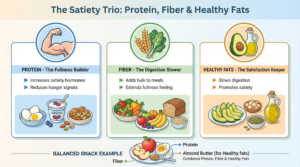
– **Whole foods:** Choose vegetables, fruits, lean proteins (e.g., chicken, fish, beans), whole grains (like quinoa, brown rice, oats), nuts, and seeds.
– **Portion control:** Pay attention to serving sizes to avoid overeating, even with healthy foods.
– **Limit processed foods:** Reduce intake of high-sugar, high-salt, and high-fat processed products (like chips, cookies, or soda).
– **Hydrate:** Drinking enough water can support metabolism and reduce unnecessary snacking.
> **Definition Box:**
> **Nutrient-Dense Foods:** Foods rich in vitamins, minerals, fiber, and other beneficial nutrients relative to their calorie content.
—
2. **Increase Physical Activity**
Physical activity helps burn calories, builds muscle, and supports metabolic health.
Recommended Strategies
– **Combine cardio and strength:** Include both aerobic exercises (e.g., walking, cycling, swimming) and resistance training (like lifting weights or bodyweight exercises).
– **Stay consistent:** Aim for at least 150 minutes of moderate-intensity activity and 2 sessions of strength training weekly, as advised by the CDC and WHO.
– **Make it enjoyable:** Choose activities you enjoy to increase adherence, such as dancing, hiking, or group fitness classes.
—
3. **Set Realistic, Achievable Goals**
Setting incremental, measurable targets helps sustain motivation and track progress.
| Example of Realistic Goals | Less Sustainable Goals |
|——————————-|——————————-|
| Lose 1-2 pounds per week | Lose 10 pounds per week |
| Exercise 3x per week | Exercise every day for 2 hours|
| Add 1 fruit daily | Eat only salad for a week |
—
4. **Monitor and Adjust Your Habits**
Self-monitoring is closely linked to long-term success.
Effective Monitoring Tools
– **Food journals or tracking apps** (e.g., MyFitnessPal, Lose It!)
– **Regular weigh-ins** (e.g., once a week)
– **Activity trackers** (e.g., Fitbit, Apple Watch)
Reflecting on progress helps identify areas for improvement and reinforce positive changes.
—
5. **Prioritize Mindful Eating and Behavior Change**
Understanding emotional triggers and developing healthier responses can prevent overeating.
Mindful Eating Tips
– **Eat without distractions:** Focus on your meal rather than TV or devices.
– **Tune in to hunger cues:** Eat when hungry, stop when satisfied.
– **Plan ahead:** Prepare healthy meals and snacks to reduce impulsive choices.
—
6. **Build a Support Network**
Social support from friends, family, or professional groups (e.g., Weight Watchers, registered dietitians) fosters accountability and encouragement.
—
7. **Develop Coping Strategies for Setbacks**
Recognize weight loss is not linear; lapses are normal. Prepare by having a plan to return to healthy habits after setbacks.
—
What Are the Most Common Questions About Sustainable Weight Loss?
**FAQ: Sustainable Weight Loss Strategies**
1. **How quickly should I expect to lose weight sustainably?**
For most people, a loss of 0.5 to 2 pounds per week is considered healthy and sustainable. Rapid weight loss often leads to muscle loss and rebound weight gain.
2. **Do I need to count calories or avoid certain foods completely?**
Calorie awareness is helpful, but extreme restriction is not necessary. Moderation and balance are more effective and sustainable than elimination diets.
3. **Can I lose weight without exercise?**
It is possible to lose weight through dietary changes alone, but combining healthy eating with physical activity improves results and overall health.
4. **What should I do if I hit a weight loss plateau?**
Plateaus are common. Re-assess your food intake and activity levels, mix up your exercise routine, and focus on consistency rather than perfection.
5. **Are weight loss medications or surgery good options?**
These options may help in some cases, especially for obesity-related health concerns, but they should be used under medical supervision alongside lifestyle changes.
6. **How important is sleep in weight management?**
Adequate sleep (7-9 hours per night) supports hunger hormone balance and metabolism, making it an underappreciated factor in weight regulation.
7. **How do I stay motivated when progress is slow?**
Setting mini-goals, celebrating non-scale victories (like improved energy or fitness), and seeking support keeps motivation high during slower phases.
—
How Do These Strategies Fit Together for Long-Term Success?
Sustainable weight loss is not about one “magic” diet or exercise plan; it’s about integrating healthy behaviors across nutrition, activity, mindset, and support systems. These strategies leverage the connection between physical health, emotional resilience, and sustainable change. For lasting results, focus on consistency, flexibility, and personal enjoyment—your habits should adapt to your lifestyle, not the other way around.
—
**Summary Table: Key Entities and Concepts in Sustainable Weight Loss**
| Entity / Concept | Role in Sustainable Weight Loss |
|———————|——————————————————–|
| Balanced Diet | Provides necessary nutrients and controls calories |
| Physical Activity | Burns calories, builds muscle, supports metabolism |
| Behavior Change | Supports new habits and addresses emotional eating |
| Social Support | Improves accountability and motivation |
| Self-Monitoring | Enhances awareness and promotes healthy adjustments |
| Medical Supervision | Ensures safety for medications/surgical interventions |
| Mindful Eating | Reduces overeating and promotes better choices |
—
Related Questions – Variations People Also Ask
**What is the most successful long-term weight loss approach?**
Behavior-based programs that integrate healthy eating, regular activity, education, and support are most successful for long-term weight maintenance.
**Are crash diets effective for keeping weight off?**
Crash diets may produce rapid short-term loss, but most people regain weight quickly, making them ineffective for long-term results.
**How do nutrition and exercise work together for weight loss?**
Nutritional changes control calorie intake, while exercise increases calorie expenditure; together, they help maintain muscle mass and a healthy metabolism.
**Are there psychological strategies for sustainable weight loss?**
Cognitive-behavioral techniques, such as setting goals, self-monitoring, and tackling triggers, bolster long-term adherence and resilience.
—
Final Thoughts: The Essence of Sustainable Weight Loss
Sustainable weight loss is a journey requiring patience, adaptability, and self-compassion. The most effective strategies center on balanced nutrition, consistent activity, and healthy mindset shifts, supported by monitoring and social connections. By making realistic changes and embracing setbacks as learning opportunities, anyone can achieve and maintain a healthy weight for life.
“`