What are the most effective strategies for achieving sustainable weight loss?
The most effective strategies for sustainable weight loss focus on creating healthy habits: combining a balanced, calorie-controlled diet with regular physical activity and behavioral changes. Long-term success relies on consistency, gradual progress, and addressing both physical and psychological aspects of weight management.
—
What does “sustainable weight loss” mean?
**Definition Box:**
> **Sustainable weight loss** refers to losing excess weight at a safe, steady pace and maintaining the results long-term through lasting lifestyle changes, rather than quick fixes or temporary diets.
—
Why is sustainability important in weight loss strategies?
Sustainability ensures that weight loss is not just temporary, but achievable and maintainable over the years. Quick fixes may offer rapid results, but they often lead to weight regain. Sustainable strategies focus on underlying habits and behaviors, making it more likely that healthy weight is maintained.
—
What are the most effective strategies for sustainable weight loss?
Below is a breakdown of proven, science-backed approaches:
1. Balanced, Calorie-Controlled Diet
– **Eat Whole Foods:** Prioritize fruits, vegetables, whole grains, lean proteins, and healthy fats.
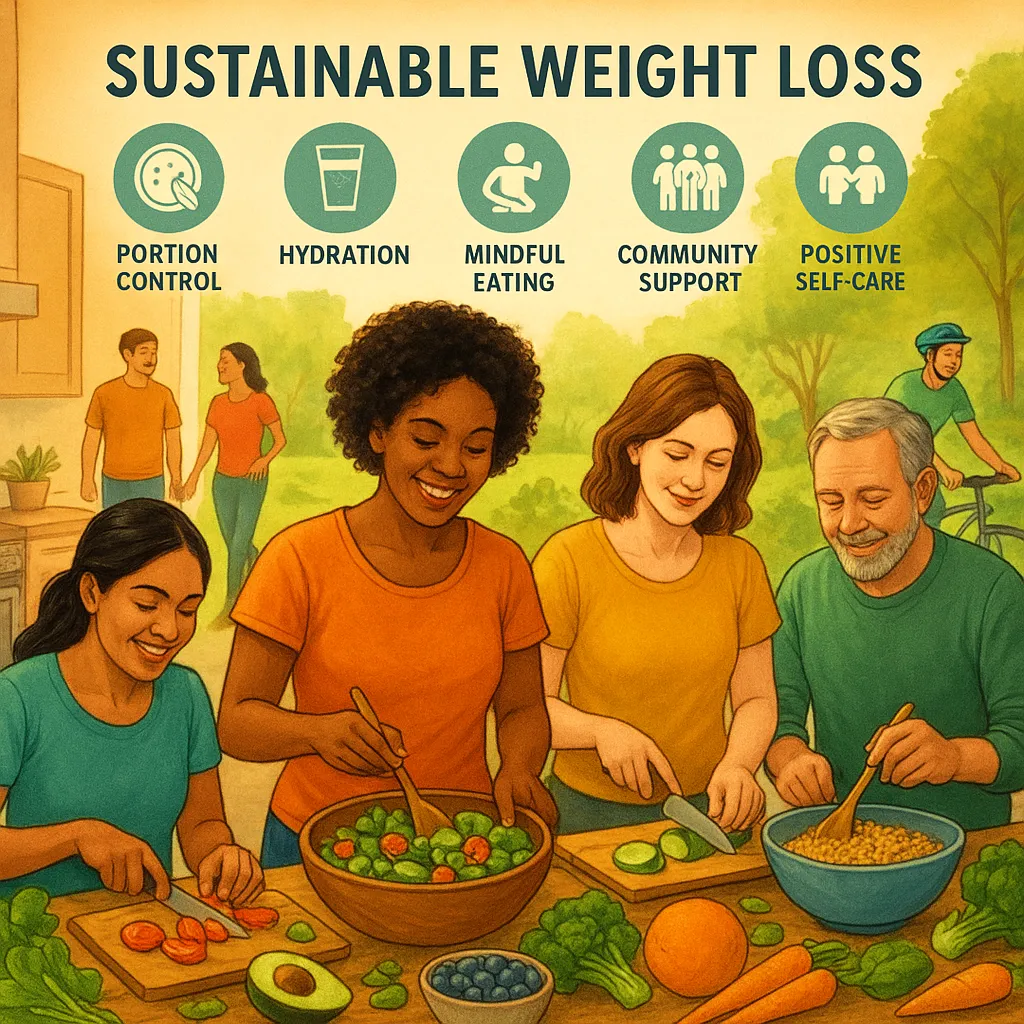
– **Portion Control:** Be mindful of serving sizes to avoid overeating, even with healthy foods.
– **Reduce Processed Foods:** Minimize added sugars, refined grains, and unhealthy fats.
– **Consistent Meal Patterns:** Avoid skipping meals and excessive snacking.
– **Flexible, Not Restrictive:** Allow occasional treats to prevent the feeling of deprivation.
2. Regular Physical Activity
– **Moderate Aerobic Activity:** Aim for at least 150 minutes per week, such as brisk walking or cycling.
– **Strength Training:** Include resistance exercises 2–3 times a week to build muscle, which boosts metabolism.
– **Incorporate Activity into Routine:** Take stairs, walk more, or stand while working.
3. Behavior Modification
– **Set Realistic Goals:** Focus on achieving 0.5–2 pounds of weight loss per week.
– **Self-Monitoring:** Track food and activity using journals or apps like MyFitnessPal.
– **Build Support Systems:** Engage friends, family, or support groups for accountability.
– **Identify Triggers:** Recognize emotional or situational eating and develop alternative coping strategies.
– **Celebrate Progress:** Reward non-scale victories (e.g., improved energy or sleep) instead of focusing solely on the scale.
4. Adequate Sleep and Stress Management
– **Get Sufficient Sleep:** Aim for 7–9 hours per night, as poor sleep may disrupt hunger hormones.
– **Manage Stress:** Practice stress-reducing activities like yoga, meditation, or deep breathing to prevent stress-eating.
5. Personalized and Adaptive Approach
– **Individualization:** Consider personal preferences, medical history, and lifestyle.
– **Regular Review:** Adjust strategies as needed based on progress and feedback.
—
Table: Sustainable vs. Unsustainable Weight Loss Methods
| Strategy Type | Description | Sustainability Level |
|————————–|———————————————————-|———————|
| Whole-foods diet | Focus on unprocessed foods and balanced nutrition | High |
| Fad diets (e.g., detox) | Extreme restriction or single food groups | Low |
| Gradual exercise increase| Slowly increasing physical activity | High |
| Excessive exercise | Unsustainable, high-intensity workouts | Low |
| Behavioral changes | Addressing habits & mindset | High |
| Diet pills/quick fixes | Reliance on supplements or gimmicks | Low |
—
Is there a “best diet” for sustainable weight loss?
No single diet is perfect for everyone. Effective plans—like the Mediterranean, DASH, or plant-based diets—emphasize whole, minimally processed foods, balance, and portion control. The best diet is one you can enjoy and stick with for life.
—
How can you stay motivated during the weight loss journey?
Motivation ebbs and flows. Strategies to stay engaged include:
– Setting short-term and long-term goals.
– Celebrating small achievements.
– Tracking progress in multiple ways (measurements, how clothes fit, energy levels).
– Finding a workout buddy or accountability partner.
– Reminding yourself of non-weight benefits (e.g., better mood, reduced risk of chronic disease).
—
Common Question Variations
– What are the keys to long-lasting weight loss?
– Building sustainable eating and exercise habits, and making gradual lifestyle upgrades rather than seeking quick results.
– How do you lose weight and keep it off?
– Through steady, realistic changes to diet and activity, consistent self-monitoring, and learning to adjust as life changes.
– What healthy habits help with long-term weight control?
– Mindful eating, regular movement, quality sleep, and stress management all contribute.
—
How do sleep and stress impact weight loss?
Research shows that lack of sleep disrupts hormones (like ghrelin and leptin) that control appetite, making overeating more likely. Chronic stress raises cortisol, which can increase cravings and fat storage. Prioritizing rest and managing stress are key supporting habits for sustainable results.
—
Sustainable Weight Loss Myths and Facts
**Myth:** Cutting out entire food groups is necessary.
**Fact:** Balanced diets that include all food groups are easier to maintain and healthier.
**Myth:** You must exercise intensely every day.
**Fact:** Moderate, consistent activity is more effective and safer long-term.
**Myth:** Supplements and detox teas lead to lasting results.
**Fact:** There is little scientific support, and most quick fixes are unsustainable.
—
Related Entities and Concepts
– **Calorie Deficit:** Consuming fewer calories than you burn.
– **Metabolism:** The body’s process for converting food into energy.
– **Mindful Eating:** Paying attention to hunger, fullness, and enjoyment of food.
– **Support Systems:** Friends, family, fitness communities, and healthcare professionals.
– **Prevention of Weight Regain:** Ongoing monitoring, personal adaptation, and healthy habits.
—
Structured Tips For Sustainable Weight Loss
H2: What are some quick, actionable tips for success?
H3: Quick List
– Drink water before meals.
– Fill half your plate with vegetables.
– Schedule workouts like appointments.
– Keep healthy snacks visible, unhealthy ones out of sight.
– Practice mindful, slow eating.
– Plan meals and grocery lists ahead of time.
—
Frequently Asked Questions (FAQ)
1. Can I achieve sustainable weight loss without exercise?
While diet plays a larger role in weight loss, regular physical activity is important for maintaining weight loss and overall health.
2. What role does metabolism play in weight loss?
Metabolism affects how many calories your body burns at rest. While you can’t drastically change it, building muscle and staying active can help slightly boost metabolic rate.
3. Is it okay to indulge occasionally while losing weight sustainably?
Yes! Occasional treats can actually help you stick to your plan long-term by preventing feelings of restriction.
4. How quickly should I aim to lose weight for lasting results?
A safe, sustainable rate is around 0.5–2 pounds per week. Losing weight faster can lead to muscle loss and rebound weight gain.
5. Why have I hit a weight loss plateau, and how do I get past it?
Plateaus are common as your body adapts. Reassess your calorie intake, increase activity, and continue self-monitoring to break through.
6. Are weight loss apps and trackers helpful?
Yes, self-monitoring through apps or journals can improve awareness and accountability, making sustainable weight loss more likely.
7. When should I seek professional help?
Consult a healthcare provider if you have underlying health issues, significant weight to lose, or need support with emotional eating or complex barriers.
—
Summary
Sustainable weight loss is about making realistic, enduring changes to diet, activity, and behavior. By focusing on balanced nutrition, consistent physical activity, awareness, and self-care, you can lose weight in a healthy way and maintain it. Remember, lasting results come from small, steady steps rather than drastic measures.
—
“`