What Are the Most Effective Strategies for Achieving Sustainable Weight Loss?
The most effective strategies for achieving sustainable weight loss are adopting a balanced diet, increasing physical activity, and making long-term lifestyle changes that support healthy habits. Combining these approaches helps you lose weight gradually and keep it off, rather than relying on quick fixes or restrictive diets.
—
What Does “Sustainable Weight Loss” Mean?
> **Definition:**
> *Sustainable weight loss* refers to losing weight at a steady, healthy rate—usually 0.5 to 2 pounds per week—through lasting behavioral changes, rather than temporary diets or extreme exercise plans.
—
Why Is Sustainable Weight Loss Important?
Sustainable weight loss ensures you lose body fat rather than just water weight or muscle, reducing the risk of regaining pounds later. It supports better metabolic health and helps prevent chronic diseases like type 2 diabetes, heart disease, and hypertension.
—
How Can You Achieve Sustainable Weight Loss?
Let’s break down the core strategies based on expert recommendations:
What Are the Best Dietary Strategies for Sustainable Weight Loss?
– **Focus on Whole Foods:** Choose whole grains, lean proteins (like chicken, fish, beans), fruits, vegetables, and healthy fats (such as olive oil, avocados, and nuts).
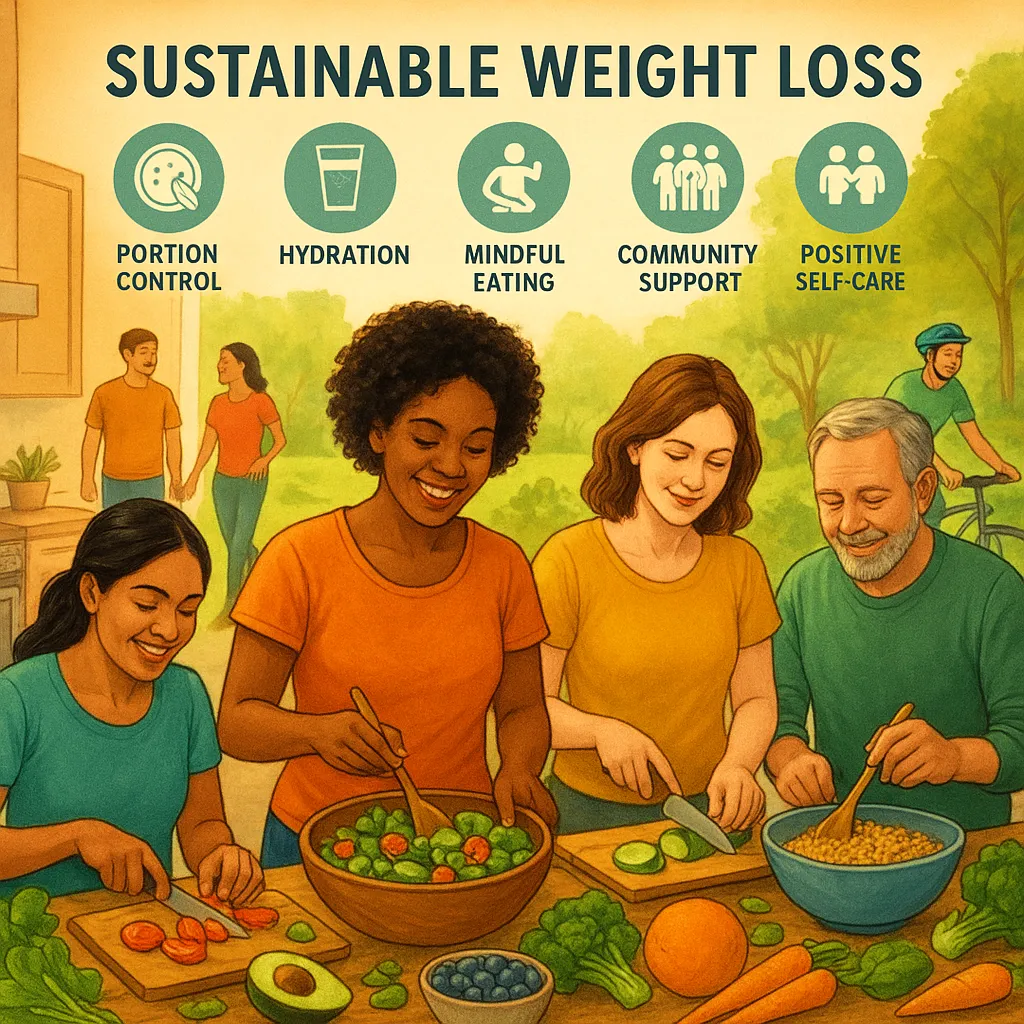
– **Practice Portion Control:** Use smaller plates and measure servings to avoid overeating.
– **Mindful Eating:** Eat slowly, listen to hunger cues, and avoid distractions like screens during meals.
– **Reduce Added Sugars and Processed Foods:** Limit sugary drinks, snacks, and processed meals that are calorie-dense but nutritionally poor.
– **Stay Hydrated:** Drinking water before meals can help control appetite.
—
What Role Does Physical Activity Play in Sustainable Weight Loss?
– **Regular Movement is Key:** Aim for at least 150 minutes of moderate-intensity aerobic exercise (like brisk walking or cycling) per week, as recommended by health entities such as the CDC and WHO.
– **Incorporate Strength Training:** Build muscle with resistance exercises 2-3 times per week. Muscle burns more calories at rest.
– **Increase Daily Activity:** Simple actions like walking, taking stairs, or doing household chores add up.
—
What Lifestyle Changes Support Long-Term Weight Loss?
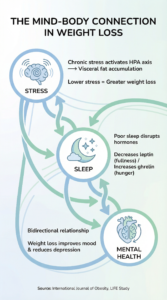
– **Get Enough Sleep:** Poor sleep is linked to increased hunger and cravings.
– **Manage Stress:** High stress can lead to emotional eating. Mindfulness, journaling, or therapy can help.
– **Create a Support System:** Share goals with friends, family, or support groups for accountability.
– **Track Progress:** Use a journal or health apps to monitor food intake, exercise, and weight trends.
—
Table: Key Strategies for Sustainable Weight Loss
| Strategy | Examples and Tips | Related Entities/Concepts |
|———————|————————————————|————————————|
| Balanced Diet | Whole foods, portion control, mindful eating | Mediterranean diet, Plant-based, Macronutrients |
| Physical Activity | Aerobic exercise, strength training, daily steps| CDC, WHO, Exercise, Muscle Mass |
| Lifestyle Changes | Sleep hygiene, stress reduction, social support| Cognitive Behavioral Therapy (CBT), Mindfulness |
| Progress Tracking | Journals, mobile apps, wearable devices | MyFitnessPal, Fitbit, Apple Health |
—
What Are the Psychological Aspects of Weight Loss?
Many people ask: *How do I stay motivated to lose weight?* or *How do I deal with setbacks?*
– **Set Realistic Goals:** Start with small, achievable targets.
– **Celebrate Milestones:** Reward yourself (not with food) for meeting goals.
– **Learn from Setbacks:** See slip-ups as learning opportunities, not failures.
– **Seek Professional Help:** Dietitians, therapists, or health coaches can provide expert guidance.
—
Comparing Sustainable vs. Unsustainable Weight Loss Methods
| Method Type | Examples | Long-term Success Rate | Health Impact |
|————————–|—————————–|———————–|————————-|
| Sustainable Approaches | Balanced diet + exercise | High | Healthy, low risk |
| Unsustainable Approaches | Crash diets, diet pills | Low | Nutrient deficiencies, rebound weight gain |
—
What Are Common Pitfalls to Avoid?
– **Quick-Fix Diets:** Often lead to yo-yo dieting and nutrient deficiencies.
– **All-or-Nothing Mindset:** Perfection is not required; small, consistent changes matter.
– **Neglecting Non-Diet Factors:** Ignoring sleep, stress, or emotional health can stall progress.
—
How Long Does It Take to See Results?
Most healthy weight loss programs show visible results within a few weeks, with significant changes in 3-6 months. Remember, sustainable progress is steady — the goal is lifelong health, not just immediate results.
—
Frequently Asked Questions (FAQ)
1. How quickly can I lose weight and keep it off?
A healthy, sustainable goal is to lose about 0.5 to 2 pounds (0.2 to 0.9 kg) per week, according to experts like the CDC. Rapid weight loss is hard to maintain and may be unsafe.
2. Do I need to count calories to succeed?
Counting calories can help some people understand portions and intake, but focusing on food quality, mindful eating, and hunger cues is often more sustainable long-term.
3. Which diet is best for long-term weight loss?
There’s no one-size-fits-all diet. The Mediterranean and DASH diets are both evidence-based for long-term health and weight management.
4. What should I do if my weight plateaus?
Plateaus are normal. Try changing up your exercise routine, reassess your portions, make sure you’re getting enough sleep, and manage stress.
5. How important is exercise vs. diet?
Both are important. Diet has a bigger impact on initial weight loss, while regular physical activity is vital for keeping the weight off.
6. Can I achieve sustainable weight loss without cutting out my favorite foods?
Yes! The key is moderation. Enjoying treats occasionally within a balanced overall diet helps with adherence and prevents feelings of deprivation.
7. Is professional support necessary for sustainable weight loss?
While not required, working with a registered dietitian, behavioral therapist, or joining a group program improves your chances of lasting success.
—
Key Takeaways and Next Steps
– Sustainable weight loss is rooted in healthy habits, not quick fixes.
– Focus on balanced nutrition, regular physical activity, and supportive lifestyle changes.
– Address mental and emotional aspects for lasting results.
– Progress can be slow, but small, consistent changes add up over time.
– Consider consulting healthcare professionals or registered dietitians for personalized advice.
**Remember:** Successful, sustainable weight loss is a marathon, not a sprint. Building habits that work for your life is the real key to keeping weight off for good.
—
“`