What Are the Best Strategies for Achieving Sustainable Weight Loss Without Extreme Dieting?
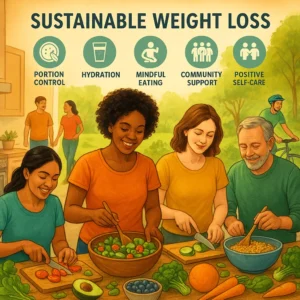
The best strategies for sustainable weight loss focus on gradual, long-term lifestyle changes rather than extreme diets. By adopting healthy eating patterns, staying physically active, and building positive habits, you can lose weight safely and sustain your success without drastic restrictions.
—
What Does “Sustainable Weight Loss” Mean?
> **Definition:**
> **Sustainable weight loss** refers to losing body weight at a steady, healthy pace and maintaining the results over time, without relying on extreme diets or short-term fixes.
—
Why Avoid Extreme Dieting for Weight Loss?
Extreme or fad diets often promise quick results but are difficult to maintain and may cause nutritional deficiencies, muscle loss, and metabolic slowdown. Instead, evidence-based strategies build lasting habits and improve overall health.
—
What Are the Best Proven Strategies for Sustainable Weight Loss?
Here are the top sustainable weight loss strategies, grounded in nutrition science and behavioral psychology:
1. Emphasize Balanced, Whole Foods
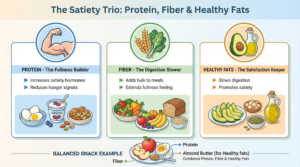
– Focus on whole grains, lean proteins (e.g., chicken, fish, beans), healthy fats (e.g., nuts, olive oil), fruits, and vegetables.
– Limit processed foods and added sugars, which contribute empty calories.
2. Practice Portion Control
– Use smaller plates and consciously serve moderate portions.
– Listen to hunger and fullness cues to prevent overeating.
3. Include Regular Physical Activity
– Aim for at least 150 minutes of moderate exercise per week (e.g., brisk walking, cycling).
– Add strength training for muscle maintenance and metabolism support.
4. Set Realistic, Achievable Goals
– Break your weight loss journey into small milestones (e.g., 1–2 pounds per week).
– Celebrate progress to stay motivated.
5. Prioritize Mindful Eating
– Eat slowly and savor your meals without distractions like TV or smartphones.
– Pay attention to emotional eating triggers and find healthy coping mechanisms.
6. Plan and Prepare Meals
– Cook most meals at home to control ingredients and portions.
– Prep ingredients or full meals ahead of time to avoid last-minute temptations.
7. Get Support and Accountability
– Seek encouragement from friends, family, or support groups.
– Consider working with a registered dietitian or wellness coach.
—
Quick Comparison: Extreme Diets vs. Sustainable Strategies
| Aspect | Extreme Dieting | Sustainable Strategies |
|————————–|—————————————|—————————————–|
| Approach | Severe restriction, elimination | Gradual, inclusive, flexible |
| Long-term Success | Low, often temporary | High, maintains weight loss |
| Health Impact | Potentially harmful | Health-promoting |
| Relationship with Food | Restrictive, stressful | Balanced, positive |
| Nutritional Adequacy | Frequently lacking | Meets nutritional needs |
| Psychological Impact | Guilt, frustration, rebound eating | Empowerment, enjoyment |
—
What Lifestyle Changes Support Lasting Weight Loss?
Sustainable weight loss is about more than food and exercise. Consider these additional lifestyle factors:
How Does Sleep Affect Weight Loss?
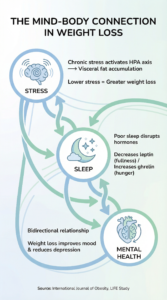
Adequate sleep (7–9 hours/night) helps regulate appetite hormones and reduces cravings for high-calorie foods.
Why Is Stress Management Important?
Chronic stress can increase cortisol, driving hunger and fat storage. Mindfulness, yoga, or talking with a counselor can help.
What Role Does Hydration Play?
Drinking sufficient water helps control appetite, supports metabolism, and may prevent mistaking thirst for hunger.
—
Common Ways People Ask This Question
– “How can I lose weight and keep it off without going on a crash diet?”
– “What is the healthiest way to lose weight steadily?”
– “How do I drop pounds without giving up entire food groups?”
– “Are there weight loss methods that don’t require severe calorie cutting?”
—
How To Personalize Your Weight Loss Plan?
Not every strategy works for everyone, so consider your preferences, lifestyle, culture, and medical needs. The best approach is realistic, enjoyable, and fits into your daily life.
Steps to build a personalized plan:
1. **Assess Current Habits**: Keep a food and activity journal for a week.
2. **Set SMART Goals**: Goals should be Specific, Measurable, Achievable, Relevant, and Time-bound.
3. **Identify Barriers**: Recognize challenges (e.g., busy schedule, social eating) and brainstorm solutions.
4. **Make Gradual Changes**: Tackle one or two habits at a time to avoid overwhelm.
5. **Evaluate and Adjust**: Track progress, celebrate successes, and adapt as needed.
—
Related Concepts and Entities
– **Calorie Deficit**: Burning more calories than you consume, achieved through diet, exercise, or both.
– **Diet Quality**: Emphasizes nutrient density, variety, and balance.
– **Habit Formation**: Using cues and routines to build lasting behaviors.
– **Registered Dietitian Nutritionist (RDN)**: Professional support for nutrition guidance.
– **Behavioral Modification**: Techniques to change eating and lifestyle patterns.
—
Frequently Asked Questions (FAQ)
1. How much weight loss is considered sustainable per week?
A safe and sustainable rate is about 1–2 pounds (0.5–1 kg) per week, according to health authorities such as the CDC and Mayo Clinic.
2. Can I achieve sustainable weight loss without exercise?
While diet is the primary driver of weight loss, adding physical activity increases calorie burn, promotes health, and helps maintain lost weight.
3. Do I have to count calories to lose weight sustainably?
Counting calories can be helpful for some, but focusing on hunger cues, balanced meals, and portion sizes often works just as well for many people.
4. What if I have a slow metabolism?
Genetics and medical conditions can influence metabolism, but most people can lose weight with consistent, sustainable habits. Consult a healthcare provider if you’re struggling.
5. Are there healthy ways to manage cravings?
Yes—eat satisfying, balanced meals, stay hydrated, reduce stress, and enjoy treats in moderation rather than strict avoidance.
6. Is intermittent fasting a sustainable strategy?
For some, intermittent fasting works well if it feels natural and does not lead to overeating when breaking the fast. Choose an eating pattern you can maintain long-term.
7. What should I do if my weight loss plateaus?
Evaluate your habits, consider adjusting your calorie intake, vary your workouts, and focus on non-scale victories like improved energy or fitness.
—
Key Takeaway
Sustainable weight loss doesn’t require extreme diets. By focusing on whole foods, mindful eating, regular activity, sleep, and stress management, you can lose weight safely and maintain your results. Personalizing your approach and seeking support lead to long-lasting, positive change.
—
“`