How Can Adopting a Vegetarian Diet Support Effective and Healthy Weight Loss?
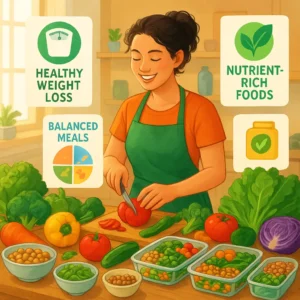
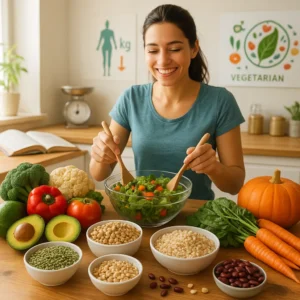
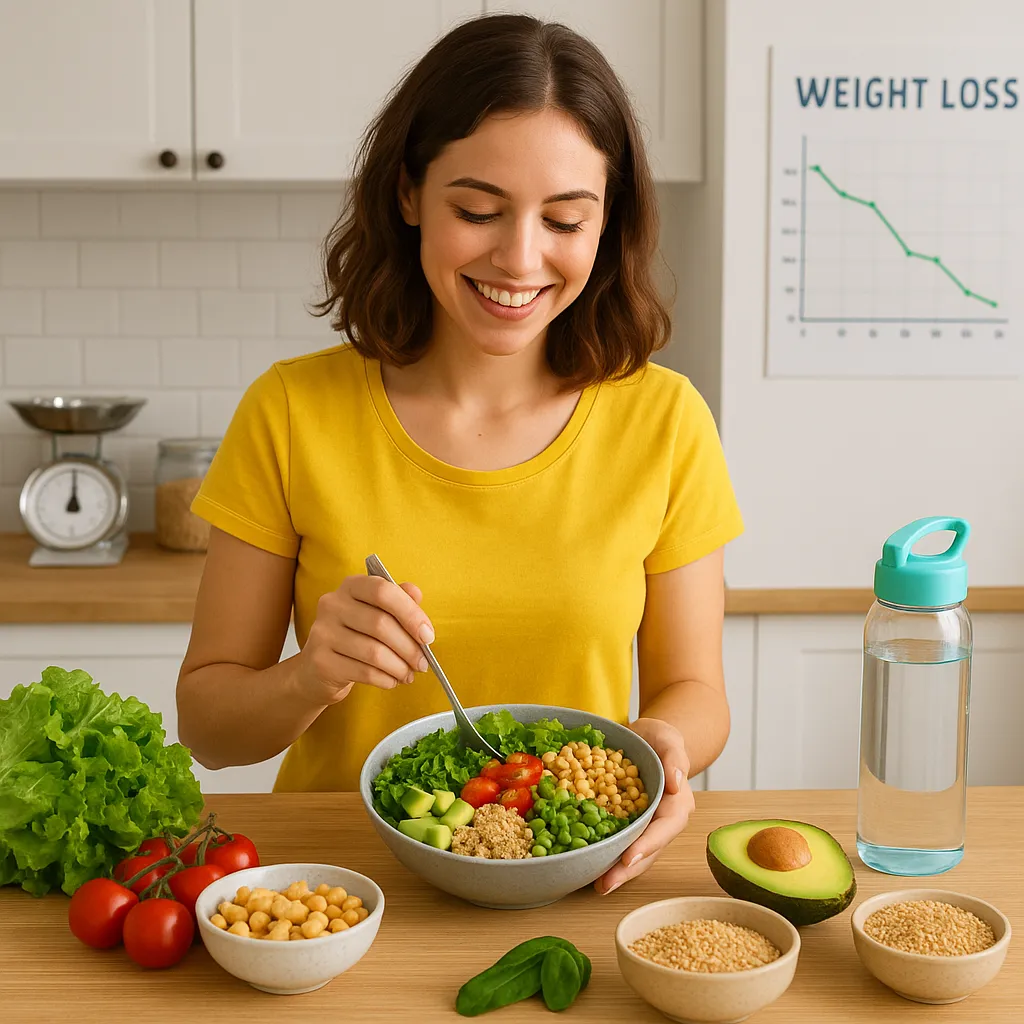
Switching to a vegetarian diet can support effective and healthy weight loss by emphasizing nutrient-dense, lower-calorie foods—such as vegetables, fruits, legumes, and whole grains—that promote satiety and reduce overall calorie intake. By naturally limiting calorie-dense animal products and favoring plant-based nutrition, a vegetarian diet encourages sustainable weight management while supporting overall health.
—
What Is a Vegetarian Diet? {Definition}
A **vegetarian diet** is a way of eating that excludes meat, poultry, and fish, but typically includes vegetables, fruits, grains, legumes, nuts, seeds, and, in many cases, dairy products and eggs. There are several types of vegetarian diets:
– **Lacto-vegetarian:** Includes dairy, but no eggs, meat, or fish.
– **Ovo-vegetarian:** Includes eggs, but no dairy, meat, or fish.
– **Lacto-ovo vegetarian:** Includes both dairy and eggs, but no meat or fish.
– **Vegan:** Excludes all animal products (no dairy, eggs, meat, or fish).
—
Why Does a Vegetarian Diet Promote Weight Loss?
Many people wonder, “Why do vegetarian diets help with losing weight?” or “How does eating plant-based assist in weight management?” Here’s how:
1. Naturally Lower in Calories
Most plant-based foods—especially vegetables, fruits, whole grains, and legumes—are lower in calories compared to animal products and processed foods. This makes it easier to maintain a calorie deficit for weight loss without feeling deprived.
2. High in Fiber
Fiber-rich foods, such as legumes, whole grains, fruits, and vegetables, increase feelings of fullness and help control appetite. This means you are likely to eat less, naturally.
3. Reduced Intake of Saturated Fat
Vegetarian diets tend to be lower in saturated oils and fats—compounds commonly found in fatty cuts of meat and full-fat dairy. Consuming less saturated fat is associated with healthier body weights and reduced health risks.
4. Greater Emphasis on Nutrient-Dense Foods
A vegetarian approach prioritizes vitamins, minerals, and antioxidants from whole, minimally processed foods, providing nutrients that support healthy metabolism and energy levels.
—
Quick Comparison: Vegetarian vs. Conventional Diets
| Aspect | Typical Vegetarian Diet | Typical Omnivorous Diet |
|————————-|——————————-|——————————-|
| Calorie Density | Lower (high fiber, water) | Higher (meat, processed foods) |
| Fiber Content | High | Moderate to low |
| Saturated Fat | Low to moderate | Moderate to high |
| Processed Foods | Less prevalent | More prevalent |
| Disease Prevention | Supports weight, heart health | Varies—higher risk with red/processed meats |
—
How Does a Vegetarian Diet Make Weight Loss Healthier?
If you’re asking, “Is it possible to lose weight in a healthy way on a vegetarian diet?”—the answer is yes! Here’s why:
– **Better Blood Sugar Control:** Plant-based diets, anchored in whole foods, help regulate blood sugar, which is essential for sustained energy and reduced cravings.
– **Improved Gut Health:** Fiber supports healthy digestion and gut bacteria—both are linked to healthier body weight.
– **Lower Inflammation:** Vegetarian diets are rich in antioxidants, reducing inflammation and possibly lowering the risk of obesity-related diseases.
– **Long-Term Sustainability:** The focus is on lifestyle change, not extreme restriction, making it easier to maintain healthy weight over time.
—
What Types of Foods Should You Eat on a Vegetarian Diet for Weight Loss?
If you’re considering going vegetarian to lose weight or just want healthier meal ideas, here’s a practical list:
Best Foods for Plant-Based Weight Loss
– **Non-starchy vegetables:** Broccoli, spinach, kale, cauliflower, peppers
– **Fruits:** Berries, apples, oranges, melons
– **Whole grains:** Brown rice, quinoa, oats, barley
– **Legumes:** Lentils, chickpeas, black beans
– **Nuts and seeds:** Walnuts, almonds, chia seeds, flaxseeds
– **Healthy fats:** Avocado, olive oil (use in moderation)
Foods to Limit or Avoid
– Highly processed vegetarian foods (e.g., vegetarian “junk food”)
– Sugary beverages and desserts
– Refined grains (white bread, pastries)
– Excess cheese or full-fat dairy (can be calorie-dense)
—
Semantic Connections: Vegetarian Diet, Weight Loss & Health
People often ask, “Does being vegetarian automatically mean you’ll lose weight?” The answer: not necessarily—it depends on food choices. Even on a vegetarian diet, high intake of processed foods, sugars, or excess calories can hinder weight loss.
However, when a vegetarian diet centers on whole, unprocessed foods, it’s closely linked to these entities and concepts:
– **Calorie deficit**: Key to weight loss, easily achieved with plant foods
– **Satiety and hunger regulation**: Improved by fiber, water content in plant foods
– **Cardiovascular health**: Supported by low-saturated fat and high-unprocessed food intake
– **Reduced chronic disease risk**: Evidence links plant-based diets to lower risk of obesity, diabetes, and heart disease
—
Common Ways People Ask This Question
– Can I lose weight on a vegetarian diet, and will it be healthy?
– What are health benefits of a vegetarian diet for weight management?
– Is plant-based eating good for losing weight?
– How can excluding meat help with weight loss?
– How do vegetarians lose weight so effectively?
– What should vegetarians eat to lose weight fast but safely?
—
Frequently Asked Questions (FAQ)
1. Can switching to a vegetarian diet help me lose belly fat?
Yes, adopting a vegetarian diet focused on whole, plant-based foods can help reduce overall body fat—including abdominal fat—by promoting a lower calorie intake and increasing dietary fiber.
2. Do vegans lose weight faster than vegetarians?
Vegans may lose weight slightly faster because their diets eliminate all animal products, which tend to be high in calories and fat; however, actual results depend on overall food quality and total calorie consumption in both diet styles.
3. Are there risks to losing weight on a vegetarian diet?
When well-planned, a vegetarian diet is generally safe and healthy for weight loss. However, it’s important to ensure adequate intake of key nutrients like protein, vitamin B12, iron, and omega-3s.
4. Does protein intake suffer on a vegetarian diet?
No—many plant foods such as beans, lentils, tofu, quinoa, nuts, and dairy (if included), provide ample protein. Diverse sources are ideal for balanced nutrition.
5. How soon can I expect to see results after going vegetarian for weight loss?
Some individuals notice weight changes within a few weeks, especially when focusing on whole foods. Rate of weight loss varies with factors like baseline weight, activity level, and calorie intake.
6. Is exercise necessary with a vegetarian diet for optimal weight loss?
While a vegetarian diet can support weight loss by itself, combining it with regular physical activity accelerates fat loss, enhances overall health, and helps maintain muscle mass.
7. Can I follow a vegetarian diet for weight loss if I have food allergies or sensitivities?
Yes! A vegetarian diet is flexible and can be customized to avoid allergens (e.g., nuts, soy, gluten). Focus on tolerated plant-based foods for safe and healthy weight management.
—
Key Takeaways {Definition Box}
– A vegetarian diet emphasizes plant-based, lower-calorie, high-fiber foods.
– It supports effective and healthy weight loss by promoting satiety, reducing calorie intake, and supporting metabolic health.
– Choosing mainly whole foods and minimizing processed options are essential for best results.
– Non-starchy vegetables, fruits, legumes, whole grains, and healthy fats should be staples.
– Diversify your sources of protein and important nutrients for a balanced approach.
—
Adopting a well-planned vegetarian diet is a science-backed, sustainable, and health-promoting choice for losing weight effectively—while also supporting long-term wellness, environmental sustainability, and disease prevention.
“`