How Does Adopting a Vegetarian Diet Impact Weight Loss and Overall Dieting Success?
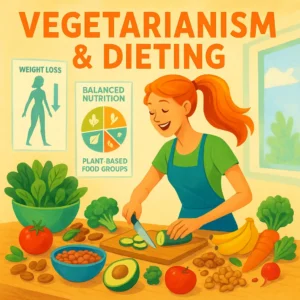
Adopting a vegetarian diet can promote weight loss and improve dieting success by emphasizing nutrient-dense, lower-calorie plant foods and reducing intake of high-calorie animal products. Research shows vegetarian eating patterns are associated with lower body mass index (BMI) and greater long-term weight management compared to omnivorous diets.
—
What Is a Vegetarian Diet?
> **Definition:**
A vegetarian diet excludes meat, poultry, and fish, but typically includes vegetables, fruits, grains, legumes, nuts, seeds, dairy, and eggs. There are several types, including lacto-ovo-vegetarian, lacto-vegetarian, and ovo-vegetarian, differing in their inclusion of eggs and dairy.
—
Why Might a Vegetarian Diet Help With Weight Loss?
Switching to a vegetarian diet for weight loss is commonly asked, with many people wondering, **“Does not eating meat help me lose weight?”** Here’s why the answer is often yes:
Key Mechanisms
– **Lower Caloric Density:** Plant-based foods are generally less calorie-dense than animal products.
– **Higher Dietary Fiber:** Increased intake of fiber from fruits, vegetables, and whole grains promotes fullness and reduces calorie intake.
– **Reduced Processed Foods:** Many vegetarians focus on minimally processed foods, lowering added sugars and unhealthy fats.
Supporting Entities
– **Fiber** (satiety, gut health)
– **Micronutrients** (vitamins, minerals)
– **Phytochemicals** (antioxidants)
—
How Does Vegetarian Dieting Compare to Other Diets for Weight Loss?
Many people ask, **“Is a vegetarian diet better for weight loss than keto or Paleo?”** Here’s a comparison:
| Diet Type | Typical Foods | Weight Loss Evidence | Notes |
|———————|——————–|————————————————–|——————————|
| Vegetarian | Plants, dairy, eggs| Linked with lower BMI, modest, gradual loss | May lack some nutrients |
| Vegan | Plants only | Often greatest reduction in BMI | Requires careful planning |
| Keto (low-carb) | Fat, protein, some veggies | Rapid loss, short-term, may regain | Restrictive, sustainability? |
| Mediterranean | Plants, fish, olive oil | Evidence for healthy weight loss | Flexible, heart healthy |
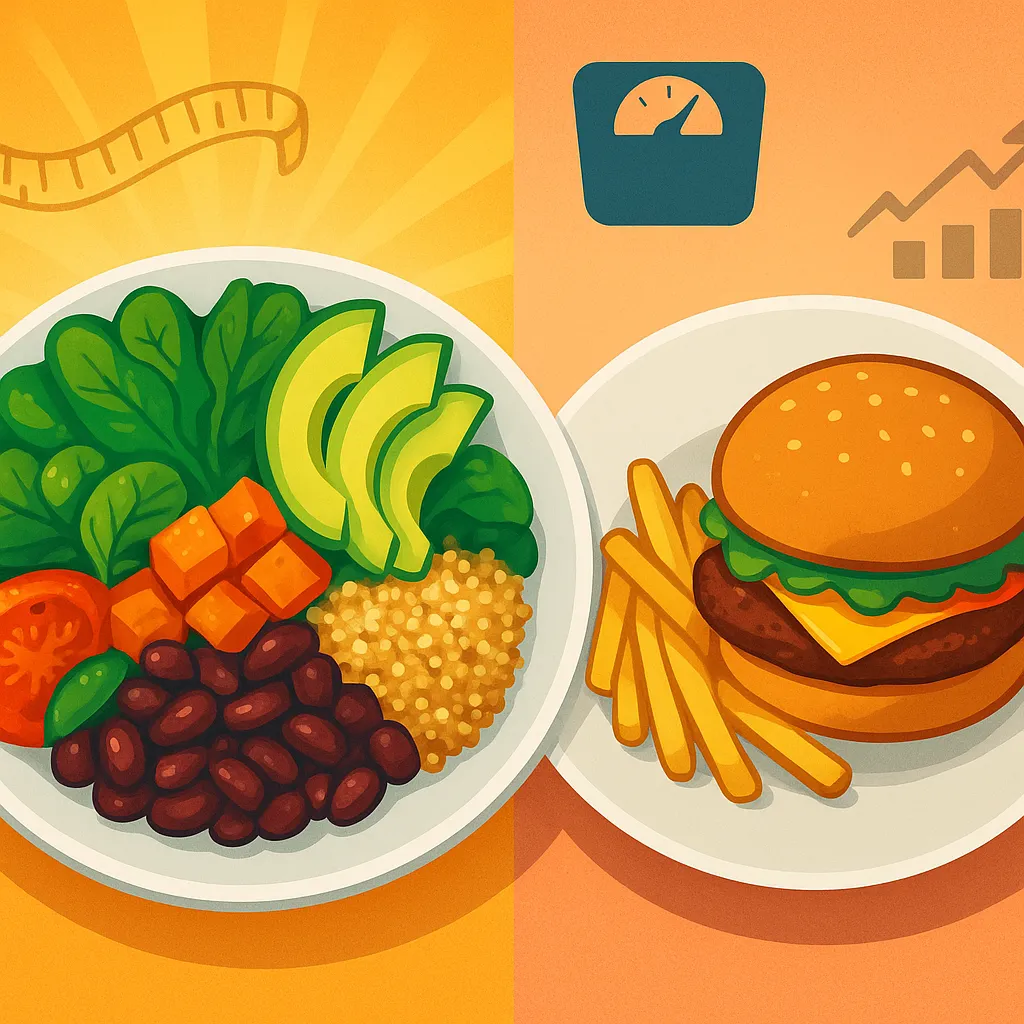
| Standard Western | Mixed, processed | Often associated with weight gain | High in sugar, fat |
—
What Are the Key Benefits and Challenges for Dieting Success?
Benefits of Going Vegetarian for Weight Loss
– **Natural Calorie Deficit:** Most vegetarian meals are lower in calories.
– **Better Appetite Control:** High fiber and water content increases fullness.
– **Improved Gut Health:** Prebiotics and plant fibers support gut microbiome.
– **Lower Risk of Chronic Diseases:** Linked to reduced risk of heart disease, diabetes.
Common Challenges
– **Potential Nutrient Shortages:** Care needed to get enough protein, vitamin B12, iron, omega-3s.
– **Social & Practical Barriers:** Eating out or with family can sometimes be harder.
– **Overdependence on Refined Carbs:** Not all plant foods are healthy; processed carbs can hinder weight loss.
—
How Can You Maximize Weight Loss on a Vegetarian Diet?
To get the most out of going vegetarian for weight loss, consider these actionable tips:
1. **Focus on Whole Foods:** Base meals around beans, legumes, whole grains, vegetables, fruits, nuts, and seeds.
2. **Watch Portion Sizes:** Calories still matter—be mindful of high-calorie plant foods like oils and nuts.
3. **Limit Processed Vegetarian Options:** “Veggie” junk foods can pack extra calories and sugar.
4. **Ensure Protein Intake:** Include eggs, dairy, legumes, tofu, or tempeh to maintain muscle and satiety.
5. **Track Your Nutrients:** Consider supplements for vitamin B12, and monitor iron and omega-3 intake.
—
What Results Can You Expect? (Evidence Summary)
Clinical studies and meta-analyses typically show:
– **Average Weight Loss:** People on vegetarian diets lost approximately 2-5 kg more over 6-12 months vs. omnivores.
– **Long-Term Success:** Higher fruit and vegetable intake is correlated with sustained weight maintenance.
– **Improved Metabolic Health:** Vegetarian diets improve blood pressure, cholesterol, and blood sugar regulation.
—
Popular Question Variations
Is a Vegetarian Diet Good for Losing Belly Fat?
Yes, a vegetarian diet can aid belly fat loss, mainly due to lower calorie and fat intake, higher fiber, and improved insulin sensitivity.
Can You Gain Weight on a Vegetarian Diet?
Yes, if you eat more calories than you burn, especially from processed carbs or fats.
Does Not Eating Meat Speed Up Weight Loss?
Not automatically—overall diet quality, total calorie intake, and activity are key.
—
What Are Some Healthy Vegetarian Weight Loss Foods?
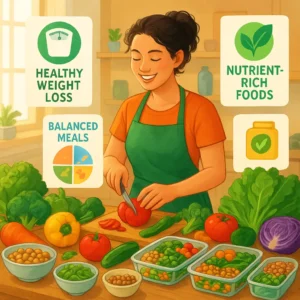
Here are some high-satiety, nutritious vegetarian foods ideal for weight loss:
– Lentils, black beans, and chickpeas
– Tofu and tempeh
– Leafy greens and cruciferous veggies
– Berries and citrus fruits
– Quinoa, oats, brown rice
– Greek yogurt (if lacto-vegetarian)
– Seeds like chia and flax
—
Risks to Consider When Dieting as a Vegetarian
While generally safe, a poorly planned vegetarian diet can lead to:
– Low protein intake, muscle loss during calorie deficits
– Deficiencies in vitamin B12, iron, calcium, omega-3
– Excess calories from cheese, oils, or processed snacks
**Tip:** Consult a registered dietitian to help with meal planning for balanced nutrition and healthy weight loss.
—
Frequently Asked Questions (FAQs)
1. Can a vegetarian diet help with weight loss faster than other diets?
Vegetarian diets generally promote gradual, sustainable weight loss. Extreme diets like keto may cause quicker initial drops, but vegetarian approaches are more sustainable long-term.
2. What nutrients should vegetarians monitor during weight loss?
Key nutrients to watch include vitamin B12, iron, zinc, calcium, omega-3 fatty acids, and protein.
3. Do vegetarians have lower BMIs than meat-eaters?
Yes, multiple studies indicate vegetarians tend to have lower BMIs and less body fat compared to omnivores.
4. Is it safe to follow a vegetarian diet for rapid weight loss?
Vegetarian diets are safe when planned properly but should not be excessively restrictive. Focus on nutrition balance, not just calorie cutting.
5. Can I build muscle and lose weight as a vegetarian?
Absolutely—incorporate high-protein plant foods (like legumes, tofu, or tempeh) and maintain strength training for muscle retention.
6. What are the best protein sources in a vegetarian diet?
Legumes, lentils, soy products (tofu, tempeh), dairy products, eggs, and quinoa are excellent protein sources for vegetarians.
7. Will quitting meat cause nutritional problems?
Not if you plan meals well and consider supplementation for key nutrients such as B12 and omega-3s.
—
Summary: Does a Vegetarian Diet Really Work for Weight Loss and Dieting Success?
Adopting a vegetarian diet can support weight loss and long-term dieting success by emphasizing whole, nutrient-rich, lower-calorie foods. However, careful planning is needed to avoid nutritional shortfalls and maximize health benefits.
—
**Related Concepts:**
Weight loss, plant-based diet, calorie deficit, nutritional adequacy, fiber, protein sources, micronutrients, gut health, vegan, Mediterranean diet.
**See Also:**
– [Plant-Based Diet and Metabolic Health](https://www.ncbi.nlm.nih.gov/pmc/articles/PMC7071223/)
– [Best Foods for Vegan and Vegetarian Weight Loss](https://www.hsph.harvard.edu/nutritionsource/healthy-weight/diet-reviews/vegetarian-diet/)
“`